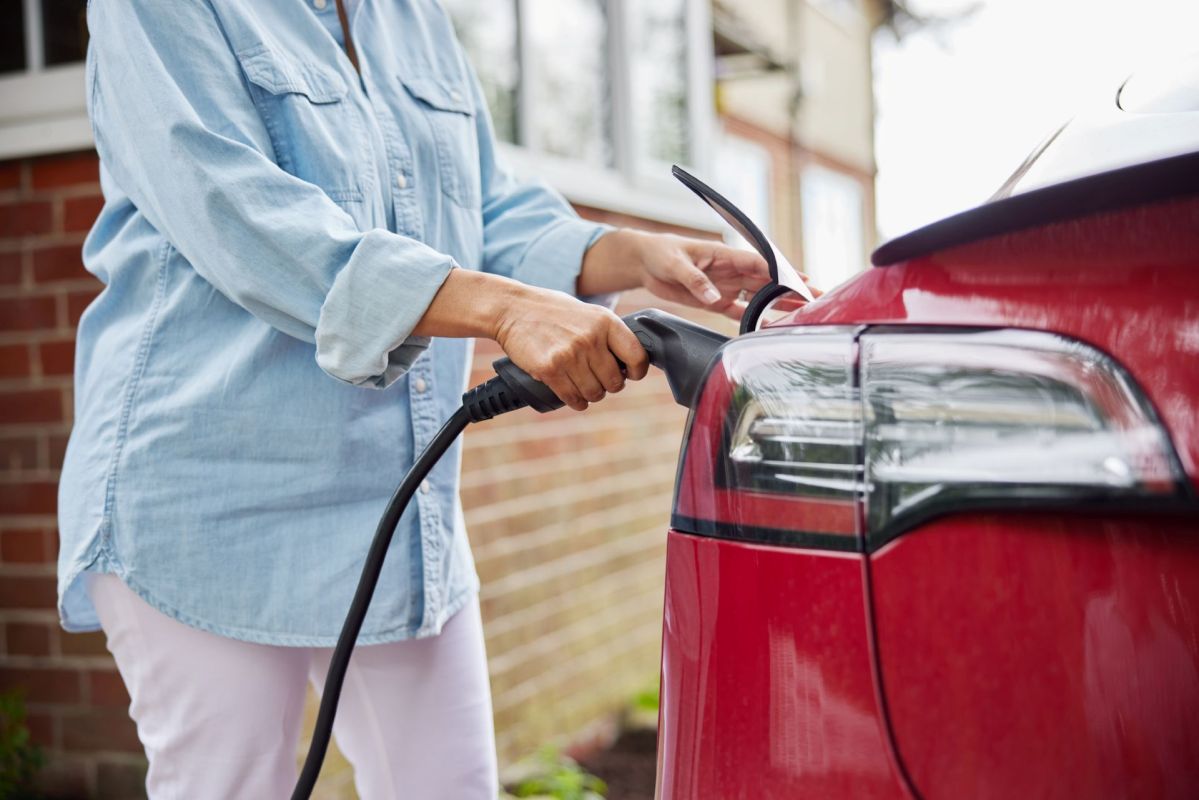
In New England, a parked electric vehicle may soon be able to make money even while it is not being driven. Utilities there are beginning to explore using energy stored in those cars when the grid is under extra strain.
For some owners, the arrangement could mean earning cash just by keeping an EV plugged in at home so the battery can be accessed at selected times.
What's happening?
According to The Boston Globe, utility companies National Grid and Eversource have started pilot programs in New England around vehicle-to-grid charging.
The concept allows utilities to pull a portion of electricity from qualifying cars during peak-use stretches and top those batteries back up later once demand eases. Car owners who participate in the program will receive an incentive in return.
National Grid says, as reported by The Boston Globe, a typical participant might receive roughly $1,250 a year, making the potential payment the main appeal for many households. Russell Vare, vice president of vehicle grid integration for The Mobility House, which runs a similar program in Europe, told the outlet, "the value is potentially in hundreds of dollars per year, maybe even thousands."
At the moment, participation is limited, with about 45 vehicles currently enrolled and the application window running until Sept. 30.
TCD Picks » Good Store Spotlight
Get 10% off your next purchase with code TCD10




A bigger obstacle is hardware compatibility, since only a small number of EVs available in the U.S. can use the bidirectional charging setup the pilot requires.
Among the consumer models that qualify are the Nissan Leaf, Kia EV9, Volvo EX90, Polestar Model 3, and Ford F-150 Lightning, The Boston Globe reported.
Why does it matter?
During spikes in electricity use, including heat waves, utilities commonly rely on expensive peaker plants fueled by natural gas or oil, The Boston Globe reported.
Letting idle EVs feed power back could lessen dependence on those dirtier, high-cost backup resources.
If programs like this expand, drivers could lower the cost of owning an EV while also helping support a more stable grid.
Because EV batteries are much larger than most home battery systems, even a relatively small number of participating vehicles could make an impact.
With more than 150,000 EVs already on the road in Massachusetts, broader automaker adoption could greatly widen the opportunity.
Massachusetts has also supported related efforts with public funding. The Massachusetts Electric Vehicle Infrastructure Coordinating Council backed adding two-way chargers for electric school buses, and one electric bus in Beverly reportedly generated more than $23,000 over two years by selling power back to National Grid, as The Boston Globe reported.
"These demonstrations are going to help us answer those questions and give us confidence that when we scale V2G, we can do so in a way that delivers reliable value for both the customers and the grid," Kevin Boughan, manager of strategy and business development for Eversource, told The Boston Globe.

Get TCD's free newsletters for easy tips, smart advice, and a chance to earn $5,000 toward home upgrades. To see more stories like this one, change your Google preferences here.