


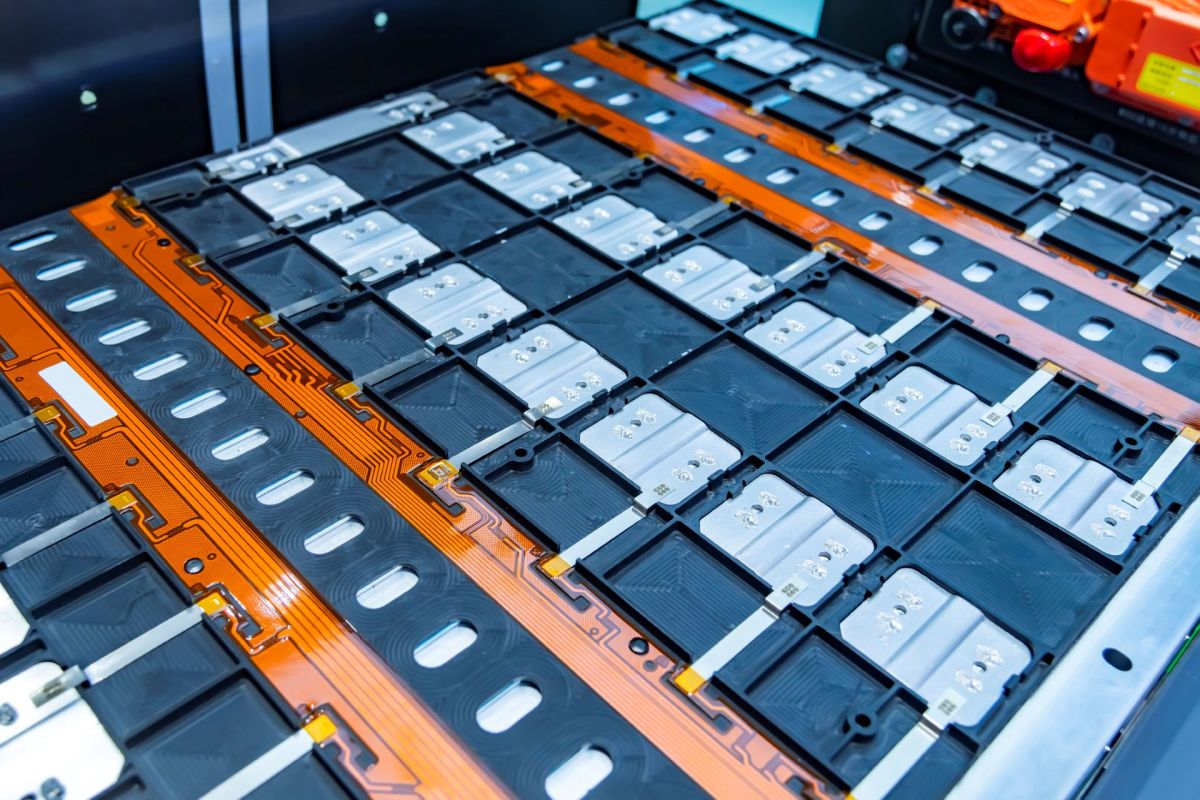
China is imposing a 2% consumption tax on certain battery products, including lithium and lithium-ion batteries, starting on Sept. 1, the finance ministry announced on July 17, according to Reuters.
The policy aims to direct support toward sodium-ion batteries, solid-state batteries, fuel cells, and certain types of solar cells — hopefully encouraging more environmentally friendly technology usage throughout the country.
What's happening?
Lithium-ion batteries are rechargeable batteries widely used from electric vehicles to smartphones, and they're relatively affordable and free of nickel and cobalt — both of which pose significant environmental threats, according to MIT.
Sodium-ion batteries, by contrast, are still in earlier stages of rollout, according to the International Energy Agency, but they could reduce reliance on lithium-heavy supply chains.
With this consumption tax, Chinese policymakers are trying to rein in industrial overcapacity in areas such as EV batteries, which factories have been producing far more than the domestic market needs, Reuters reported. In turn, the policy will also help protect the environment.
Why does it matter?
Battery chemistry affects cost, range, safety, and how quickly cleaner technologies become affordable.
TCD Picks » Quince Spotlight
💡These best-sellers from Quince deliver affordable, sustainable luxury for all




If LFP batteries become more expensive in the short term because of new taxes, that could put pressure on the price of some EVs and storage systems that rely on them today.
The goal could be broader access to batteries made with more abundant materials. Sodium-ion cells are generally seen as especially promising for shorter-range vehicles, scooters, e-bikes, and grid storage, according to the IEA. These categories are where ultra-high-energy density matters less than low cost and reliability.
Reducing dependence on lithium could help lower the risk of shortages, price spikes, and the environmental strain tied to ramping up extraction too quickly in a few concentrated regions.
What's being done?
Rather than waiting for sodium-ion to compete on its own timeline, policymakers appear to be pushing commercialization forward more aggressively.
That could help battery makers scale factories, test new supply chains, and bring sodium-ion products to market faster. If successful, it may also give manufacturers another way to build affordable energy storage without leaning so heavily on lithium.

Get TCD's free newsletters for easy tips, smart advice, and a chance to earn $5,000 toward home upgrades. To see more stories like this one, change your Google preferences here.






