


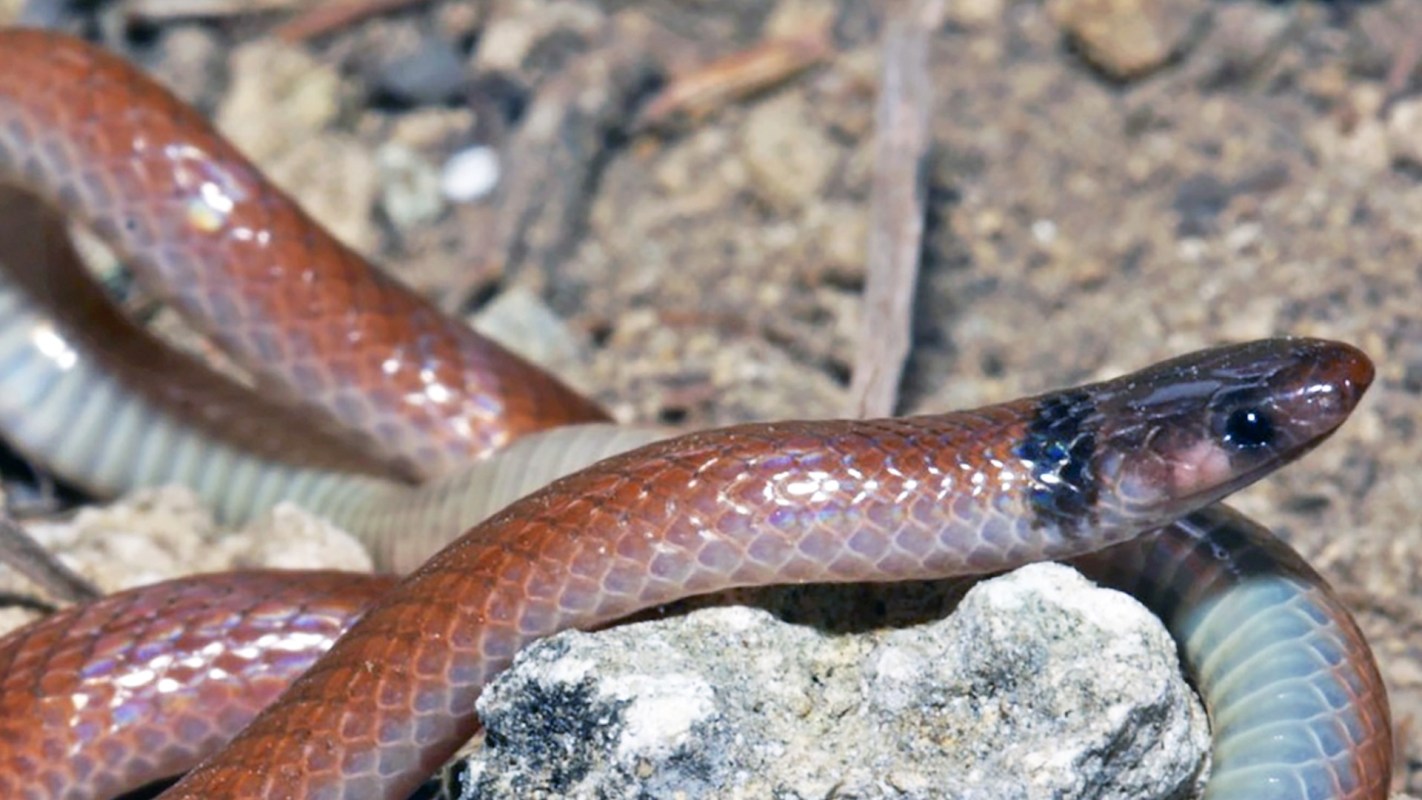
Two tiny snakes that many Floridians may never spot in the wild have just received one of the strongest protections available under United States law. The federal government has now listed the Key ring-necked snake and the rim rock crowned snake as endangered, underscoring how vulnerable South Florida's rare ecosystems have become.
What happened?
According to WTSP, the U.S. Fish and Wildlife Service announced Monday that both the Key ring-necked snake and the rim rock crowned snake are being placed on the federal endangered species list.
Their habitat is as limited as their distribution. WTSP reported that the Key ring-necked snake occurs only in the Florida Keys, while the rim rock crowned snake lives in Miami-Dade County and parts of the Keys, and both rely on rare ecosystems found only in Florida and the Bahamas.
Because each species occupies such a small area, federal officials say habitat destruction and shifting environmental conditions pose an outsized threat. If development, flooding, sea-level rise, or other pressures damage one of those small landscapes, the snakes have few alternatives.
Florida had already classified both snakes as threatened, and the new federal action strengthens their protections at a time when biodiversity loss is accelerating across the globe.
Why does it matter?
When species found only in one corner of the world begin disappearing, it can be a sign that the surrounding ecosystem is also under stress. Healthy local ecosystems help support cleaner water, stronger natural flood protection, and the broader web of plants and animals that communities rely on.
TCD Picks » Quince Spotlight
💡These best-sellers from Quince deliver affordable, sustainable luxury for all




The Keys and Miami-Dade are already contending with rising seas, stronger storms, and intense development pressure. Losing unique wildlife from those places would be another warning that natural systems are becoming less resilient.
Conservation is often most urgent for species the public rarely sees. Waiting until a species is on the brink usually means recovery is harder, slower, and more expensive.
What's being done?
With an Endangered Species Act listing, both snakes now receive federal safeguards aimed at conserving the species and helping them recover. Those protections can also shape land-use choices, habitat planning, and other work meant to limit additional damage.
WTSP reported that the Fish and Wildlife Service said recovery efforts may involve landowners, tribal governments, and state and local agencies. In South Florida, that kind of coordination is often important because habitat protection can intersect with private land, public infrastructure, and rapidly expanding communities.
WTSP reported that the snakes' "small geographic ranges make them especially vulnerable to habitat loss and other environmental changes," and that federal protections are intended "to help conserve the species and support recovery efforts through partnerships with landowners, tribal governments and state and local agencies."

Get TCD's free newsletters for easy tips, smart advice, and a chance to earn $5,000 toward home upgrades. To see more stories like this one, change your Google preferences here.







