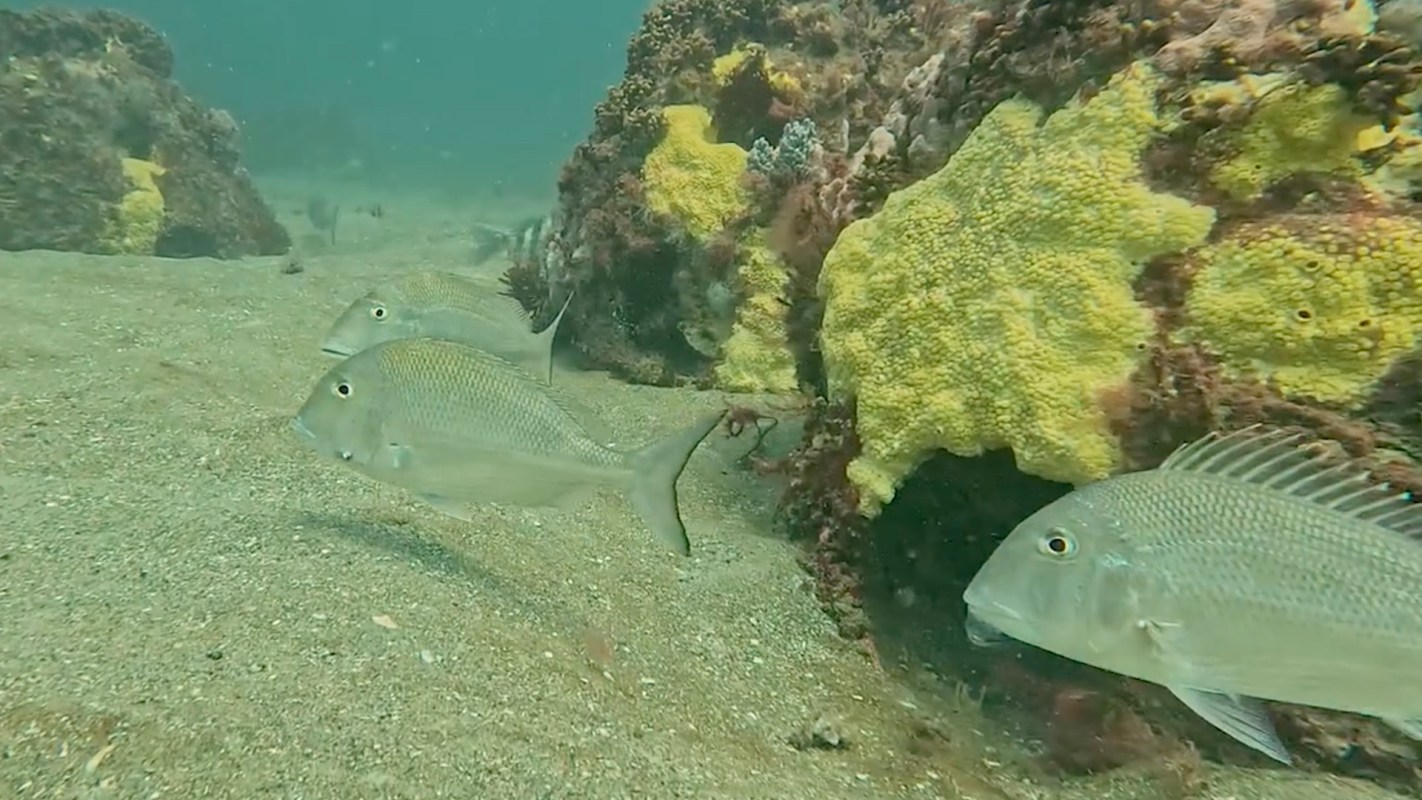
Off the coast of North Carolina, artificial reefs are being built with material that once belonged to bridges, culverts, and other public works projects. By giving old concrete a second life instead of sending it to landfills, the state is creating underwater spots where fish and other marine animals can find cover and food.
What's happening?
The North Carolina Division of Marine Fisheries has been incorporating recycled concrete into reef construction for decades. As WCTI 12 reported, officials say the Artificial Reef Program has used that approach since the 1970s.
According to the division, the program has helped establish roughly 1,100 acres of fish habitat and feeding areas across 47 artificial reef sites. The agency also says new reef materials are added each year to maintain a quality habitat for organisms to find a safe home and an effective place to forage and hunt for food.
WCTI 12 and a video from the division highlighted reef site AR-340, where a half-acre pile of concrete was set out in 2007. On the seafloor, that former demolition material serves as habitat for fish and other marine life.
Waste from one public works project becomes a useful tool for building a new underwater ecosystem.
Why does it matter?
Keeping heavy concrete out of landfills can save space and reduce the burden of disposing of damaged or excess materials. Reusing existing concrete can also reduce the need to source brand-new materials for reef-building projects, helping make the process more cost-effective for public agencies and taxpayers.
TCD Picks » Good Store Spotlight
Get 10% off your next purchase with code TCD10

Healthier coastal ecosystems can help support more resilient local seafood systems and outdoor recreation opportunities, while smarter waste management can reduce unnecessary environmental strain.
The project shows that old infrastructure does not always have to become trash. With creative reuse, materials that once served communities on land can keep delivering value underwater. Similar efforts have been made elsewhere, including in Sydney Harbour where 3D-printed concrete BioShelter panels made with recycled materials and crushed oyster shells restore oyster habitats and improve water quality.
What's being done?
The state is not starting from scratch: its Artificial Reef Program has spent decades putting recycled concrete to use offshore and continues to add more reef material over time. That makes demolition debris a recurring resource for habitat building rather than waste.
Programs like this can also offer a useful blueprint for other communities. One Louisiana nonprofit recycled 6,000 tons of discarded oyster shells into restored reefs to protect coastlines and support marine life.
When transportation departments, marine agencies, and local governments coordinate, materials from bridge removals, culvert replacements, and other construction work can be redirected instead of dumped.
Solutions to pollution and waste are not always flashy new inventions. Sometimes they come from rethinking what is already being thrown away and finding a way to make it useful again.

Get TCD's free newsletters for easy tips, smart advice, and a chance to earn $5,000 toward home upgrades. To see more stories like this one, change your Google preferences here.