


Virginia regulators are deciding who should absorb the cost of the state's fast-growing digital economy.
As WSET reported, the resolution could shape how Virginia handles artificial intelligence-era energy growth and who ultimately ends up picking up the tab.
What's happening?
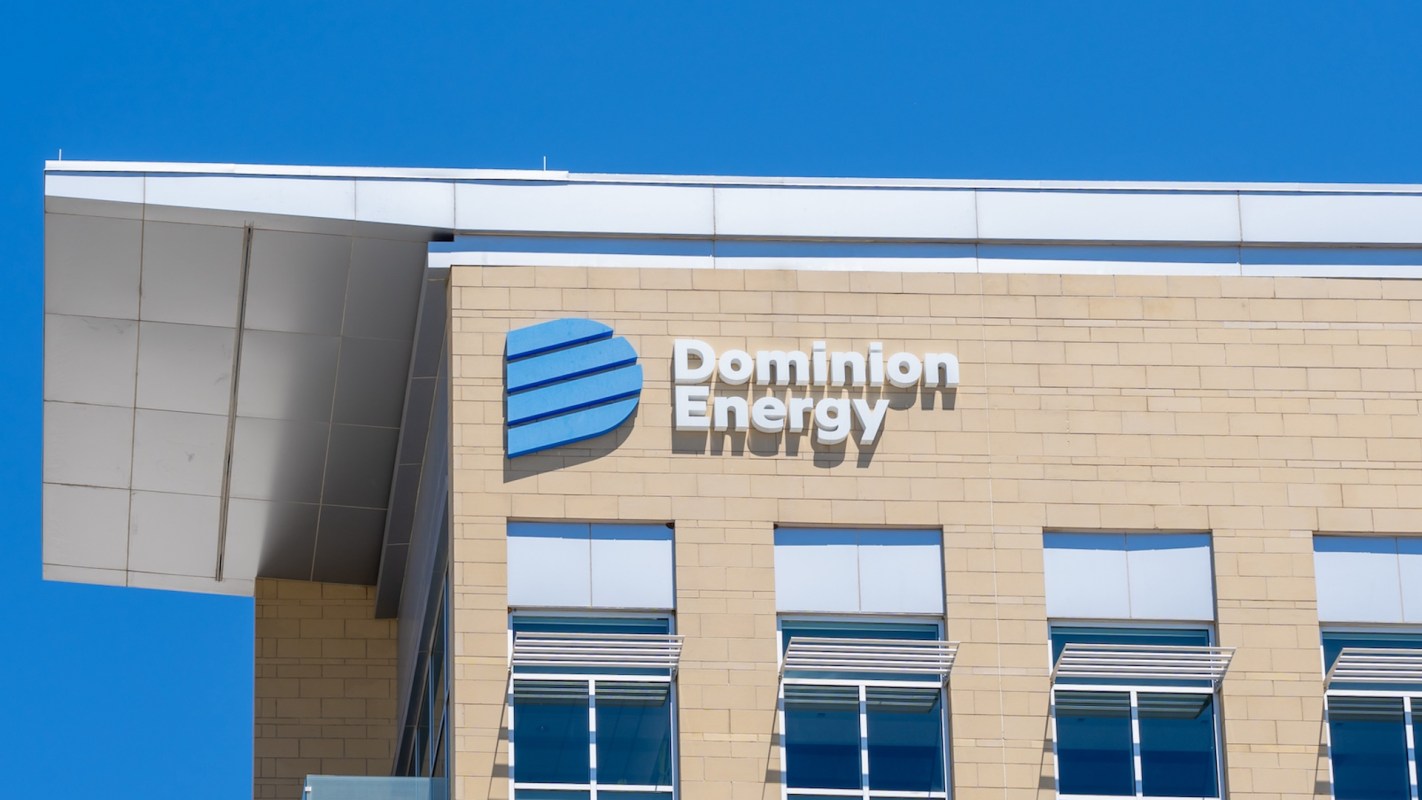
Dominion Energy is asking the Virginia State Corporation Commission to let it recover about $1.5 billion in high-voltage transmission spending as electricity demand climbs, the station said. A key question for regulators is whether more of that cost should be carried by the data center industry or spread across the wider customer base.
Virginia already leads the country in data centers, particularly in Northern Virginia, and those sites consume huge amounts of power for cloud services, AI, and other digital uses. Dominion Energy spokesperson Craig Carper told WSET the utility is seeing "the greatest increase in the need for electricity since the post-World War II boom."
Dominion said it expects nearly $7.6 billion in transmission spending through 2031, with roughly 68% of that work tied to data centers. Under the proposal now before regulators, the average residential customer's monthly bill would rise by about 94 cents, the station said.
Gov. Abigail Spanberger's administration, along with several Democratic lawmakers, wants regulators to ensure data centers take on more of the cost. Industry representatives, meanwhile, say large users are already paying a growing share, WSET reported.
TCD Picks » Quince Spotlight
💡These best-sellers from Quince deliver affordable, sustainable luxury for all




Why does it matter?
Even a relatively small bill increase can amount to one more charge for households already stretched thin. Delegate Sam Rasoul pointed to that concern directly.
"If you look at your electric bill, only a small fraction is actually the electricity that you use," he said, according to WSET. "Most of your electric bills are all these add-ons that keep piling up."
Also at stake is whether families across Virginia, including residents far from the state's data center hubs, should help finance infrastructure built largely to support a booming private industry.
As more people switch to electric cars and other home technologies, keeping power affordable becomes increasingly important. If households end up subsidizing major industrial demand growth, it could make it harder for families to benefit from the same electrification Dominion says is helping drive demand.
The Data Center Coalition has argued the opposite could happen. In a statement to WSET, the group said data centers can help absorb more of the grid's fixed costs and that residential customers' share of transmission costs has already declined.
What's being done?
State leaders are now pushing for different outcomes ahead of the commission's expected August 1 decision, the station reported.
While Democratic lawmakers are urging regulators to protect residents from bearing costs, Republican lawmakers have taken a more cautious approach.
"Let's slow down, take time to listen, study and find a way we can work together to ensure that we have the energy demands and we have the economic development and the growth that Virginia needs," said Delegate Wendell Walker, according to WSET.
Dominion said data centers will soon move into a separate rate class that will require significantly higher upfront costs and demand charges, regardless. The utility also said data centers are covering a substantially larger share of transmission costs than in the past, and that share should continue to grow.
"We want to ensure that everyone pays their fair share, whether they're a residential customer, small business, a big-box store or a data center," Carper explained to WSET.

Get TCD's free newsletters for easy tips, smart advice, and a chance to earn $5,000 toward home upgrades. To see more stories like this one, change your Google preferences here.






