


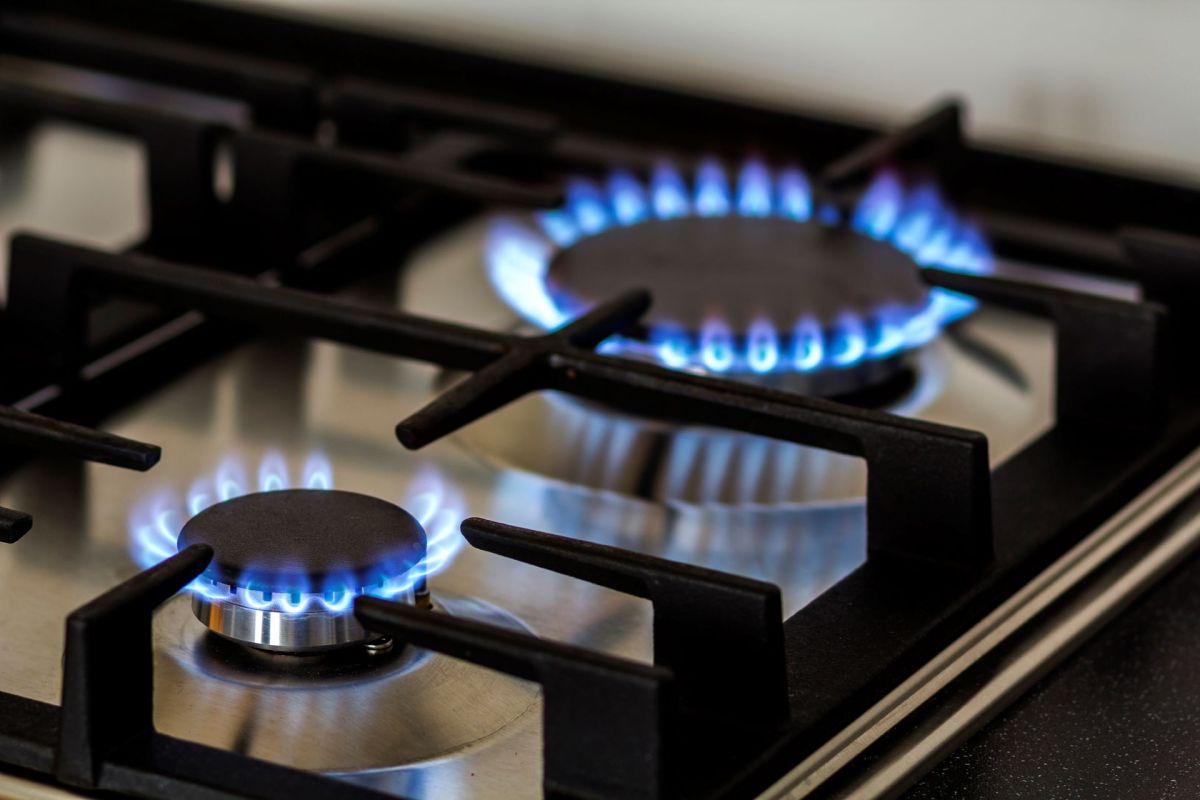
A pair of recent federal appeals court decisions left New York and California limits on gas-powered home equipment intact, strengthening those policies and making it more likely the dispute will eventually be taken up by the U.S. Supreme Court.
What happened?
According to Green Home Builder, federal appellate courts in both states left gas-appliance limits on newly built properties standing. Home builders, trade associations, and labor groups that sued over the measures came up short.
New York's litigation covered both a city rule and a statewide law. In New York City, Local Law 154 restricts carbon-emitting fuels in new buildings for uses including heating, hot water, cooking, and clothes drying. Separately, state officials are required by law to draft rules banning gas appliances from future construction.
California saw a similar result: the Ninth U.S. Circuit Court of Appeals upheld 2024 zero-pollution standards from the South Coast Air Quality Management District covering large water heaters, small boilers, and industrial process heaters. The National Association of Home Builders had argued alongside other trade groups that the rules clashed with federal law.
Why does it matter?
For states and cities already pursuing electrification, the rulings may provide stronger support for requiring all-electric new buildings. That could speed up the move away from gas-powered equipment in new homes in places such as New York, California, Connecticut, and Vermont.
For homeowners, the legal fight is also tied to household costs over time. Upgrading to a heat pump water heater can reduce energy bills because it transfers heat rather than creating it, the way conventional gas or electric-resistance models do, making it one of the more efficient swaps available in an all-electric home.
The rulings also add to a legal dispute that may not be settled until the Supreme Court weighs in. Until that happens, builders working across state lines could be stuck adapting to a patchwork of rules, adding compliance challenges and affecting which appliances are installed in new projects.
What's being done?
Governments are continuing to push building electrification as a way to cut pollution from homes and improve efficiency over time. That can translate into more interest in technologies such as heat pumps, induction cooking, and electric water heating that can work well in gas-free homes.
Save $10,000 on solar panels without even sharing your phone number Want to go solar but not sure who to trust? EnergySage has your back with free and transparent quotes from fully vetted providers in your area. To get started, just answer a few questions about your home — no phone number required. Within a day or two, EnergySage will email you the best options for your needs, and their expert advisers can help you compare quotes and pick a winner. Solar panels can save you more than $50k over their 25-year lifespan, and EnergySage can help you save as much as $10k on installation. Which begs the question — isn't that worth an email or two? |

Companies are also trying to make those electric options more practical. Cala offers customizable smart heat pump water heaters that help homeowners decrease their energy bills by heating water exactly when it's needed. Instead of running the same way all day, these systems learn a household's routine and heat water to match it, which can add up to hundreds of dollars in savings a year.
The New York and California cases follow a string of similar rulings, including a federal judge's decision upholding New York City's gas ban in new buildings last year.
Builders and homeowners alike are watching to see whether Cala and similar all-electric technologies become more prevalent as more states adopt gas restrictions in new construction.

Get TCD's free newsletters for easy tips, smart advice, and a chance to earn $5,000 toward home upgrades. To see more stories like this one, change your Google preferences here.






