


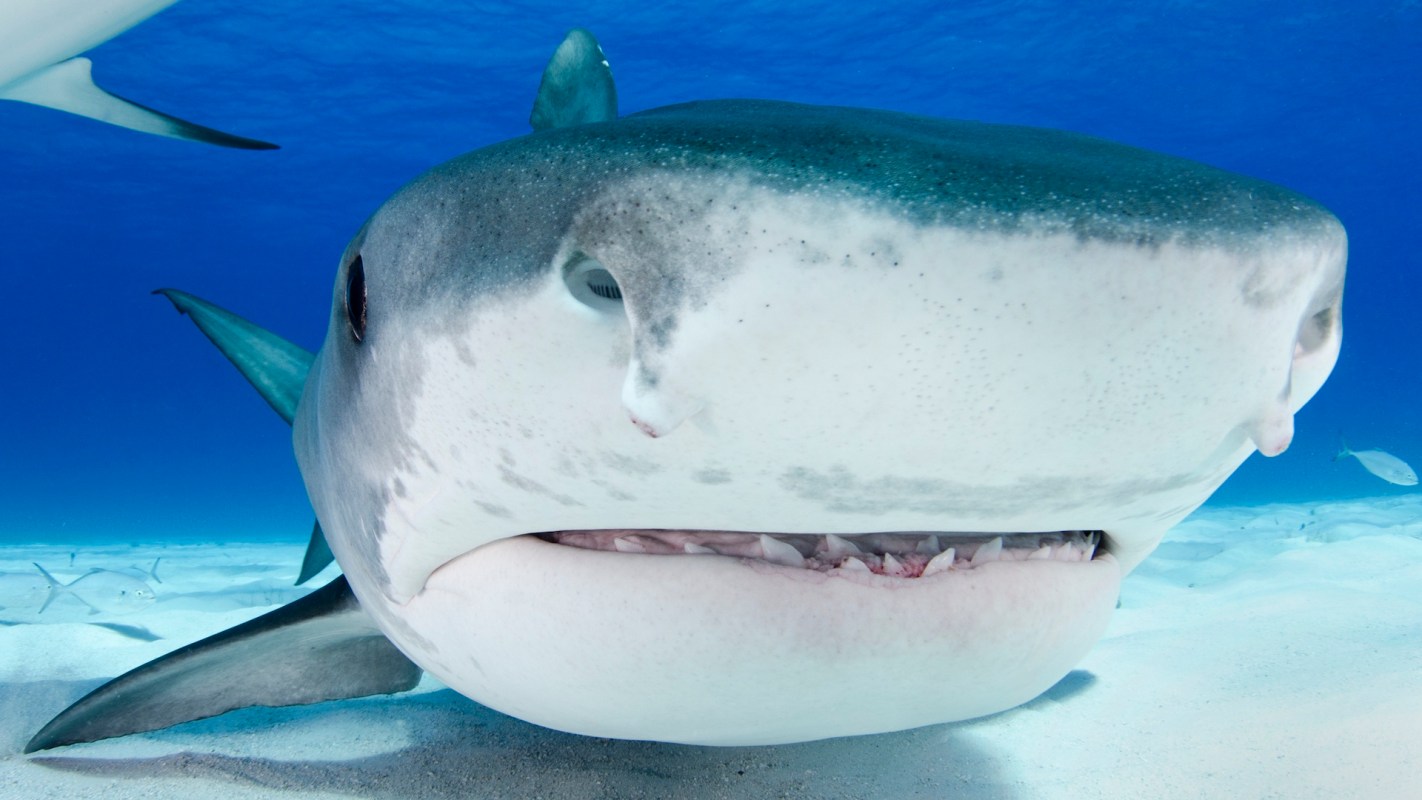
An estimated 10-foot tiger shark has been seen off Cape Cod, Massachusetts, for the first time this season, and the animal was observed feeding on a leatherback turtle.
The sighting is another sign that warming waters and growing human pressures on the ocean are changing where marine predators appear and what they encounter when they get there.
What happened?
Earlier this week, the shark was seen several miles off Mashpee near the entrance to Popponesset Bay, where it was feeding on a leatherback turtle, as reported by the Boston Herald. The encounter marked the season's first tiger shark sighting.
The shark appeared near the same area where a fisherman caught and released a tiger shark at about this time last year. As ocean temperatures keep rising, researchers have said they expect these sharks to turn up near Cape Cod more often.
Shark researcher John Chisholm put it plainly, per the Boston Herald: "As water temperatures continue to rise we're likely to see more warm water species showing up. If you have a sighting, please remember to report it so we can document these species."
Brad Crosby, who reported the sighting, said the turtle may already have been injured before the shark found it, possibly by a vessel. "Been dead for some time as it was pretty stinky!" Crosby added.
TCD Picks » Quince Spotlight
💡These best-sellers from Quince deliver affordable, sustainable luxury for all




Why does it matter?
Tiger sharks have long been part of the Atlantic, but more sightings this far north point to larger shifts in ocean conditions. Waters off the Northeast were once generally too cold for the species, but warming in recent years has made the area more suitable.
That warming is closely tied to human activity, especially the heat-trapping pollution driving climate change. Crosby also pointed to a possible second human role in this particular episode, saying the turtle's shell looked cracked, which could indicate a boat strike before it became food for a large predator.
The Florida Museum of Natural History describes the tiger shark as "a formidable predator and second only to the white shark in terms of the number of reported attacks on humans," while also noting that tiger sharks "should be treated with extreme caution and a great deal of respect."
More broadly, encounters between humans and wildlife often rise when habitats change or waterways become more crowded.
What can I do?
At Cape Cod beaches, the most practical step is to stay informed. Chisholm wrote, "There are multiple White Shark sightings already this morning. The team is on the Water actively looking for sharks so it's shaping up to be a busy day. Be sure to download the #Sharktivity app if you haven't already so you can stay up-to-date on sightings and alerts."
The Atlantic White Shark Conservancy's Sharktivity app collects sightings from researchers, safety officials, and users who submit photos for verification. That information can help beachgoers, surfers, and boaters make safer decisions in real time.

Get TCD's free newsletters for easy tips, smart advice, and a chance to earn $5,000 toward home upgrades. To see more stories like this one, change your Google preferences here.






