


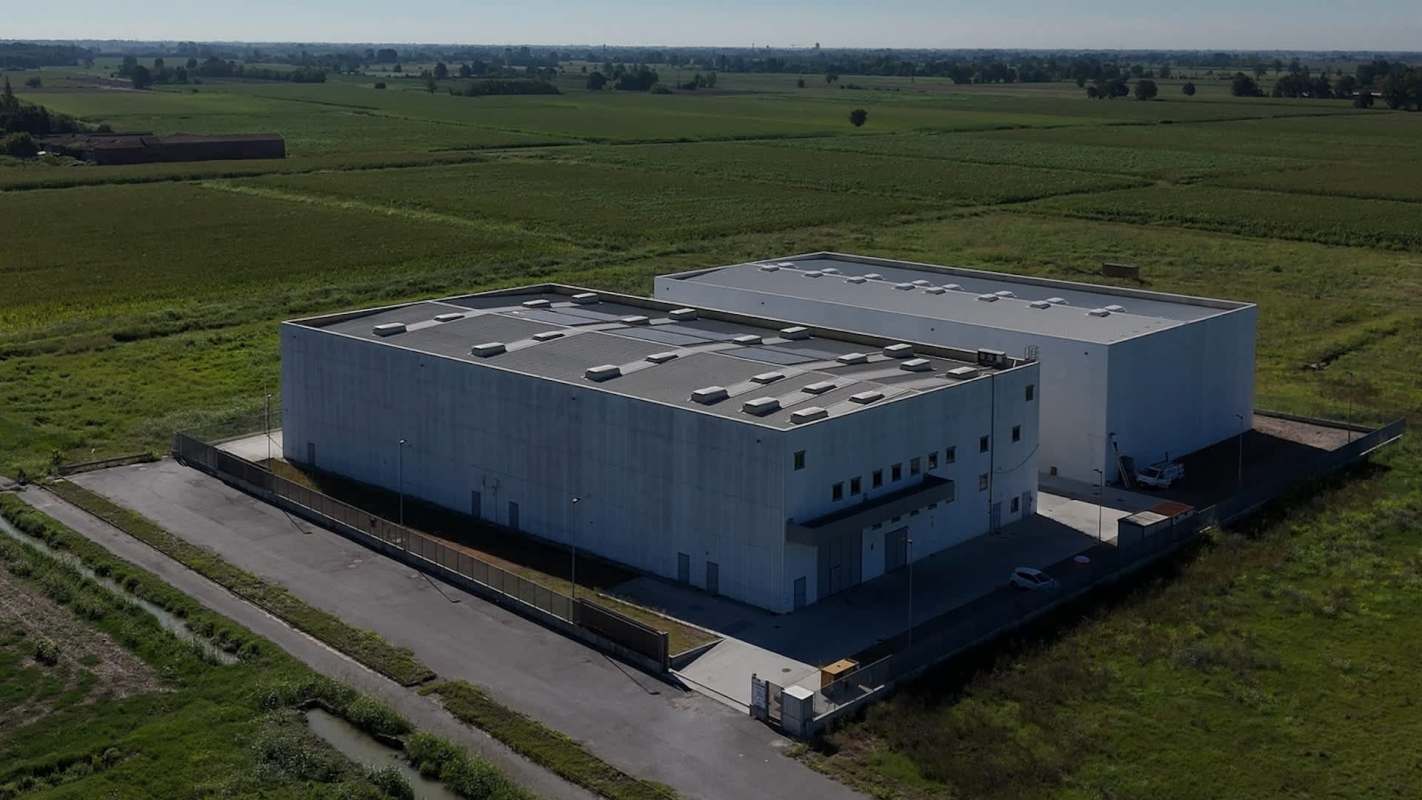
A proposed data center in Georgia, known as "Project Ruby," has become a flashpoint over who gets heard when fast-growing tech infrastructure arrives in a community, the Ledger-Enquirer reported.
After roughly 100 residents rallied in opposition, what began as a permitting dispute has expanded into a debate over transparency and the real cost of the AI boom.
What happened?
Frustration over how the local council in Columbus, Georgia, handled the proposal reportedly helped drive residents to gather in opposition to the planned data center.
People rallied on July 18, and Reuters reported that it was a part of a national effort. That same day, there were 142 protests across 42 states.
"We felt like we were not listened to by the city council," organizer Darlene Laird said to the Ledger-Enquirer. "We feel like there were so many people who were in opposition to the overlay and Project Ruby. We feel like they weren't transparent and didn't listen to us."
Why are AI data centers concerning?
Data centers can also place major demands on the electric grid and local resources, which is why new proposals are drawing greater scrutiny.
TCD Picks » Quince Spotlight
💡These best-sellers from Quince deliver affordable, sustainable luxury for all




While AI can help better integrate wind, solar, and battery storage, it can also use enormous amounts of electricity and water. That can strain local infrastructure and raise energy bills for everyday people. New data center development can also create noise and air pollution.
Taken together, those trends help explain why communities are asking tougher questions before new power-hungry facilities receive approval.
What's being done?
Residents are using public pressure to their advantage. Rallies, public meetings, and sustained local organizing can force greater disclosure around projects that might otherwise feel predetermined.
Local governments and developers also have several options if they want to reduce conflict. They can release clearer information about projected energy and water use and commission independent impact studies.
Utilities and regulators can also play a role by ensuring that costs are transparent and not sneakily passed on to everyday customers. They can also encourage cleaner power sourcing and technologies that reduce water consumption.
Whether Project Ruby moves forward or not, the protest shows that people want to be involved in their communities before AI-linked infrastructure reshapes their neighborhoods.

Get TCD's free newsletters for easy tips, smart advice, and a chance to earn $5,000 toward home upgrades. To see more stories like this one, change your Google preferences here.






