


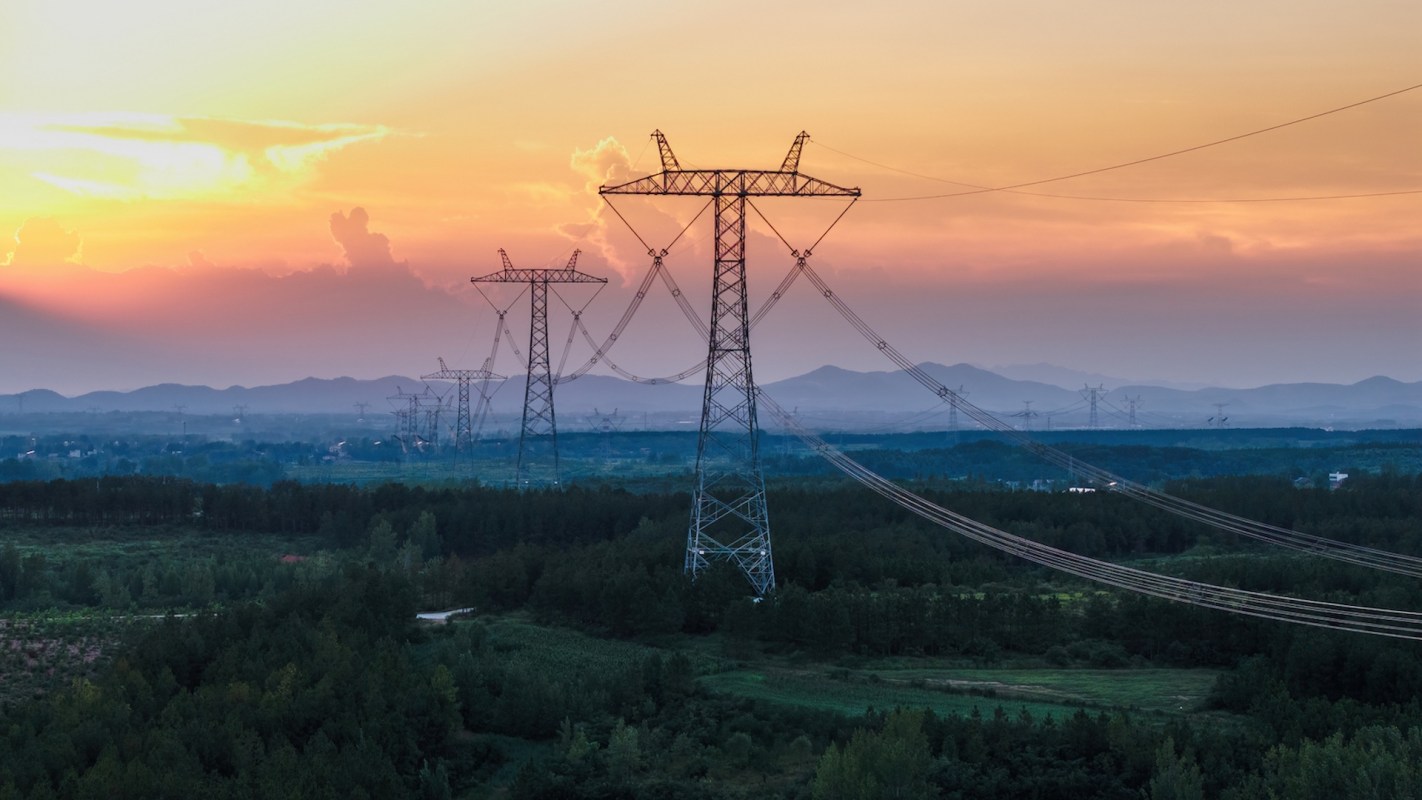
A zinc battery that reportedly kept running for seven straight months is turning heads in clean-energy circles.
If that kind of performance holds up at scale, content creator The Electric Viking (@electricviking) says it could offer utilities a cheaper, safer way to store renewable power and keep electricity flowing through outages, price spikes, and extreme weather.
What's happening?
The creator highlighted a zinc-based system intended for long-duration grid storage in a long-form video on a new study published in Nature Energy by Fudan University scientists.
Rather than framing it as a battery suited only to brief bursts of power, the video's description presents it as a candidate for long-duration storage.
As The Electric Viking breaks down, the researchers took a different approach that solved the problems of past zinc batteries. Interesting Engineering detailed the study's novel approach in depth.
The upshot of their work is extremely high efficiency and a potential long-term storage solution for the grid. Power grids are taking on more solar and wind, which do not always generate electricity when demand is highest.
TCD Picks » Quince Spotlight
💡These best-sellers from Quince deliver affordable, sustainable luxury for all




Long-duration batteries are designed to capture extra energy when it is available and release it later, helping smooth out supply and demand without relying as heavily on polluting backup power.
Why does it matter?
Better grid storage can mean a more dependable electric system and potentially lower costs. If utilities can save surplus solar from a sunny afternoon and use it after sunset, they may be in a better position to avoid expensive peak-time generation and reduce strain during heat waves or cold snaps.
Zinc chemistry has often been promoted as a lower-fire-risk and potentially lower-cost option than some lithium-based systems.
If those advantages hold up in real-world projects, cities and companies could gain more affordable backup power for schools, hospitals, water systems, and businesses that cannot afford long outages.
"There are endless ways to make and store electricity," a commenter wrote. "We are at the very beginning of discovery."
What's being done?
Whether this kind of result can move from a reported demonstration to large-scale deployment remains an open question. Utilities, battery makers, and policymakers are increasingly focused on long-duration storage as it becomes a more important part of modern grid planning.
The Electric Viking noted the researchers haven't closed off using other metals, and acknowledge they have a long way to go to putting this in real-world storage applications.
If zinc batteries can be produced cheaply and installed in major energy projects, they may complement lithium rather than replace it.
Lithium may still dominate electric vehicles and shorter-duration storage, while zinc could become attractive for applications where safety, cost, and long runtimes matter most.

Get TCD's free newsletters for easy tips, smart advice, and a chance to earn $5,000 toward home upgrades. To see more stories like this one, change your Google preferences here.






