


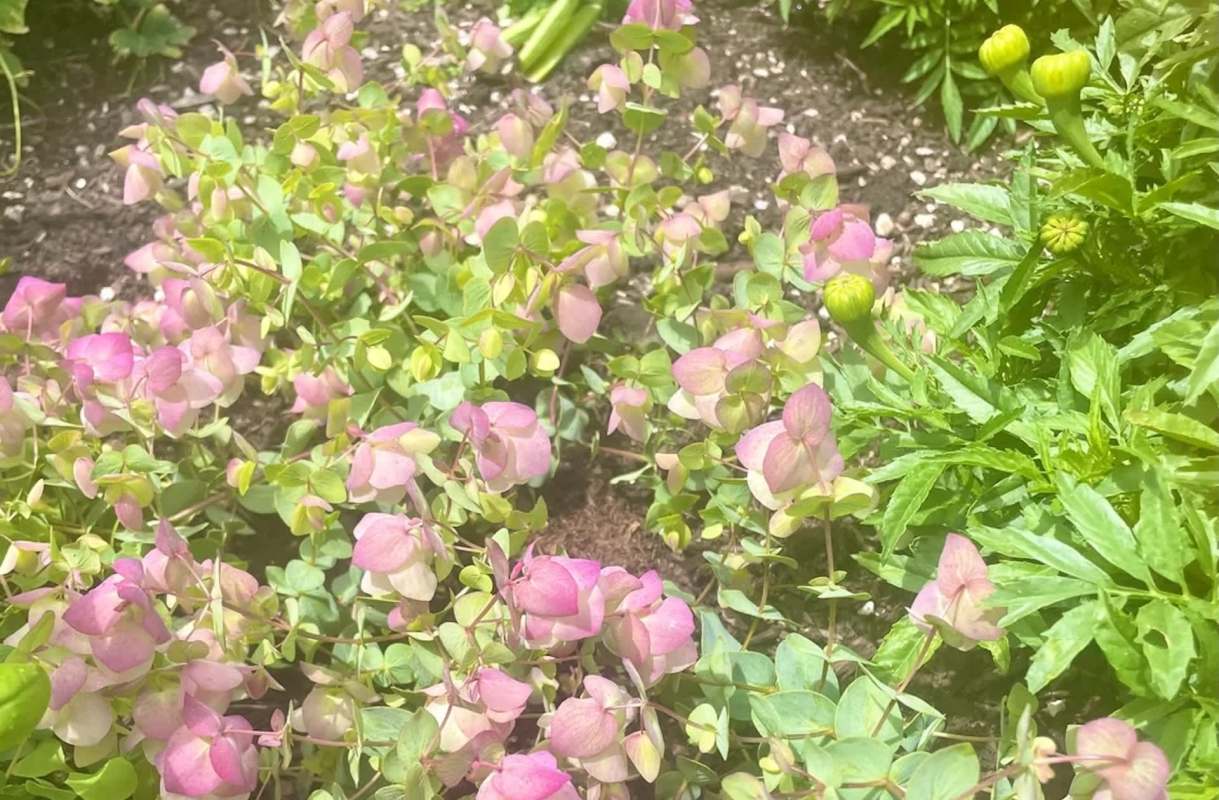
Sometimes the plants that seem the most out of place end up becoming the stars of the garden.
That was the case for one gardener who let a mystery volunteer keep growing long enough to bloom, only to discover it was ornamental oregano — and a favorite stop for pollinators.
What happened?
A gardener on the r/gardening subreddit posted about a surprise plant that only revealed its appeal after it bloomed.
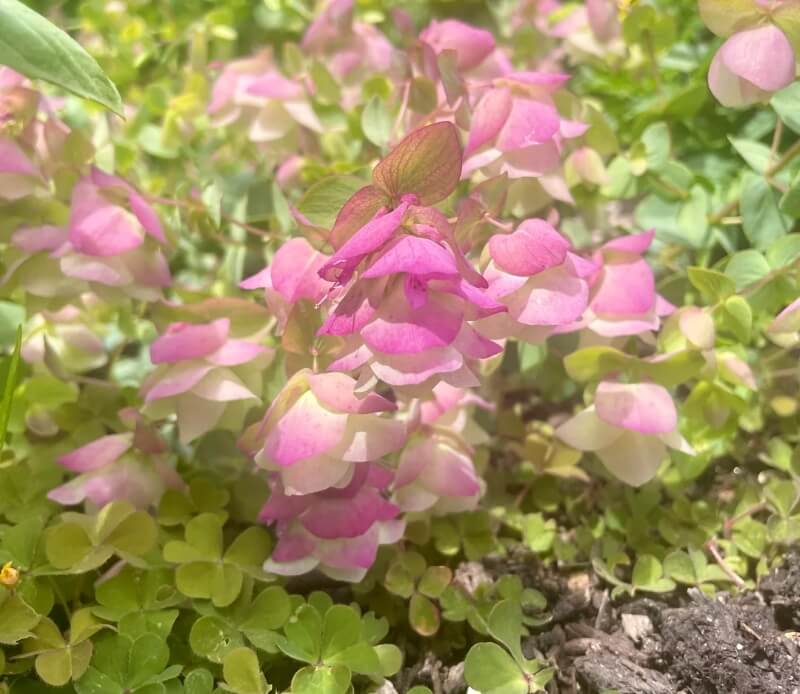
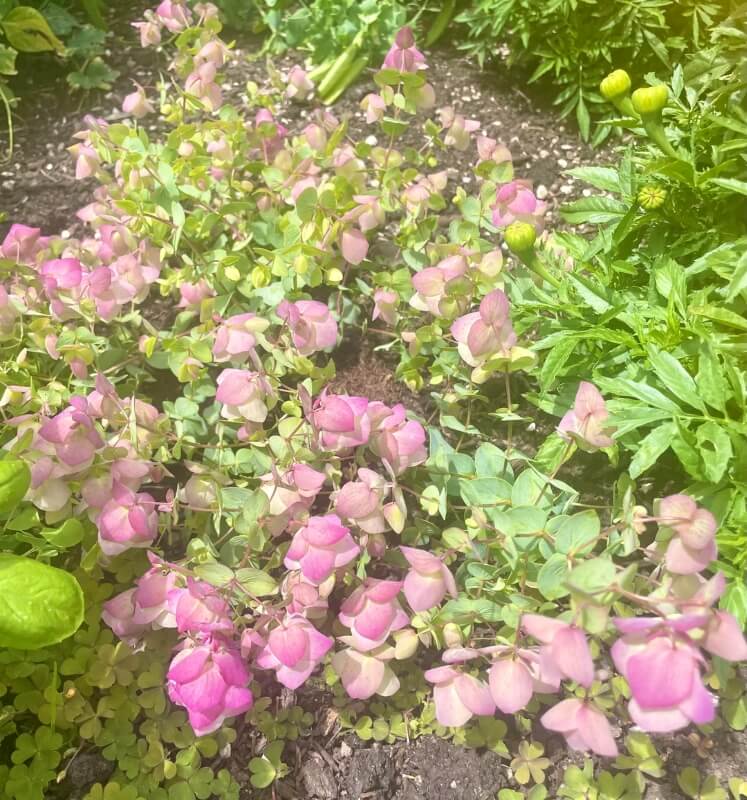
In the post on Reddit, they said it was "my new favorite plant, ornamental oregano."
Known for showy bracts and noticeable blooms, ornamental oregano can also provide nectar for pollinators. Giving the mystery plant more time led to a striking display and it becoming a pollinator magnet.
Users in the thread showed admiration for this surprise garden find, many saying they hadn't seen this flower species before. One Redditor commented, "This is the 1st I've ever seen this plant ... it's a lovely colour and so pretty!"
TCD Picks » Quince Spotlight
💡These best-sellers from Quince deliver affordable, sustainable luxury for all




Other users noted creative ideas for what the gardener could make with these flowers, with one user suggesting: "You can also make a beautiful dried swag for the holidays or Xmas tree swag or even a table scape with the beautiful ornamental oregano. They last forever and dry easily and retain their beautiful color."
Why does it matter?
Because pollinators help sustain many flowering plants and crops, yards, patios, and community gardens that include nectar-rich varieties can give them useful support.
There are household upsides to gardening as well.
Homegrown herbs, fruits, and vegetables can trim grocery spending, and many gardeners prefer the flavor of produce picked at home over store-bought versions.
The hobby can also lift mood and ease stress, while routine tasks like planting, weeding, and digging provide light exercise.
And even when a plant is grown for looks instead of eating, it can still draw people outdoors, help them learn what grows well nearby, and contribute to a garden that is attractive and useful.
Pollinator-friendly spaces may also help edible plants close by, making the entire garden more productive.
What can I do?
Before pulling a volunteer plant, it can be worth figuring out what it is.
Plant ID apps, local gardening resources, and native plant groups can help determine whether an unexpected arrival is a weed, a wildflower, or something worth leaving in place.
It can also be worthwhile to pick plants with more than one benefit.
Oregano, thyme, and lavender, for example, can add scent and visual interest while feeding pollinators.
Combining edible plants with ornamental ones is a great way to build a garden that supports wildlife, looks appealing, and may reduce trips to the grocery store.
For gardeners who want a more productive space, The Cool Down's guide to growing your own food can be a useful starting point.
Even a few containers or a modest raised bed can provide fresher ingredients, cheaper produce runs, and a rewarding everyday habit.
If the aim is to draw in pollinators, avoiding harsh chemicals and keeping different flowers blooming over time can help, even in a compact garden.
In gardening, patience is sometimes the smartest choice.

Get TCD's free newsletters for easy tips, smart advice, and a chance to earn $5,000 toward home upgrades. To see more stories like this one, change your Google preferences here.






