


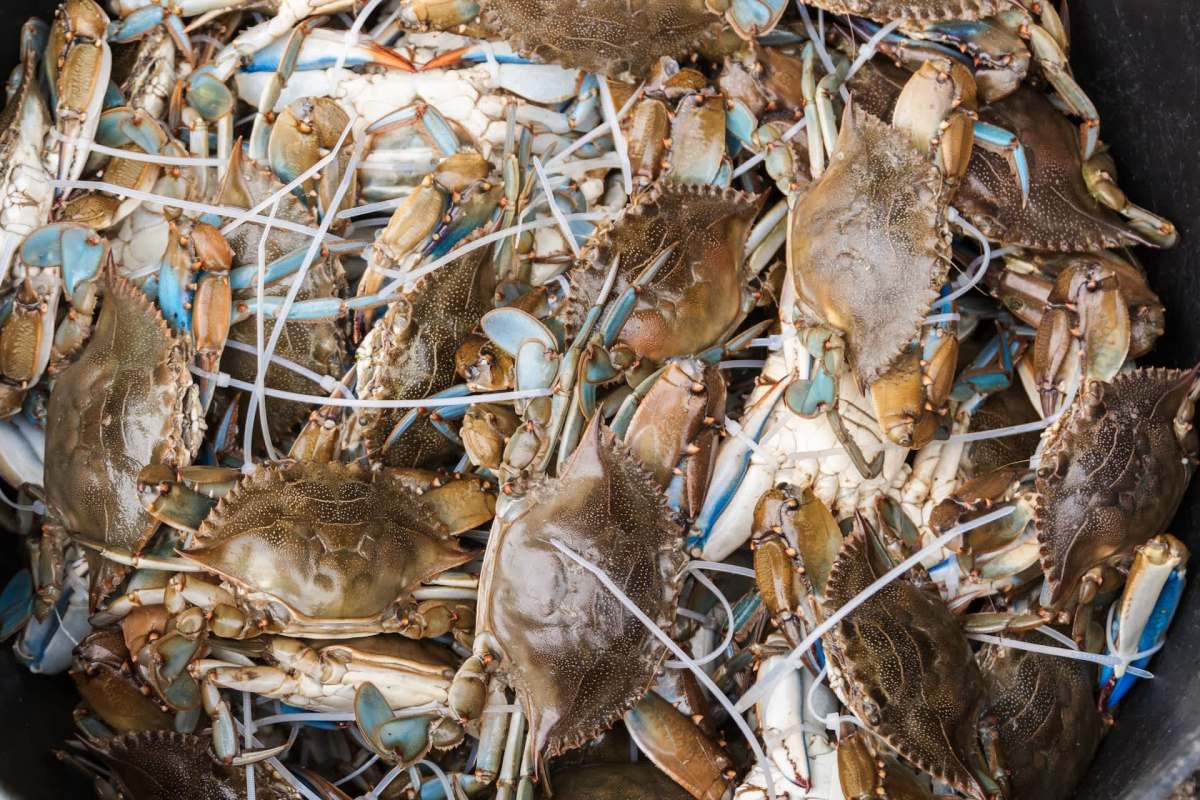
Clam fishing has long been part of life in Italy's Po Delta, but Atlantic blue crabs are now upending that tradition.
As the invasive species tears through shellfish beds, harvests are collapsing, and many workers are leaving an industry that once supported entire lagoon communities.
What's happening?
According to CNN, annual clam harvests in the Scardovari lagoon in northeastern Italy have plunged 93% over the past few years.
In 2023, veteran clam fishers Oscarina Soncin and Giovanna Pizzo began pulling up shattered shells instead of intact clams, evidence that Atlantic blue crabs had spread through the Po Delta and were feeding on Manila clams.
Researchers said the delta has long been rich in nutrients and marine life, but climate-related shifts appear to be giving the crabs an added advantage.
According to CNN, Viviana Carli, a technician with the Po Delta Park field team, explained, "What seems to have changed were the environmental conditions, which became much more favorable for the species, allowing the population to increase dramatically."
TCD Picks » Quince Spotlight
💡These best-sellers from Quince deliver affordable, sustainable luxury for all




Clam production in Scardovari fell from 4,800 tons to 340 tons, while blue crab catches in the Po Delta climbed from about 200 tons in 2022 to 2,000 tons in 2024, a 900% increase.
The local consortium says more than 600 fishers have left the trade.
Why does it matter?
Because Manila clams are central to both regional cuisine and the local economy — and because Italy ranks second only to China in producing them — the loss of clam beds reverberates widely. Families lose income, food businesses lose supply, and a deeply rooted tradition is threatened.
Warmer Mediterranean waters, milder winters, drought, and flooding are changing which species can survive, reproduce, and spread.
Angela Franceschetti, a member of the Scardovari consortium, said climate change "directly affects my livelihood," per CNN.
The consortium's membership has fallen from 1,470 to 860.
Soncin has retired from clam fishing and now cleans houses, while Pizzo has left the water for work in a fish processing factory.
The Po Delta is part of a broader pattern: around the world, rising temperatures are reshaping fisheries and helping invasive species gain a foothold in places where they once struggled to endure.
What's being done?
Italy's government has pledged at least 10 million euros for blue crab removal and for protective barriers such as fences and nets around the clam stocks that remain. Scientists, however, said wiping the crabs out of the lagoons entirely may not be realistic.
Officials have also tried to encourage people to eat blue crab. That has been a harder sell in Italy, where many consumers connect the species with economic ruin and where crabs take more effort to clean and prepare than clams.
Another approach is to build a business around the invader. Taprobane Seafoods is partnering with consortium fishers to process and export the crabs, creating at least some replacement jobs and income.
Franceschetti and her partner now spend part of their time tending crab traps while continuing to devote hours to maintaining clam farms.
Soncin reflected, "The sea can give a lot, but it can also take everything away, and that is exactly what happened to me."
Franceschetti added, "Changes in temperature, weather patterns and marine conditions influence the way the ecosystem functions, and those changes inevitably impact the work of those who depend on it every day."

Get TCD's free newsletters for easy tips, smart advice, and a chance to earn $5,000 toward home upgrades. To see more stories like this one, change your Google preferences here.






