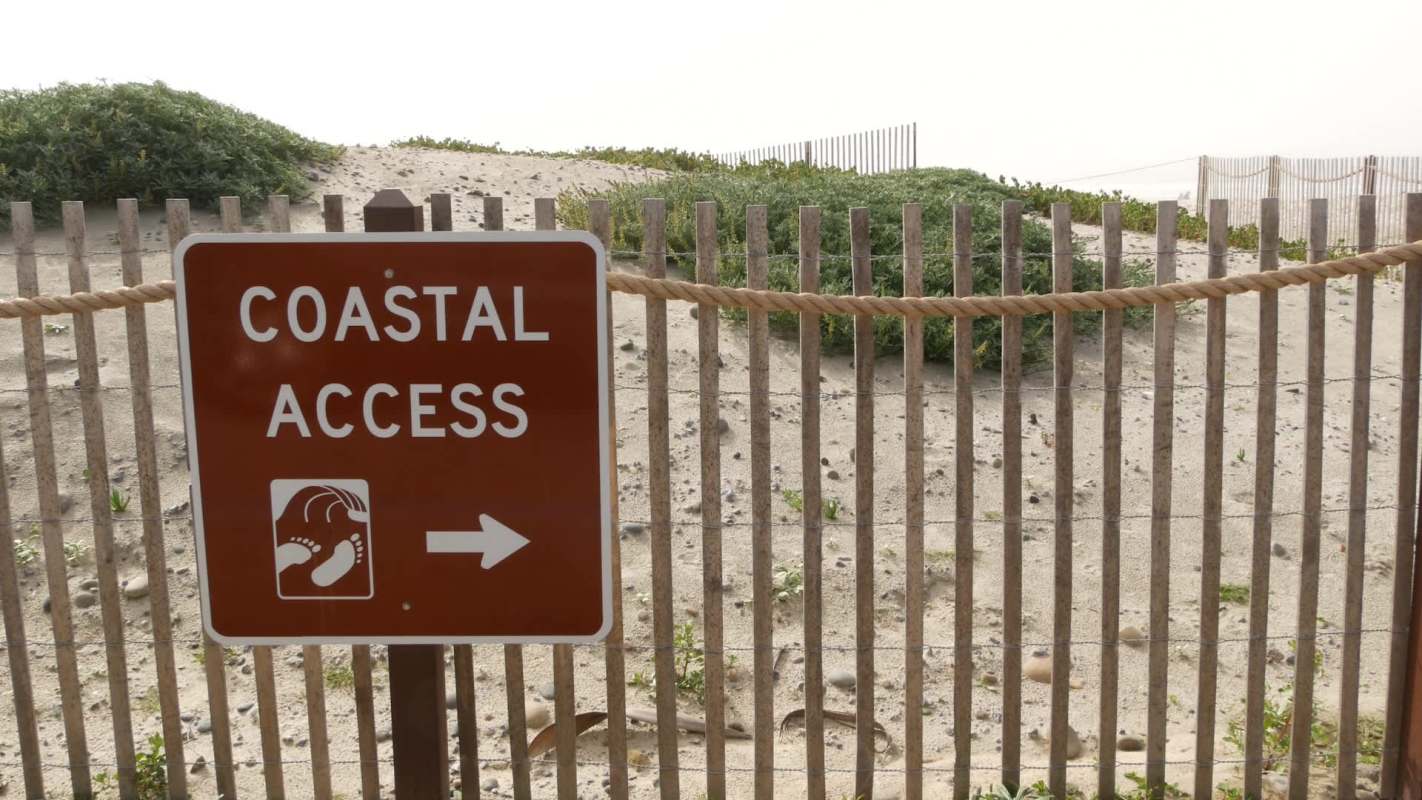
California's shoreline is meant to be open to all, but half a century after the state guaranteed public access, many residents still find the coast physically, culturally, and economically hard to reach.
That disconnect is drawing renewed attention as researchers warn that a public right means little if entire communities still cannot get to the sand.
What happened?
In disadvantaged communities stretching from San Francisco to Ventura, researchers found that deep inequities still shape who can benefit from California's coast. Their survey of nearly 1,700 people showed that the obstacles involve more than parking prices or how far someone has to travel, Earth.com reported.
The study, led by a UC Santa Cruz research team and published in Nature Communications, linked those access gaps to broader structural problems such as weak transportation options, uneven investment, and long histories of exclusion from coastal spaces.
Timothy Frawley at UC Santa Cruz said the divide remains plainly visible.
"While California prides itself on being a pretty diverse state, it is painfully evident to anyone who has spent much time on the coast how segregated these areas remain," Frawley said.
TCD Picks » Good Store Spotlight
Get 10% off your next purchase with code TCD10




Conditions varied sharply from one beach access point to another. Sites near wealthier neighborhoods were more likely to offer boardwalks, trails, and regular staff, while beaches used by under-resourced communities more often faced overflowing trash, poor water conditions, and limited staffing.
Why does it matter?
The study argues that when communities are cut off from the coast for generations, they also lose health benefits, cultural connection, and a sense of belonging in public space.
"When communities are excluded from coastal spaces across generations, they don't just lose recreational opportunities," Jillian Lyles at Stanford University said, according to Earth.com. "They lose opportunities to cultivate the kinds of relationships with the ocean that foster belonging, community, cultural identity, and care."
For many Indigenous, Black, brown, and immigrant Californians, the coast may be legally public yet still feel inaccessible or unwelcoming. The researchers tied that reality to redlining, discriminatory housing practices, and uneven public investment.
Gender plays a role as well. Emma Gee at UC Santa Cruz said, "We found in our study, and can confirm through our lived experiences as oceangoers, that coastal activities like surfing, fishing, and diving are dominated by men in California as well."
What's being done?
The researchers said there are practical ways to start closing the gap. Among their suggestions were cutting parking fees, offering free parking or vouchers for communities, and improving lower-cost transit to beaches. Earth.com noted.
They also urged changes in how coastal areas are managed, including equity audits, cultural-competency training for staff, and stronger support for Tribal co-stewardship.
Nancy Faulstich, the executive director of Regeneración, Pajaro Valley Climate Action, said the need is urgent: "Without targeted investment and policy reforms designed to level the playing field and address the needs and values specific to local communities, many ocean areas will continue to be unknown, underused, and therefore undervalued."
"The state of California has some of the strongest coastal protections anywhere in the country, and even the world," said Professor Katherine Seto at UC Santa Cruz. "But the promises of those policies remain unfulfilled while structural inequities continue to create such huge disparities in peoples' ability to benefit from the coast based on their income and identity."

Get TCD's free newsletters for easy tips, smart advice, and a chance to earn $5,000 toward home upgrades. To see more stories like this one, change your Google preferences here.