


Volunteers removed enough plastic from the shore of a lake in Brazil's Amazon to fill a dumpster, but scientists warned that the problem goes far beyond the debris that can be picked up by hand.
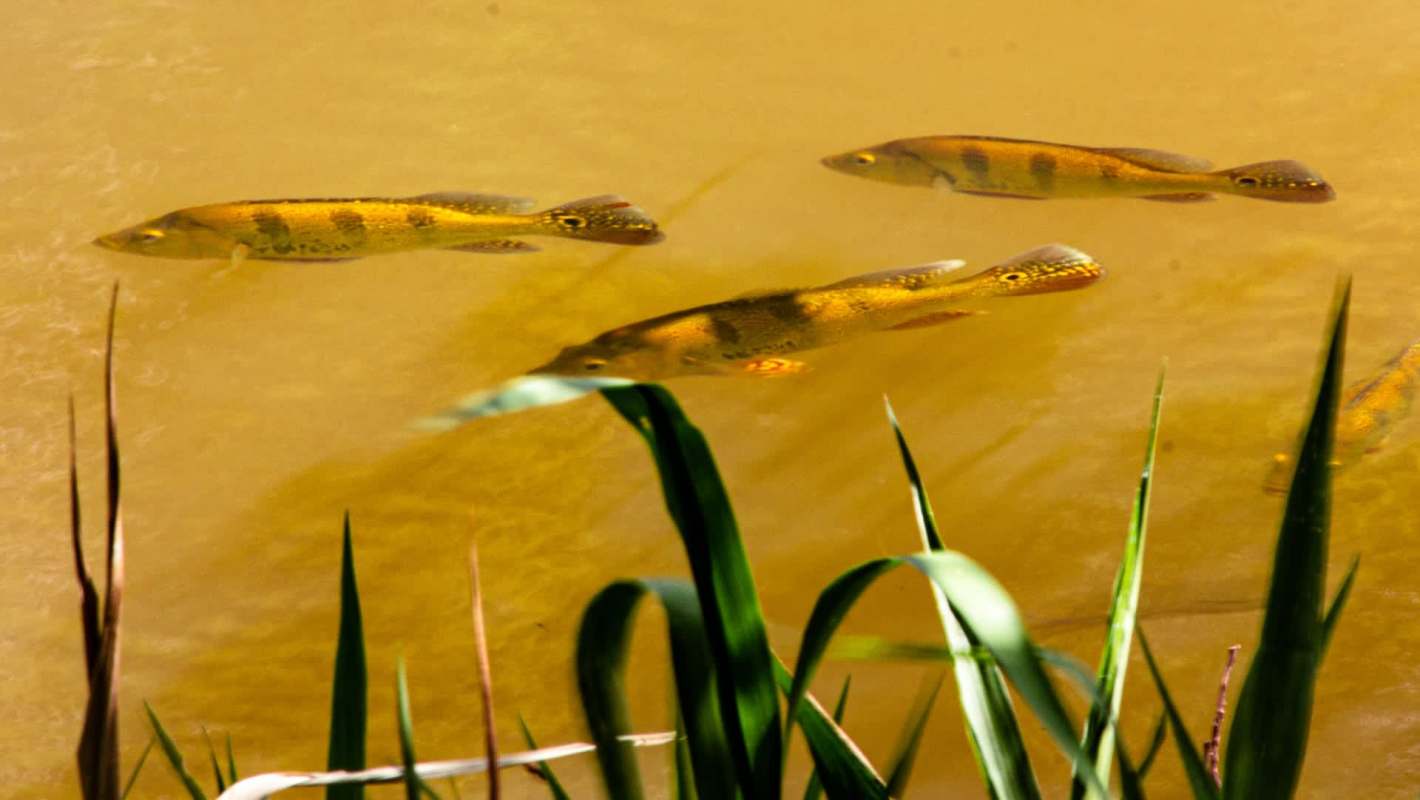
At the same lake near Manaus, researchers detected microplastics in the digestive tracts of half the jaraqui they examined, according to Mongabay.
What happened?
Because jaraqui is eaten so widely in Amazonas state, the finding has heightened concern.
Fifty people from Asas de Socorro and Rede Reviva, a non-governmental organization, cleaned about 1 mile of shoreline at Puraquequara Lake in eastern Manaus on June 20, collecting enough trash to fill one dumpster.
A comparable cleanup in June 2023 produced two dumpsters of waste.
The cleanup results aligned with findings from Eletuza Uchôa Farias of Brazil's National Institute of Amazonian Research.
TCD Picks » Quince Spotlight
💡These best-sellers from Quince deliver affordable, sustainable luxury for all




In a lake in eastern Manaus, she found that 50% of sampled fish from two jaraqui species had ingested microplastics; Mongabay reported that jaraqui is the most commonly consumed fish in Amazonas state.
Every particle identified in the study was a fiber measuring 0.02 to 0.17 inches (0.5 to 4.37 millimeters). Of those particles, 85.7% were classified as polyamide, a material commonly used in textiles.
"While it's not possible to tell the source of these microplastics with absolute certainty, it's safe to say that lack of basic sanitation and proper waste collection is one of the main factors linked to the contamination," Farias said.
Researchers have documented the particles in a wide range of Amazonian environments, including rivers, urban streams, floodplains, and estuarine mangroves.
Why does it matter?
Microplastics are plastic pieces smaller than 0.20 inches, but their effects spread widely through the environment, wildlife, and human bodies.
After fish and other animals ingest them, the particles can linger, move into other tissues, and continue up the food chain, often reaching humans.
People in Puraquequara rely on the lake for fishing, farming, transportation, and everyday living. At the same time, the area lacks adequate sewage collection and treatment, and Mongabay reported that wastewater from washing and household plumbing can run directly into nearby waterways.
For Andreu Rico, a researcher focused on contaminants in Amazonian waters, the prevalence of one material hinted at a likely source.
"The presence of fibers is a strong indication that the pollution comes from untreated sewage," he said.
Rico has found microplastics across the Amazon basin, including inside protected areas.
His research in Manaus found levels considered unsafe for aquatic organisms in 20% of the urban igarapés, or streams, that were analyzed, per Mongabay.
What's being done about microplastics?
Community groups are continuing efforts to stop trash before it reaches the lake.
William Gomes, a manager at Asas de Socorro who grew up in Puraquequara, helps lead shoreline cleanups, often alongside volunteers arriving by canoe.
Gomes told Mongabay that garbage collection in the area once occurred only once a week, but after the group appealed to city officials, service increased to three times weekly.
The NGO also created five recycling collection points in 2024, though Gomes told Mongabay that residents began using them as ordinary dumping areas and the effort was later ended.
Researchers say meaningful progress will require better infrastructure, including stronger waste collection, sewage treatment, and more study of where microplastics are accumulating in water, sediment, and fish tissues.
"We need to start thinking about what we can do to keep this population living in their territories and solve the problems created by urban occupation itself, as is the case with microplastics," Farias said.
Gomes added, "Before I got involved with the issue, I also used to think that environmental talk was nonsense."

Get TCD's free newsletters for easy tips, smart advice, and a chance to earn $5,000 toward home upgrades. To see more stories like this one, change your Google preferences here.






