


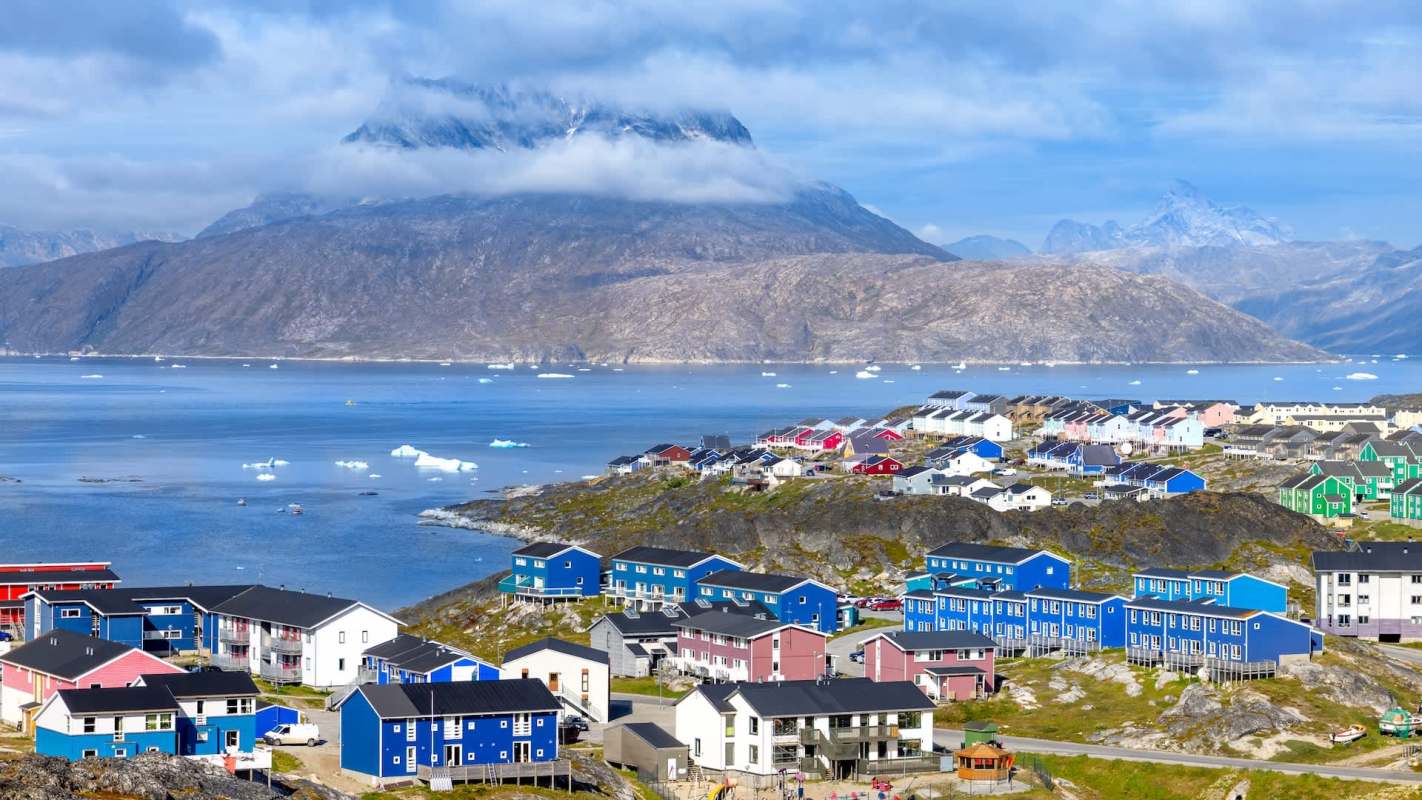
Tiny traces of rare methane molecules trapped in ancient Greenland air are giving scientists a clearer view of how profoundly human activity has changed the atmosphere.
In a new study published in the journal Science Advances, researchers found that these unusual molecules preserve a record of the industrial era's growing methane imbalance, according to Earth.com.
What happened?
About 30% of the warming Earth has already experienced is tied to methane, and atmospheric methane levels are still increasing. Scientists had not yet fully pinned down why that rise has unfolded the way it has over time.
Researchers turned to "clumped methane isotopes," a rare form of methane in which two heavier atoms occur in the same molecule. Scientists saw a noticeable shift in the abundance of these molecules in the atmosphere over recent decades.
To understand that change, the researchers combined 1,000 years of atmospheric simulations with tests on old air preserved in Greenland snow. Their results connected the trend to human-driven changes in both methane emissions and the atmosphere's ability to break methane down.
First author Malavika Sivan, formerly a researcher at Utrecht University, said: "Since the start of industrialization, humans have disrupted the balance between methane emissions and breakdown so profoundly that it's visible in our measurements."
TCD Picks » Quince Spotlight
💡These best-sellers from Quince deliver affordable, sustainable luxury for all




The findings relied on very large air collections taken from firn, the dense snow layer above glacial ice, at Greenland's EastGRIP research station. Scientists gathered 132- to 185-gallon (500- to 700-liter) samples, and some of the air inside was up to 40 years old.
Why does it matter?
Methane is a potent heat-trapping gas, and faster warming can bring more dangerous heat waves, higher food costs, worsening floods and droughts, and greater risks for communities already dealing with pollution and extreme weather.
The research also offers an explanation for a problem that has confused scientists. The atmosphere contains more clumped methane molecules than known sources such as wetlands, farms, and fossil fuel operations appear to produce.
The atmosphere removes these molecules more slowly than regular methane, allowing them to build up over time.
Directly tracking changes in methane emissions and methane removal from the air could help scientists test whether current methane-cutting efforts are actually making a difference.
Senior author Thomas Röckmann, a professor of atmospheric physics and chemistry at Utrecht, noted: "Reducing methane concentrations is one of the fastest ways to slow global warming in the short term."
What's being done?
Tracking clumped methane isotopes over time could give scientists a way to check whether methane-reduction efforts are succeeding.
That could help policymakers assess programs designed to reduce leaks from oil and gas systems, improve landfill management, and curb agricultural emissions.
Röckmann added: "Policy initiatives like the Global Methane Pledge, which aims for a thirty percent cut in methane emissions by 2030 compared to 2020, might help slow or reverse that trend."
Scientists are continuing to improve the tools they use to track pollution.
In this case, Sivan even traveled to the University of Maryland to work with equipment capable of analyzing the ancient air samples using less air, helping the team identify a strong long-term trend. For the researchers, the result was a clearer understanding of the atmosphere's changing chemistry.
As Sivan said, "But it was worth it: we really understand how the clumped isotope signal records the influence of humans on the atmosphere in the industrial period."

Get TCD's free newsletters for easy tips, smart advice, and a chance to earn $5,000 toward home upgrades. To see more stories like this one, change your Google preferences here.






