


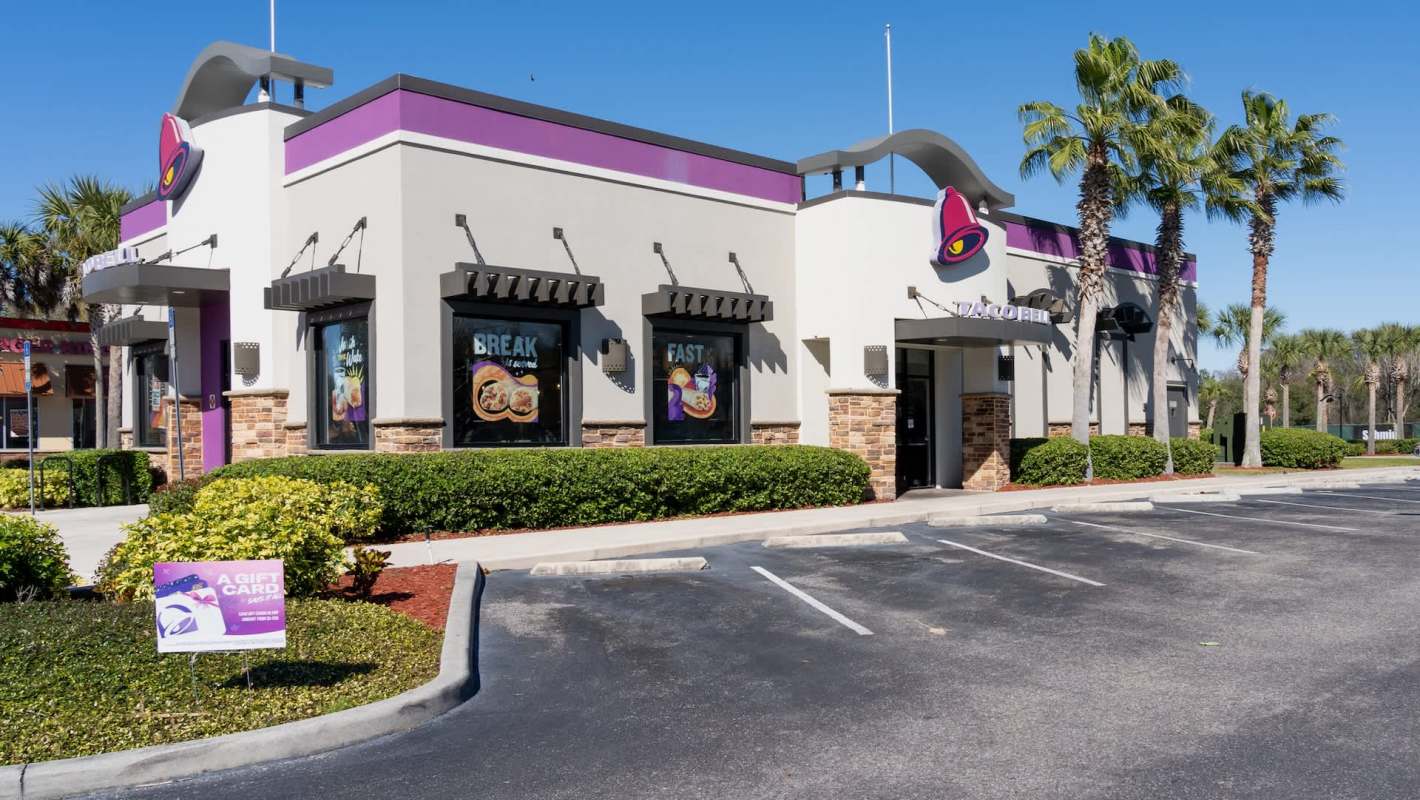
Concerns over a cyclospora outbreak are changing where Americans are choosing to eat, and not just at Taco Bell.
CNN reported that recent foot-traffic data suggests diners are becoming more cautious around restaurant chains known for lettuce-heavy menus.
What's happening?
Cyclospora is a parasite that can trigger gastrointestinal illness, and the outbreak under investigation has already affected thousands of people across the country.
In mid-July, Taco Bell reportedly began seeing fewer customers. Nationwide data from Placer.ai shows foot traffic dropped 16.9% on July 15 — before investigators linked lettuce served at some of its restaurants to the wider cyclospora outbreak, according to CNN.
Two days later, the U.S. Food and Drug Administration announced it had "identified convergence on a single supplier, Taylor Farms de Mexico, that provided shredded iceberg lettuce used by Taco Bell locations where sick people ate before becoming ill."
After that, foot traffic at Taco Bell decreased by nearly 19%, per CNN.
TCD Picks » Quince Spotlight
💡These best-sellers from Quince deliver affordable, sustainable luxury for all




The slump wasn't limited to just one chain restaurant, though.
Chopt recorded declines of 10.9% on July 16 and 14.3% on July 17, while Subway was down 19.2% on July 16 compared with its pre-outbreak daily average. Cava, Chipotle, and Panera Bread also posted declines, though each remained under 10% over the same period.
Why does it matter?
A single ingredient can move through a sprawling supply chain and end up in meals sold by multiple brands, meaning one breakdown can send ripples across the market.
When fresh ingredients such as lettuce come under scrutiny, people may pull back from meals they would normally see as convenient or healthy, especially at salad-focused or fast-casual chains.
Even before officials formally named Taco Bell, the chain was already seeing a notable decline in visits, suggesting many people were reacting to the possibility of a link before confirmation arrived.
At the same time, the broader restaurant industry has not experienced the same level of fallout.
Fast-casual and quick-service restaurants overall were down just 1.1% and 1.9% on July 17, respectively, versus daily averages, according to CNN, indicating that the public response appears concentrated around chains associated with lettuce-heavy menus.
What's being done?
Restaurant brands are under pressure to reassure customers about ingredient sourcing and food safety practices.
Taco Bell has responded by removing the suspect lettuce, while other chains have either said that their ingredients are not connected to the outbreak or declined to comment publicly.
"We are continuing to follow the cyclospora investigation very closely, and at this time, we don't believe the ingredients we source are associated," Chipotle's chief corporate affairs and food safety office told CNN. Cava and Panera did not respond to CNN's inquiries.

Get TCD's free newsletters for easy tips, smart advice, and a chance to earn $5,000 toward home upgrades. To see more stories like this one, change your Google preferences here.






