


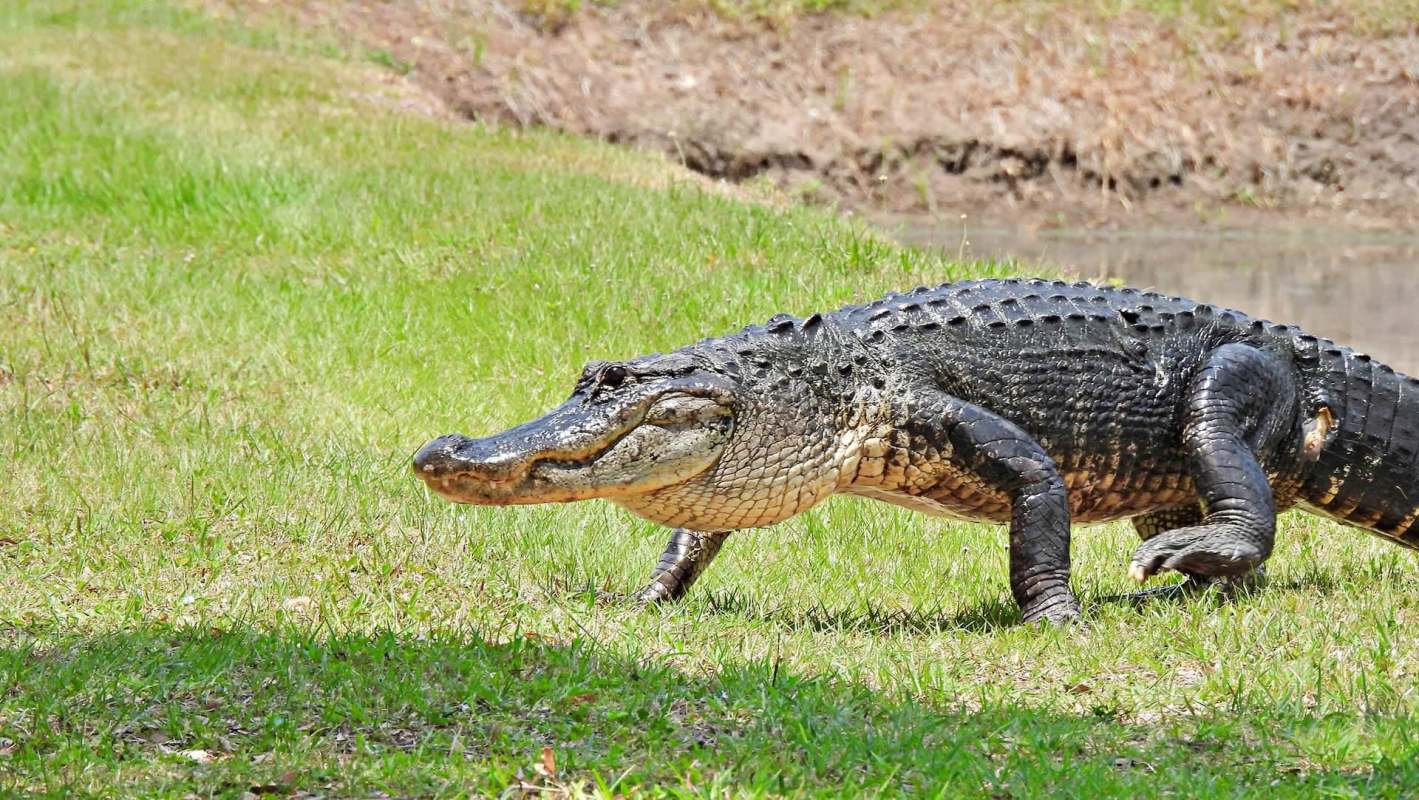
A routine look at a longtime neighborhood alligator turned into a frightening escape for a couple in Freeport, Texas, after the reptile suddenly rushed their four-wheeler near a pond by a golf course.
The incident is a sharp reminder that even familiar wild animals can behave unpredictably when people and habitat overlap so closely.
What happened?
According to KHOU, Carol Jansky said she and her husband traveled on a four-wheeler to a pond near the Freeport Golf Course, where the alligator has lived for years.
She said the encounter changed when they reached the pond's edge. The gator came out of the water, headed toward them, and then sped up, sending the couple speeding off, too, in a jolt that nearly threw Jansky from her seat.
The reaction surprised them, Jansky said, because they don't feed the alligator and hadn't seen it act aggressively before.
Why does it matter?
Human activity can play a role in encounters like this, even when no one is intentionally disturbing or feeding an animal. Regular traffic from golfers, riders, and nearby residents can normalize human presence near a pond, while the spread of neighborhoods, roads, and manicured water features leaves wildlife with fewer undisturbed places.
TCD Picks » Quince Spotlight
💡These best-sellers from Quince deliver affordable, sustainable luxury for all




That overlap can create the kind of tension described by BBC Future, where researchers note that animals are often responding to stress, surprise, or proximity rather than acting out of simple aggression.
Encounters like this have become more common as development pushes farther into alligator habitat along the Gulf Coast.
What can I do?
If you live near ponds, canals, golf courses, or retention basins in alligator country, give the animal plenty of space and avoid treating sightings like casual neighborhood check-ins. Stay back from the water's edge, especially if an animal is partly submerged and hard to read.
It also helps to avoid actions that can change an animal's behavior over time. Don't feed alligators, don't leave food scraps nearby, and keep pets away from shorelines where sudden movement can trigger a chase response.
Wildlife officials have made a similar point elsewhere: Feeding alligators or leaving food scraps behind can make them less wary of people, raising the odds of an encounter like the one in Freeport.
Communities can reduce risk by posting clear warning signs, reporting unusual animal behavior, and designing shared spaces with wildlife in mind. That doesn't eliminate encounters, but it can reduce the chances that a routine outing becomes a dangerous one.

Get TCD's free newsletters for easy tips, smart advice, and a chance to earn $5,000 toward home upgrades. To see more stories like this one, change your Google preferences here.







