


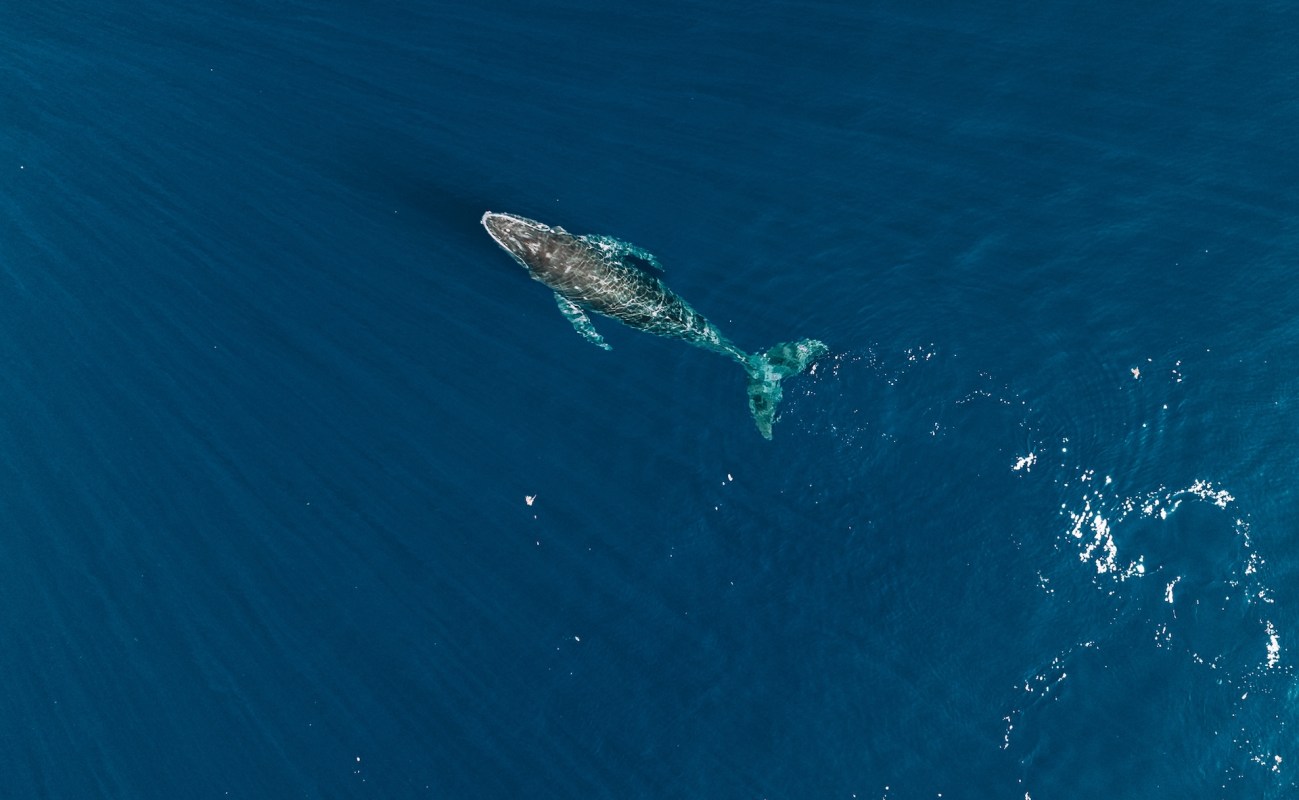
Starry Knight, a humpback whale that survived two severe entanglements last year, is back in Canada's Salish Sea after going unseen for more than 10 months, to the relief of local whale watchers.
What happened?
Vancouver Island Whale Watch said the humpback, known as Starry Knight, was spotted near Gabriola Island on July 14. According to CHEK News, the sighting came almost exactly one year after the whale's first reported entanglement.
During that earlier incident, reported on July 14, 2025, the whale had more than 200 feet of line wrapped around it. The Washington-based Cascadia Research Collective said Starry Knight was facing a "life-threatening entanglement" before the animal was eventually freed.
Starry Knight was entangled again on Aug. 21, in nearly the same area and in very similar circumstances. Vancouver Island Whale Watch said the whale suffered severe injuries to the peduncle, the powerful area before the tail, and the flukes, and observers were uncertain whether it would survive the season.
Why does it matter?
Entanglements are one of the clearest examples of how everyday human activity can harm marine animals, especially through discarded or active fishing gear. For whales, rope and line can cut deep into tissue, restrict movement, drain energy, and make feeding or migration much more difficult.
Humpback whales are part of the ecological identity of the Salish Sea, and they also support local tourism, research, and public interest in protecting ocean habitats.
TCD Picks » Quince Spotlight
💡These best-sellers from Quince deliver affordable, sustainable luxury for all




A whale like Starry Knight, who carries visible scars from two close calls, can also change scientific understanding of the ocean. Sightings like this one give researchers a rare chance to track how a whale heals and adapts after a serious injury.
What's being done?
Groups across the Pacific Northwest already monitor whales, report entanglements, and coordinate rescue efforts when conditions allow. These networks of tour operators, researchers, and marine responders can be critical, since rapid reporting often gives experts the best chance to intervene before injuries worsen.
Preventing future entanglements is just as important as rescue. That can include better gear tracking, stronger retrieval programs for lost equipment, and continued education for boaters and fishers on how to report a whale in distress without putting themselves or the animal in greater danger.
Supporting organizations that protect marine habitats, following wildlife-viewing rules on the water, and properly disposing of fishing line and other gear can help reduce the risk of another whale ending up in the same kind of dangerous situation. A humpback off Newfoundland freed from a similarly severe entanglement this month shows how quickly reports from tour operators can get rescue teams to a struggling whale.
"We are ecstatic to see Starry Knight back in our area and looking well," said Cheyenne Brewster of Vancouver Island Whale Watch.

Get TCD's free newsletters for easy tips, smart advice, and a chance to earn $5,000 toward home upgrades. To see more stories like this one, change your Google preferences here.







