


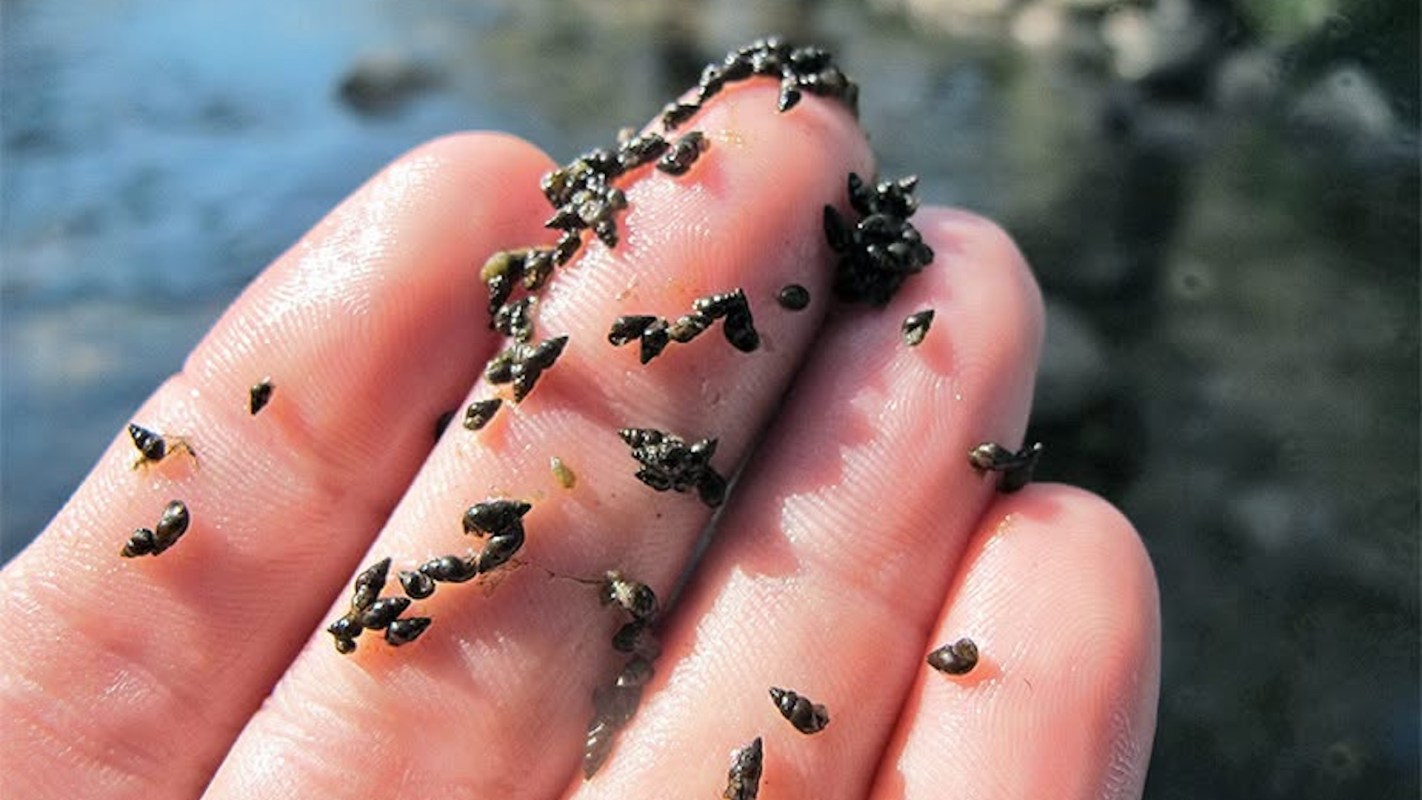
A tiny invasive snail has prompted a rapid response in western Wisconsin, where local officials are working to protect prized trout streams before the pest spreads further.
After the snails were found in Vernon County's Seas Branch watershed, officials began seeking grant support, coordinating with local conservation groups and urging anglers to help keep the pest from hitchhiking into nearby waters.
What happened?
This spring, Vernon County conservation officials said New Zealand mud snails turned up in the Seas Branch watershed, an area known for trout fishing.
The county's Conservation and Education Committee then supported an application for $8,100 in early detection and response funding from the Wisconsin Department of Natural Resources, according to VernonReporter.com.
County Conservationist David Hettenbach said the first sighting came in mid-May, when an angler noticed the snails above the Seas Branch Dam.
"We have got a lot of great anglers in the county that are passionate about their trout streams, and so when they see something that they have not seen before, this angler found something and reported it to the president of the Coulee Region Trout Unlimited chapter," Hettenbach said, per VernonReporter.com.
TCD Picks » Quince Spotlight
💡These best-sellers from Quince deliver affordable, sustainable luxury for all




Vernon County plans to carry out the effort with the West Fork Sports Club and the Coulee Region chapter of Trout Unlimited, which would provide the required 25% match so no county funding is needed.
Why does it matter?
Despite their size, New Zealand mud snails are seen as a serious ecological risk.
Hettenbach said the threat to trout comes from the way the snails disrupt the food web.
"I think that they eat a lot of vegetation that fish would normally eat, and so they kind of can outcompete them," he said.
Hettenbach told the committee that the West Fork watershed is already dealing with heat stress tied to the breached Jersey Valley Dam, where shallow pooled water warms quickly in summer before moving downstream.
What's being done?
Preventing the snails from being carried from one fishing spot to another on gear is the core strategy.
If the grant is approved, it would fund 20 boot-brush stations and signs at DNR public fishing easements in the Seas Branch watershed and priority sites along the West Fork Kickapoo River.
"The idea would be to minimize the spread and these boot-brush stations and things the main way to do that is to have anglers clean their equipment between going because they are the ones that carry them from fishing site to fishing site," Hettenbach said.
The proposal also calls for social media outreach, public education and volunteer training. La Crosse County said it could provide staff focused on aquatic invasive species to coach local volunteers on early-detection steps; after that, those volunteers could check streams and log discoveries in a state database.
"This would require no financial investment from the county," Hettenbach said. "We cannot be out there and watch them and monitor them every day. We cannot get them all, and we cannot make them do it, but it is just to encourage that behavior."

Get TCD's free newsletters for easy tips, smart advice, and a chance to earn $5,000 toward home upgrades. To see more stories like this one, change your Google preferences here.







