


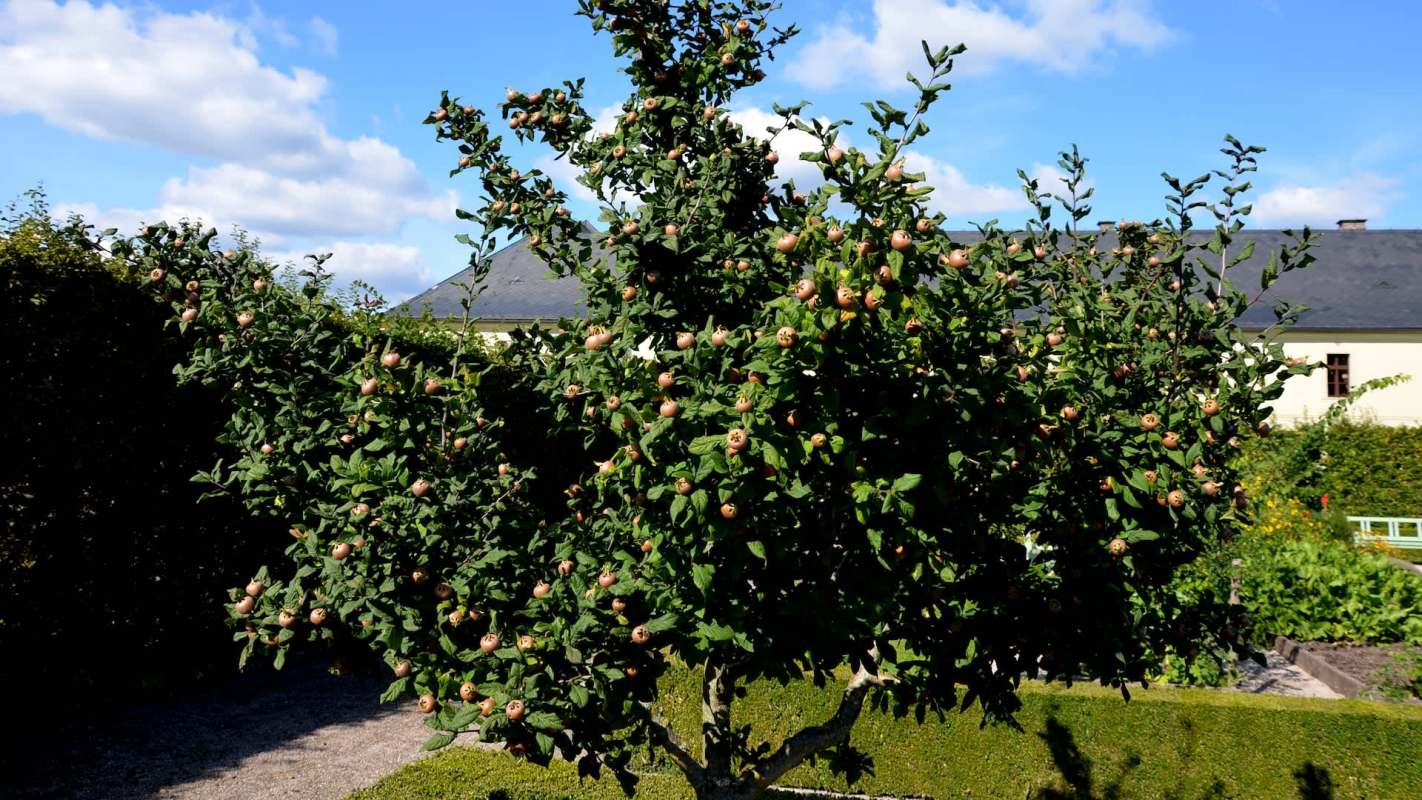
Middlesbrough is home to a newly noted grouping of medlar trees, a once-familiar British fruit variety that had come close to disappearing, and the find may help revive both a neglected crop and a strand of local history with present-day community value.
What's happening?
At the former Nature's World site in Acklam, horticulturalists found established medlar trees. The discovery was unexpected because this uncommon fruit had mostly faded from use in Britain many years ago, according to Wyoming News.
In medieval households, medlars were important during the colder months, when other fresh fruit was less available. The fruit also became known by the nickname "open-a--e," a label tied to William Shakespeare.
Medlars are unusual because ripening on the tree does not mean they are ready to eat. Consuming them too soon can lead to nausea and diarrhea, so they have to go through bletting first, a stage in which the fruit turns brown, softens, and takes on an almost rotten look as starch changes into sugar.
That process contributed to the fruit's popularity in the 1600s, when it was used in preserves, tarts, and medlar cheese, before shifting tastes sidelined it in the 1950s.
Why does it matter?
Finding mature medlar trees in good condition offers a rare chance to preserve a crop that once played a practical role in feeding communities.
TCD Picks » Quince Spotlight
💡These best-sellers from Quince deliver affordable, sustainable luxury for all




Conserving heritage fruit trees can also help diversify local food systems. Rather than relying on a narrow range of common produce, communities can keep older varieties in circulation, preserve horticultural knowledge, and create more opportunities for locally grown food.
There is also a cultural benefit. Medlars connect present-day growers and residents with centuries of British food history, showing how earlier generations adapted to seasonal eating long before supermarkets made identical fruit available year-round.
What's being done?
Matthew Wilson, Middlesbrough Environment City's Horticulturist Lead, now wants to propagate the trees by taking cuttings, so the discovery can lead to more medlars being grown instead of remaining an isolated curiosity, according to Wyoming News.
The fruit is set to be distributed through nearby eco shops that operate in a food-bank-like role, giving the preservation work a practical benefit for the community.
"It's been on site for a long time, the trees are mature now…" Wilson said. "They're so interesting, they're hundreds of years old as a species and a lot of the reason they're still here is because they're pretty easy to cultivate."

Get TCD's free newsletters for easy tips, smart advice, and a chance to earn $5,000 toward home upgrades. To see more stories like this one, change your Google preferences here.







