


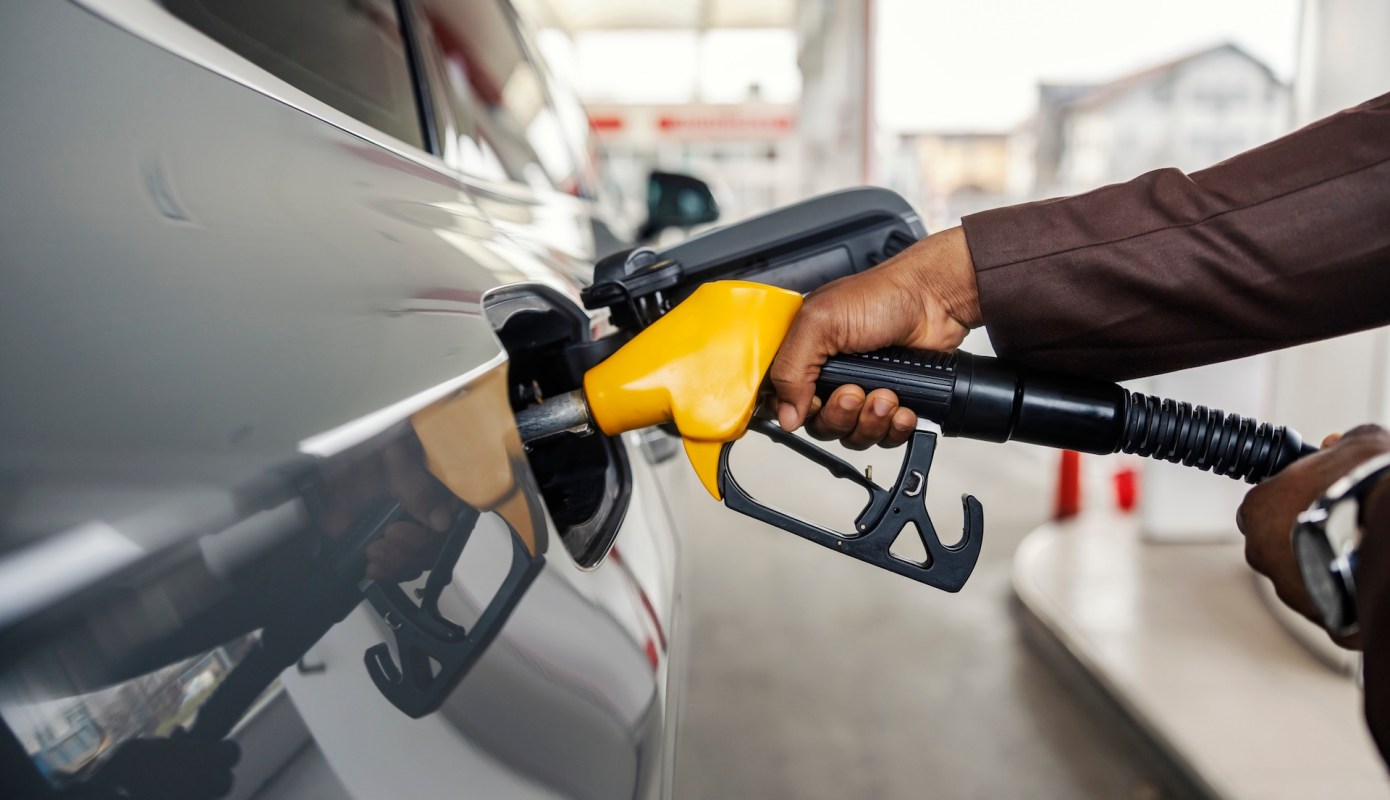
Riverside County drivers are seeing another sharp jump at the pump, with the average price of self-serve regular gasoline climbing for a fourth consecutive day Saturday. The increase pushed the countywide average to $5.353 per gallon.
The painful streak of price hikes comes at a time when households are already grappling with higher summer expenses, and relief doesn't seem to be coming anytime soon.
What's happening?
Over the last four days, Riverside County's average price for regular gas has climbed 11.8 cents, including a 3.7-cent increase in the most recent day. Compared with recent benchmarks, that leaves the average 10.4 cents above last week's level but 12.5 cents below where it was a month ago.
Data from AAA and Oil Price Information Service show the current Riverside County average is $1.016 higher than it was a year ago. It also increased 80.2 cents above the level recorded when the joint U.S./Israel attack on Iran began on Feb. 28.
Regular gas prices are moving higher nationally as well. The U.S. average reached $3.992 after rising 1.1 cents, and the country has now logged four straight days of increases totaling 13.3 cents, according to MyNewsLA.
Why does it matter?
Higher fuel costs can strain household budgets, raise shipping and transportation expenses, and make routine travel more expensive.
Gasoline volatility is also tied to problems associated with fossil fuels. Higher gas prices are linked to higher household energy costs as well, because most energy is produced using gas. Coal and natural gas power plants also contribute to air and water pollution linked to asthma, heart disease, cancer, and premature death.
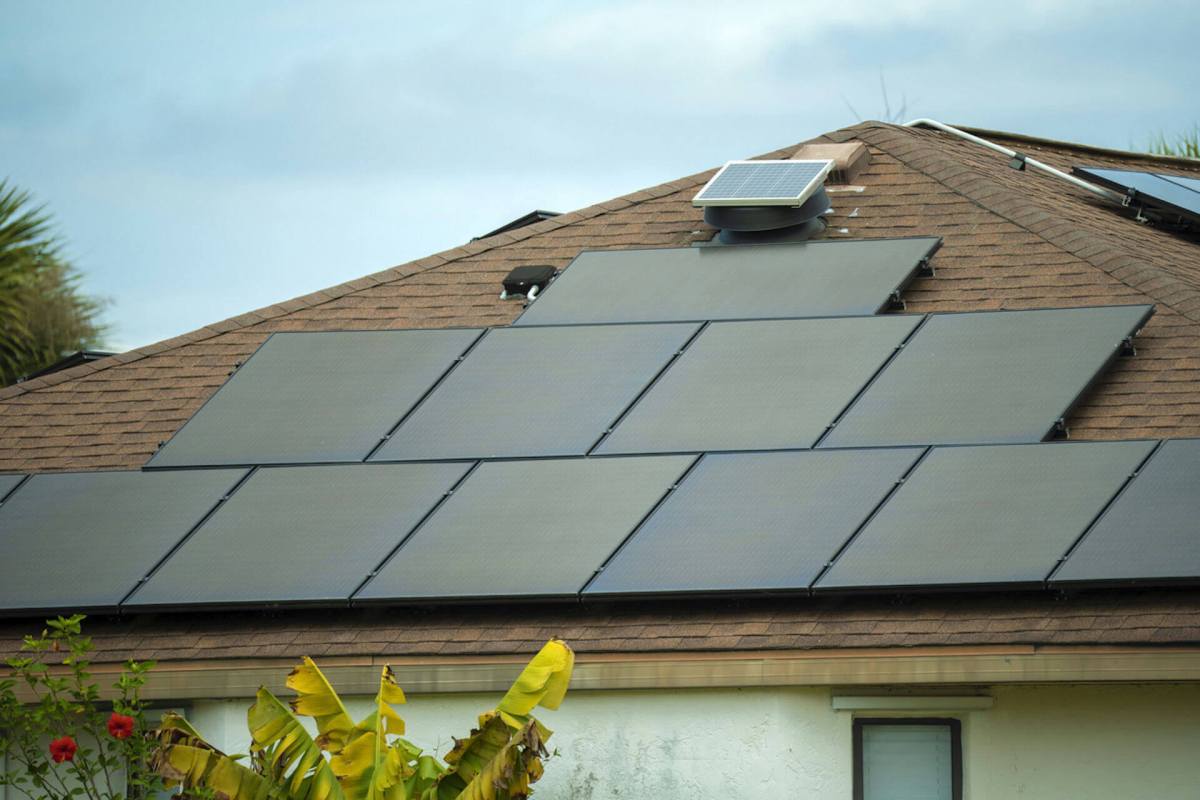
Continued reliance on oil and gas can keep household energy costs elevated instead of shifting toward more abundant sources such as sunlight and wind. Going solar is one of the best ways to save money on home energy. You can explore free tools from EnergySage to get quick solar installation estimates and compare quotes.
Save $10,000 on solar panels without even sharing your phone number Want to go solar but not sure who to trust? EnergySage has your back with free and transparent quotes from fully vetted providers that can help you save as much as $10k on installation. To get started, just answer a few questions about your home — no phone number required. Within a day or two, EnergySage will email you the best local options for your needs, and their expert advisers can help you compare quotes and pick a winner. |

What can I do?
There is little individual drivers can do to influence global oil prices, but there are practical ways to lessen the impact. Grouping errands together, keeping tires properly inflated, using public transit when possible, and choosing more fuel-efficient vehicles can all help reduce gasoline use over time.
For households seeking a longer-term buffer, going solar and using EVs or plug-in hybrid vehicles provides energy savings and a shield from external volatility.
The average person can save up to $10,000 on solar purchases and installations using EnergySage's tools. If you want to check out options in your area, EnergySage's solar map shows the average cost of a home solar panel system on a state-by-state level, as well as details on solar panel incentives for each state.
Additionally, adding battery storage to a solar setup is one of the best ways to protect your home during outages and go off-grid. Explore information about home battery storage options, including competitive installation estimates with free tools from EnergySage.
More From EnergySage
💡Go deep on the latest news and trends shaping the residential solar landscape


Kandace Redd, identified by MyNewsLA as a senior public affairs specialist with the Automobile Club of Southern California, summed up the somewhat bleak outlook: "As long as traffic is significantly disrupted in the Strait of Hormuz, we can expect oil prices to remain higher or increase, which will push up prices at the pump."

Get TCD's free newsletters for easy tips, smart advice, and a chance to earn $5,000 toward home upgrades. To see more stories like this one, change your Google preferences here.






