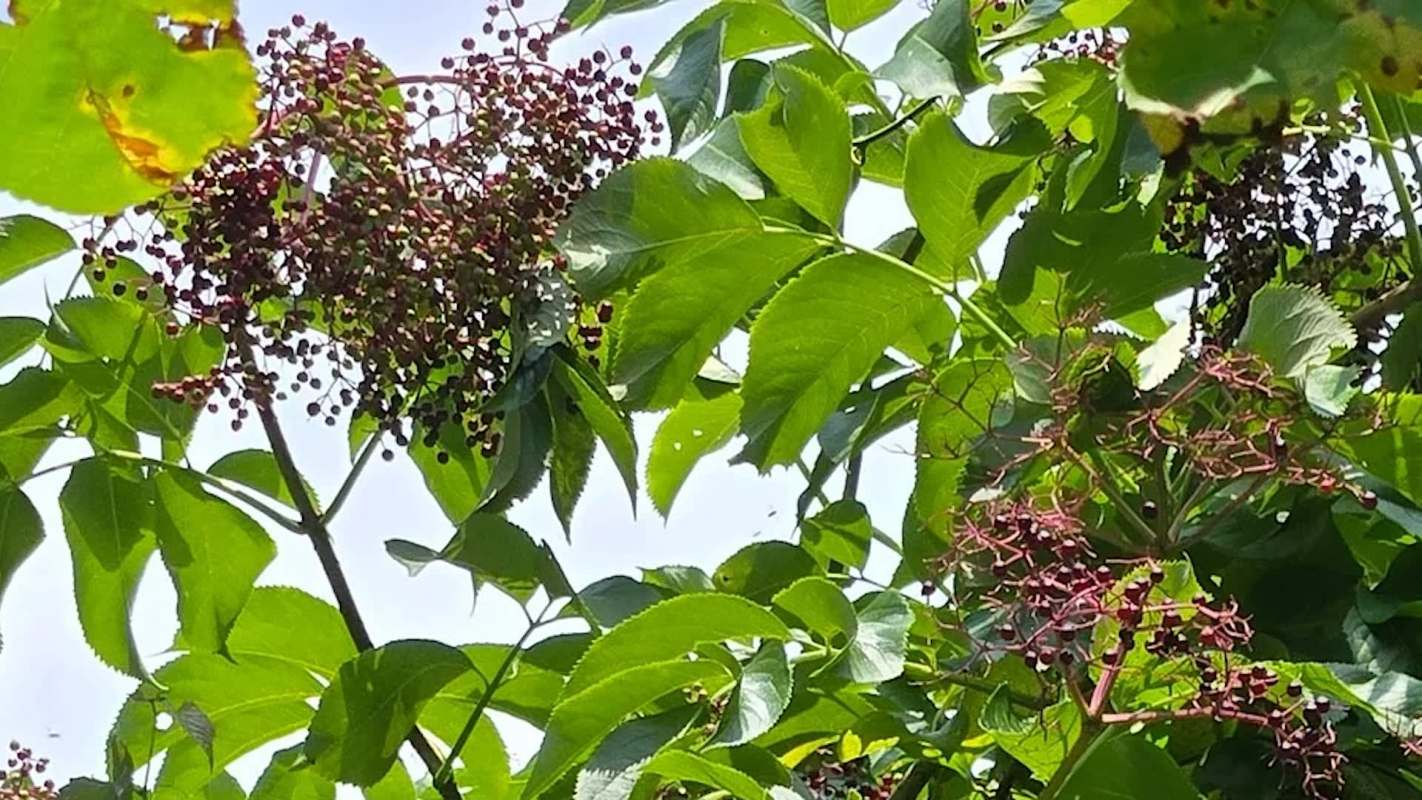
A trip through a thorny blackberry patch turned into an unexpected free-food jackpot when one foraging enthusiast spotted wild elderberries hiding deeper inside the bramble near a tiny stream ditch.
The forager took extra steps to confirm the plant was not water hemlock, a poisonous lookalike.
What happened?
The sighting was a first for the poster, who said the plants were beside "a tiny, tiny stream ditch." They introduced the discovery by writing, "Elderberries!! I couldn't see them beyond the massive blackberry bramble patch until I ventured inside."
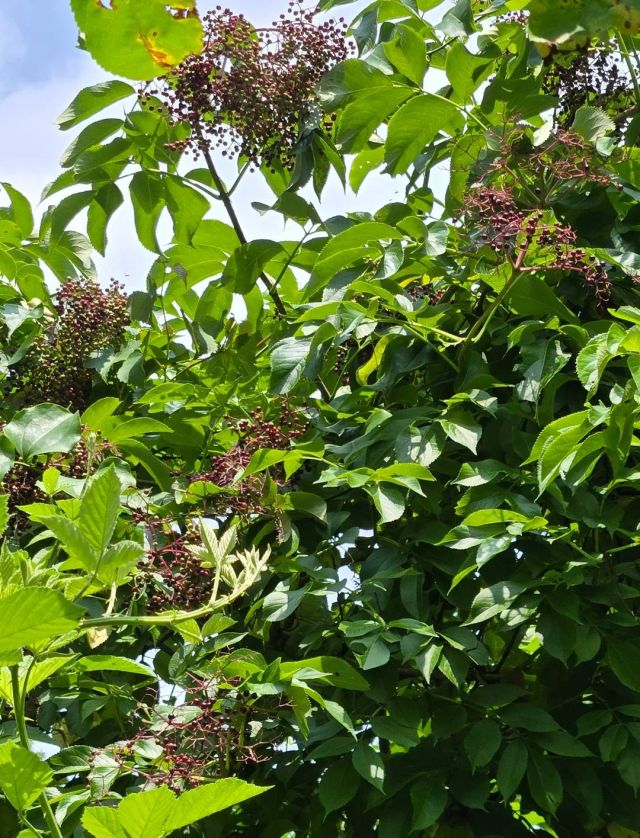
The poster also stressed caution in the Reddit post, writing, "I don't plan on harvesting them until they're completely ripened (ofc) but I double and triple checked that it's not water hemlock."
As part of that identification, they pointed to its "woody stem" and "lightly serrated leaves" and said they were "fairly certain water hemlock doesn't even grow berries."
Commenters offered practical feedback. One wrote, "Once elderberries establish they'll keep popping up around you, that stream ditch is perfect for them. Nice hidden jackpot back there."
TCD Picks » Quince Spotlight
💡These best-sellers from Quince deliver affordable, sustainable luxury for all




Why does it matter?
Finding edible fruit growing wild can mean access to free ingredients for syrups, jams, crumbles, and more — provided the plant is correctly identified and harvested responsibly. However, it is important to be careful not to consume raw elderberries, as they can cause gastrointestinal distress because they contain cyanogenic glycosides. According to Stark Bro's, once the elderberries are cooked, they can be safely consumed.
The story also shows how foraging can be a low-cost and enjoyable hobby. For people who already hike, garden, or spend time outdoors, learning a few local edible plants can add another practical layer to those activities without requiring major lifestyle changes.
The careful mention of water hemlock is a reminder that wild food should never be guessed at.
That growing interest in practical, nature-based food habits has shown up in other stories too, including people turning overlooked backyard plants into useful harvests and communities swapping tips on growing food at home with fewer inputs, such as pruning tips for growing chives at home instead of taking trips to the grocery store.
What can I do?
If you're interested in foraging, start small. Focus on one or two easy-to-recognize plants in your area, use multiple identification sources, and put safety first by avoiding eating anything unless you are 100% sure what it is. When possible, check with an experienced local forager or native plant group.
It also helps to wait for the right stage of ripeness, just as this poster plans to do. Rushing a harvest can affect flavor and safety, and taking only what you need leaves plenty behind for wildlife and future growth.
Even if you never forage, there is a useful lesson here for gardeners. Commenters suggested elderberries can establish themselves well in damp spots.
One wrote, "Yes! Elderberry is great. I have a small one in my garden now from a branch I accidentally broke off while harvesting last year!" They added that these berries can be a tasty addition for cooking "syrup, jam, crumbles, and wine."
The replies also included ideas for how a single patch can go a long way. One commenter said, "Score! Elderberries are among my favorite. My kids (and myself) love the elderberry syrup I make for winter cold/flu season."

Get TCD's free newsletters for easy tips, smart advice, and a chance to earn $5,000 toward home upgrades. To see more stories like this one, change your Google preferences here.