


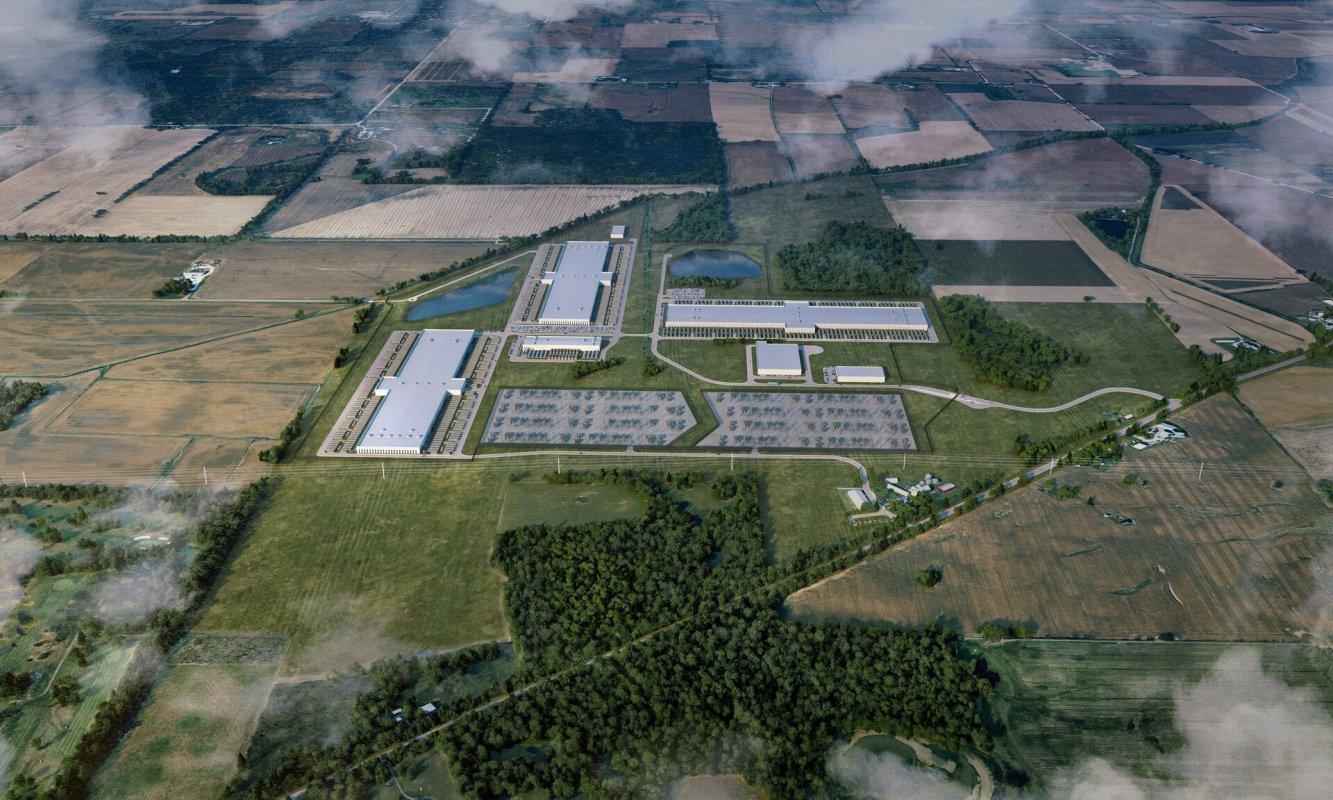
A proposed $16 billion AI data center in rural Michigan is a vivid example of how the fast-growing AI boom is affecting land use.
As The Roanoke Times reported, in Saline Township, local resistance initially helped block the massive project — but a lawsuit later cleared a path forward.
What happened?
The construction of a $16 billion data center development project slated to span more than 250 acres of Saline Township land has continued apace despite sustained local opposition.
The infrastructure buildout being driven by the AI race depends on enormous computing power and sprawling campuses packed with servers, cooling systems, and electrical equipment.
Decisions on construction projects once viewed purely as local zoning issues are increasingly being linked to national competition over technology, energy, and economic development.
Tammie Bruneau helped organize local opposition to the project, dubbed "The Barn" by large AI firms.
TCD Picks » Quince Spotlight
💡These best-sellers from Quince deliver affordable, sustainable luxury for all




"Most people aren't interested in some massive development here," Bruneau said. "They're interested in protecting the farmland."
Why does it matter?
According to The Roanoke Times, Saline Township's board voted 4-1 to block the construction of the massive data center in September.
"Two days later, the developers and landowners sued the township," the Times reported. "Facing costly litigation, officials reached a consent judgment in October allowing construction to proceed."
A large project can reshape daily life, and the situation in Saline Township showed how big tech firms can steamroll or even neutralize municipal decision-making.
Large data centers can affect traffic, noise, land values, water use, and the overall character of a community, especially in places defined by open farmland rather than industrial campuses.
AI is also deeply tied to the energy grid. Training and running AI systems requires huge amounts of electricity, and the facilities that support them need significant water for cooling.
Higher power demand strains grids and raises electricity costs, while the huge water needs can deplete a vital resource. AI also raises security and misuse concerns, as well as other unintended consequences.
That tension is surfacing in more places as companies race to build the infrastructure behind AI tools. If those projects rely on cleaner power and smarter siting, they could bring jobs and tax revenue with fewer downsides. If not, communities will end up shouldering the environmental and financial burden.
What's being done?
Residents and local officials can ask detailed questions about electricity demand, water sourcing, backup generators, transmission upgrades, tax incentives, and how many long-term jobs a project will actually create.
Meanwhile, policymakers can require stronger efficiency standards, cleaner power procurement, better water management plans, and clearer community benefits so residents are not left absorbing the costs while companies capture the gains.
According to The Roanoke Times, local opponents to "The Barn" moved to challenge the data center developers "in court."
Bruneau told the outlet that opposition to local data centers is bipartisan and that residents were frustrated about the AI firms' ability to overrule local lawmakers' votes.
"We really just didn't think it was fair that our board got forced into this position," she said. "We've met people from extreme right and left, and all the way in the middle."

Get TCD's free newsletters for easy tips, smart advice, and a chance to earn $5,000 toward home upgrades. To see more stories like this one, change your Google preferences here.






