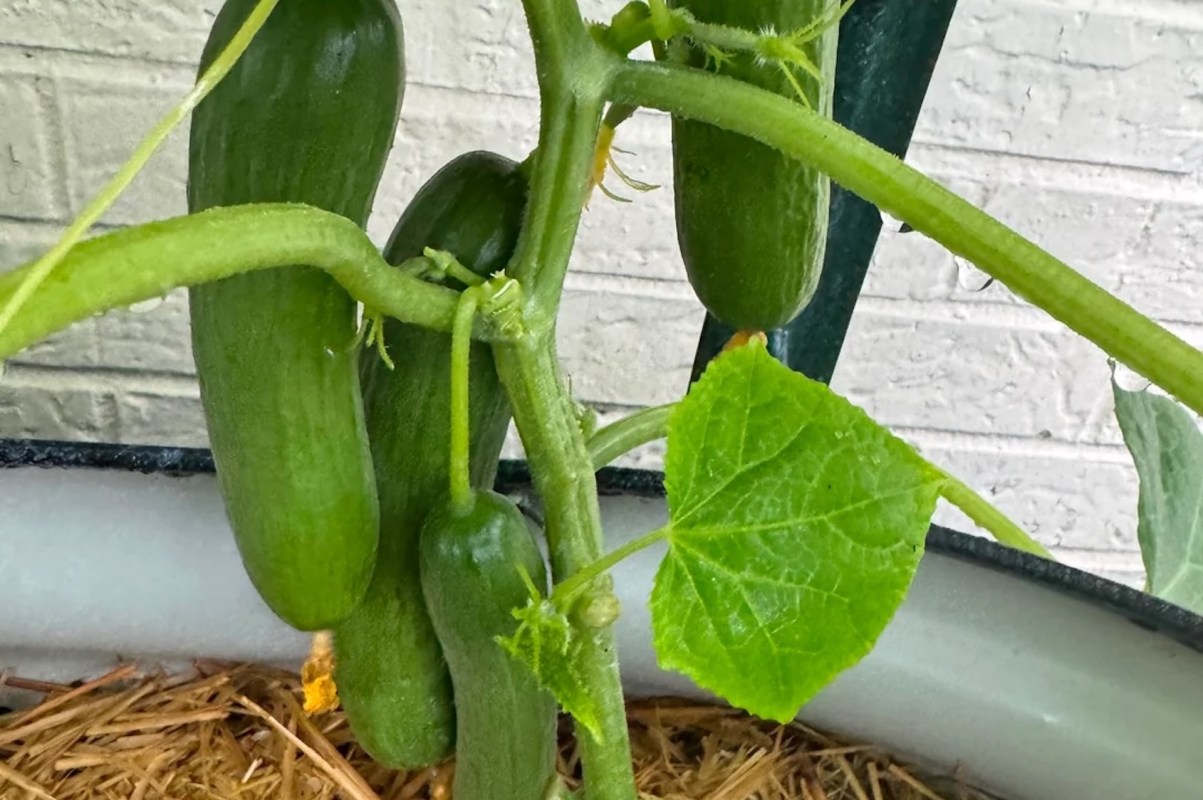
When summer temperatures spike, cucumbers can quickly become one of the most frustrating crops in the garden, with production dropping or fruit failing to form.
But one gardener said switching to a different variety turned a disappointing season into a surprisingly productive one, even as daily temperatures climbed into the mid-90s.
What happened?
After repeated pollination problems during hot weather, a gardener in Zone 9b turned to a parthenocarpic cucumber (which doesn't require pollination) and shared the result in a Reddit post.
"I was so tired of failed pollination I decided to look into parthenocarpic cucumbers," they said.
They shared images of the "prolific producer" with around 20 growing cucumbers attached.
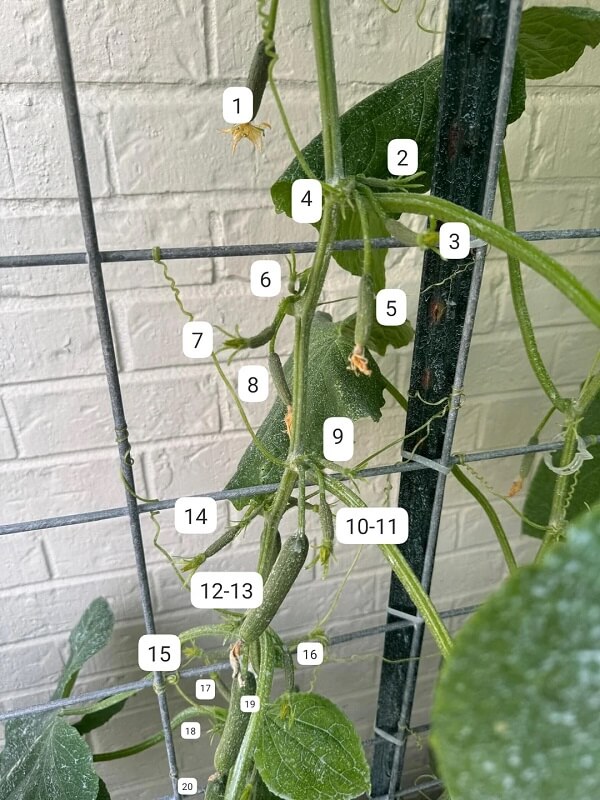
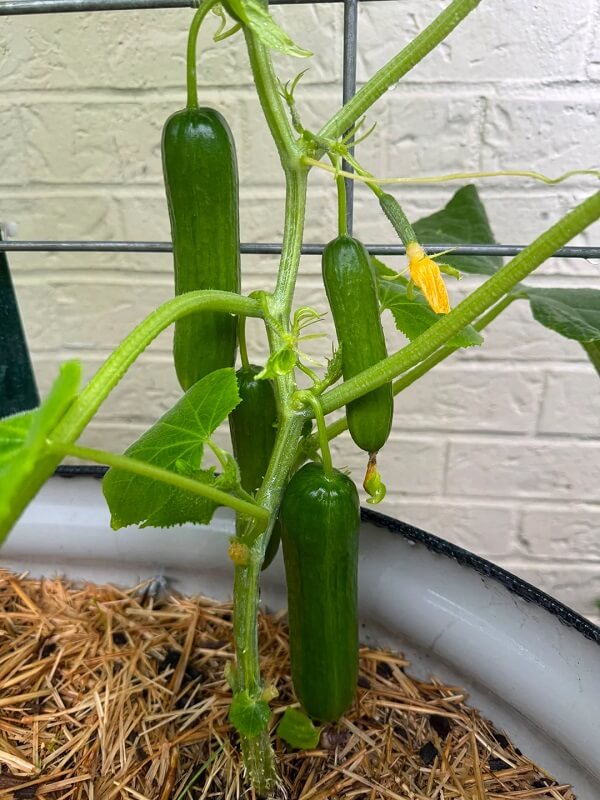
By mid-July, the Katrina cucumbers were already "producing like crazy," the gardener said, despite daily temperatures of 95 degrees Fahrenheit. The seeds had been sown in early June when conditions were around 85 degrees, and the variety had been selected because it was advertised as heat-tolerant.
TCD Picks » Quince Spotlight
💡These best-sellers from Quince deliver affordable, sustainable luxury for all




The gardener praised the harvest as "very crispy and juicy, every fruit came out looking like the magazine."
Yet there were still a few signs of strain. Older leaves had some burn, and the vines dropped some fruit when fertilizer was too light or when they were carrying too much at once. Even so, production overall remained strong.
Other gardeners chimed in about how they were dealing with intense summer heat. One commenter wrote, "I have to get some of these. My cukes did not take well to the last heat wave."
Another added, "I'm growing this variety this year! It's been great."
Why does it matter?
Heat-tolerant crops can mean the difference between a wasted season and weeks of fresh food. When extreme temperatures interfere with pollination, a parthenocarpic variety, which can produce fruit without pollinators, can offer a simple workaround.
That can become even more important as hotter summers make food growing less predictable in many places. A cucumber plant that keeps producing through heat waves can help households stretch grocery budgets, especially as fresh produce prices remain high.
Homegrown vegetables can also offer better flavor, since they go straight from the garden to the kitchen without long periods in storage or transit.
Gardening can provide other benefits as well. Spending time tending plants gets people outdoors, keeps them moving, and can help build routines that support mental well-being and reduce stress.

Get TCD's free newsletters for easy tips, smart advice, and a chance to earn $5,000 toward home upgrades. To see more stories like this one, change your Google preferences here.