


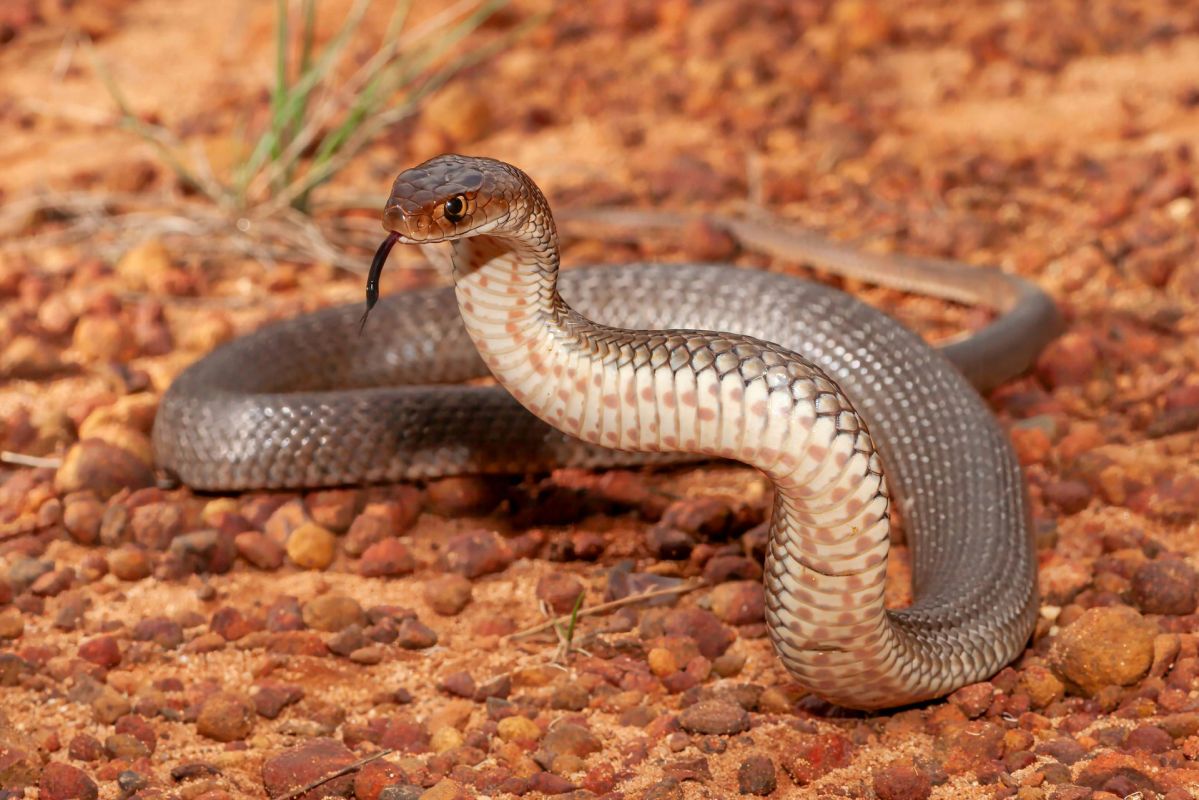
An encounter with a six-and-a-half-foot eastern brown snake quickly turned a scenic bike ride on a northern New South Wales rail trail into a medical emergency when the cyclist accidentally ran over the animal and was bitten as it tangled in the chain.
The woman, who is in her 60s, was taken to the hospital in stable condition and released the following morning — this incident showing how suddenly wildlife incidents can arise during outdoor activity.
What happened?
According to the Independent, the incident happened at about 1 p.m. Wednesday on the Northern Rivers Rail Trail near Burringbar, roughly 20.5 miles from Byron Bay.
After the bite, paramedics took the woman to Tweed Valley Hospital, NSW Ambulance said, and the Northern NSW Local Health District later said she was discharged Thursday morning.
Although deaths are still uncommon, eastern brown snakes are considered to be one of the most venomous snakes worldwide, and these snakes are most often associated with fatal snakebites in Australia.
After the snake became lodged in the bicycle chain, Sarah Mailey, a venomous snake handler with I'll Catch It Snake Relocations, was called in.
TCD Picks » Quince Spotlight
💡These best-sellers from Quince deliver affordable, sustainable luxury for all




Mailey said she believed the cyclist had unknowingly ridden over the snake while it was resting near the trail edge, flipping its body up into the chain while leaving its head free. Eastern brown snakes often curl up and remain motionless, making them look like just a branch or a leaf at a quick glance.
Because the head could still move and bite anyone close enough, people nearby remained at risk until the animal was freed. Mailey restrained it while police and bystanders helped untangle the snake.
Why does it matter?
Rail trails, walking paths, and other outdoor recreation spaces often bring people deeper into habitat that native species still depend on.
That can create split-second situations like this one, in which neither the rider nor the snake appears to have intended the encounter.
In Mailey's view, eastern brown snakes are not aggressive so much as defensive when they feel threatened.
Many attacks happen because animals are startled, cornered, or injured as human movement expands into their space, as explored in this look at why wild animals attack humans.
What can I do?
Before setting out, Mailey said trail users should carry a compression bandage and know snakebite first aid.
People should avoid trying to catch or kill a snake, keep the bitten person as still as possible, and seek emergency help immediately.
Staying alert near trail edges, avoiding tall grass, and giving any snake plenty of space can lower the risk of startling an animal that may be basking or resting nearby. It's also advised to not touch or handle animals you can't identify — as one gardener learned after picking up what they didn't know was likely a venomous short-tailed shrew while mowing the lawn.
Describing the aftermath to news.com.au, Mailey said, "Once they could help me untangle it I had to contain the snake, put it in a bag, take it away, and unfortunately euthanise it due to the extent of the injuries."

Get TCD's free newsletters for easy tips, smart advice, and a chance to earn $5,000 toward home upgrades. To see more stories like this one, change your Google preferences here.







