


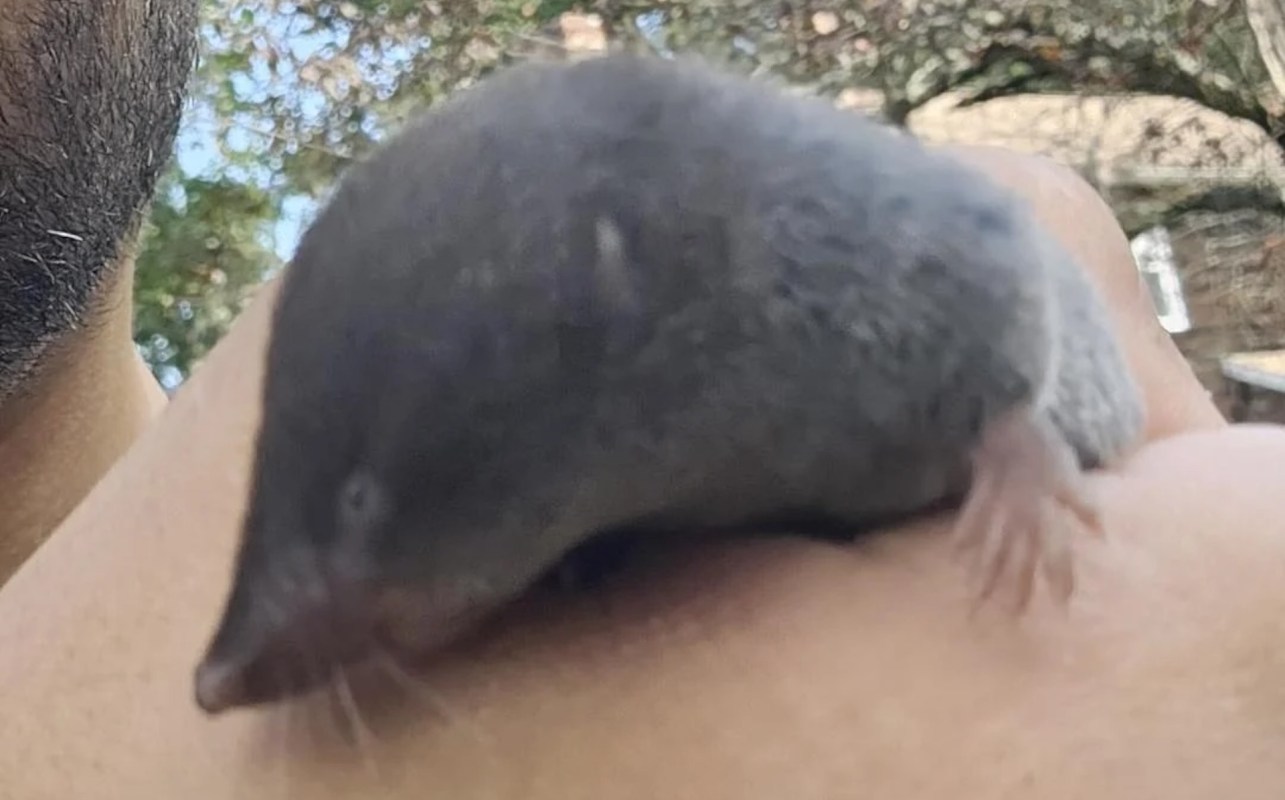
A close call during lawn work turned into a cautionary tale about wildlife handling.
What happened?
A tiny burrowing animal had moved into the gardener's path while mowing the grass, and he picked it up to take a photo. However, after sharing it on Reddit, he soon found out it might have been a venomous mammal.
Commenters shared their identification of the creature, as well as a warning.
One person wrote, "Looks like a short-tailed shrew, a venomous mammal. Probably not a great idea to handle with bare hands. It can't kill you, but it can certainly hurt."
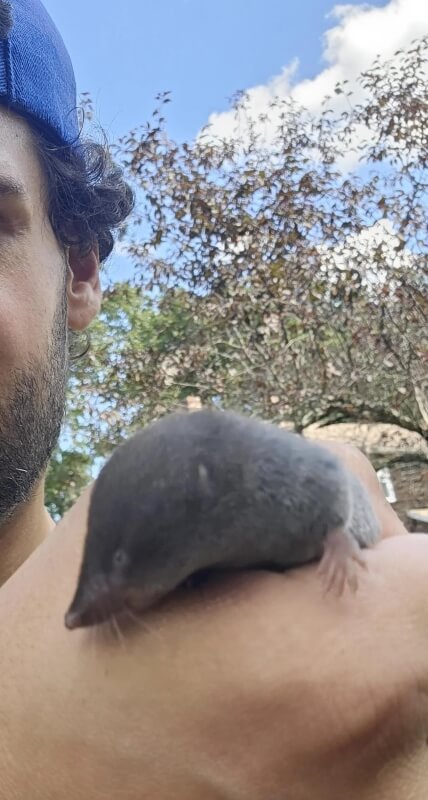
The original poster responded, saying their decision was meant to protect the animal.
"Oh wow, it didn't bite!" they wrote. "Won't grab one again in the future. I just wanted to get him out of the danger zone while I was mowing."
TCD Picks » Quince Spotlight
💡These best-sellers from Quince deliver affordable, sustainable luxury for all




According to the National Park Service, shrews can transmit their venom by biting, which is especially useful when hunting prey.
Another commenter noted that shrews can also carry hantaviruses, adding a second concern beyond the possibility of a painful bite.
While the exact species can be hard to confirm from a single post, the exchange showed how easily an ordinary backyard chore can become a risky wildlife encounter.
Why does it matter?
People are increasingly sharing space with wild animals in lawns, gardens, and suburban edges that overlap with natural habitat. Managed landscapes and fragmented habitat often push wildlife into closer contact with people, especially in yards that border woods, brush, or overgrown areas.
A mower, trimmer, or leaf blower can suddenly expose a nest, burrow, or animal that had otherwise stayed hidden.
The danger can go both ways. A person may be bitten or exposed to disease, while the animal may be injured, stressed, or killed by equipment.
Encounters like this are not entirely random — they can be shaped in part by how humans use and alter outdoor spaces. Wild animals do not need to be large to pose a risk, and familiar places like backyards are not risk-free simply because they feel controlled.
What can I do?
If you spot a small animal while mowing or doing yardwork, the safest first step is to stop the equipment and give it space.
If the animal truly needs to be moved away from immediate danger, avoid using bare hands.
A pair of sturdy gloves, a shovel, or a container can create distance and reduce the risk of a bite. If the animal appears injured or trapped, contacting a local wildlife rehabilitator or animal control office is a better option than trying to handle it yourself.

Get TCD's free newsletters for easy tips, smart advice, and a chance to earn $5,000 toward home upgrades. To see more stories like this one, change your Google preferences here.







