


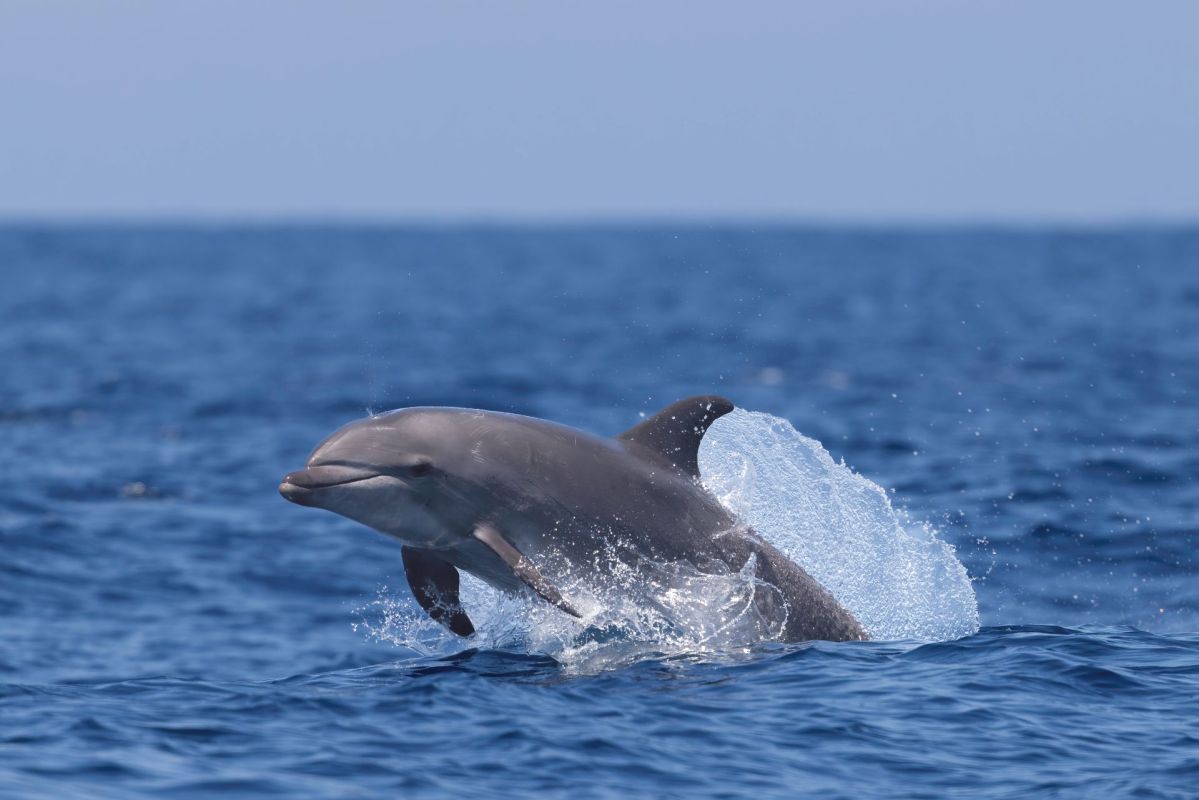
A day after dozens of dolphins were stranded on Cape Cod, rescue teams were back in action along the Massachusetts shoreline, successfully returning 19 more animals before the situation became worse.
The back-to-back rescues underscore both the vulnerability of marine wildlife in coastal environments and the importance of having trained responders on standby for when emergency situations arise.
What happened?
By late Tuesday morning, 19 bottlenose dolphins that had stranded between Brewster and Wellfleet were back in the water. 95.1 WXTK said the animals were found at three locations across a nine-mile stretch, and rescuers refloated all of them as the tide returned.
The dolphins were considered to be in decent condition, 95.1 WXTK reported, citing the International Fund for Animal Welfare.
Tuesday's rescues came after an even larger stranding the day before. On July 13, 95.1 WXTK reported that 34 dolphins were found in Brewster between First Light Beach and Ellis Landing Beach.
Rescuers responded to 53 stranded dolphins over two days.
TCD Picks » Quince Spotlight
💡These best-sellers from Quince deliver affordable, sustainable luxury for all




Why does it matter?
When dolphins become stranded, every minute matters. Out of the water, they can overheat, dehydrate, and suffer intense stress from their own weight, even if they appear calm from a distance.
Fast, coordinated intervention can mean the difference between survival and death. Other marine mammals have also faced risks with getting stuck on land, such as a dwarf sperm whale that was stranded on a beach in northern Taiwan but was thankfully able to be rescued in time and taken to a rehabilitation center.
Healthy marine mammal populations are part of healthy coastal ecosystems. Dolphins play an important role in a broader web of ocean life tied to tourism and environmental stability.
Conservation is a deeply local matter. Protecting wildlife helps preserve the character and natural richness of coastal communities while giving scientists more opportunities to understand why strandings happen and how to reduce future risks.
When trained teams, community awareness, and conservation groups work together, more animals can be saved.
What's being done?
Responders used the rising tide to return the stranded dolphins to the water after locating them across a broad stretch of coastline. That kind of rescue depends on timing, equipment, experience, and an understanding of animal behavior.
According to the International Fund for Animal Welfare, 95.1 WXTK said the dolphins were in decent condition.
The most helpful action is simple — report stranded marine mammals immediately to local authorities or rescue organizations, and keep a safe distance. Crowds can unintentionally increase stress for animals or interfere with trained responders.
95.1 WXTK said the International Fund for Animal Welfare reported the animals were in decent condition after responders went back out last Tuesday to refloat 19 more dolphins, one day after 34 had stranded on Monday.

Get TCD's free newsletters for easy tips, smart advice, and a chance to earn $5,000 toward home upgrades. To see more stories like this one, change your Google preferences here.







