


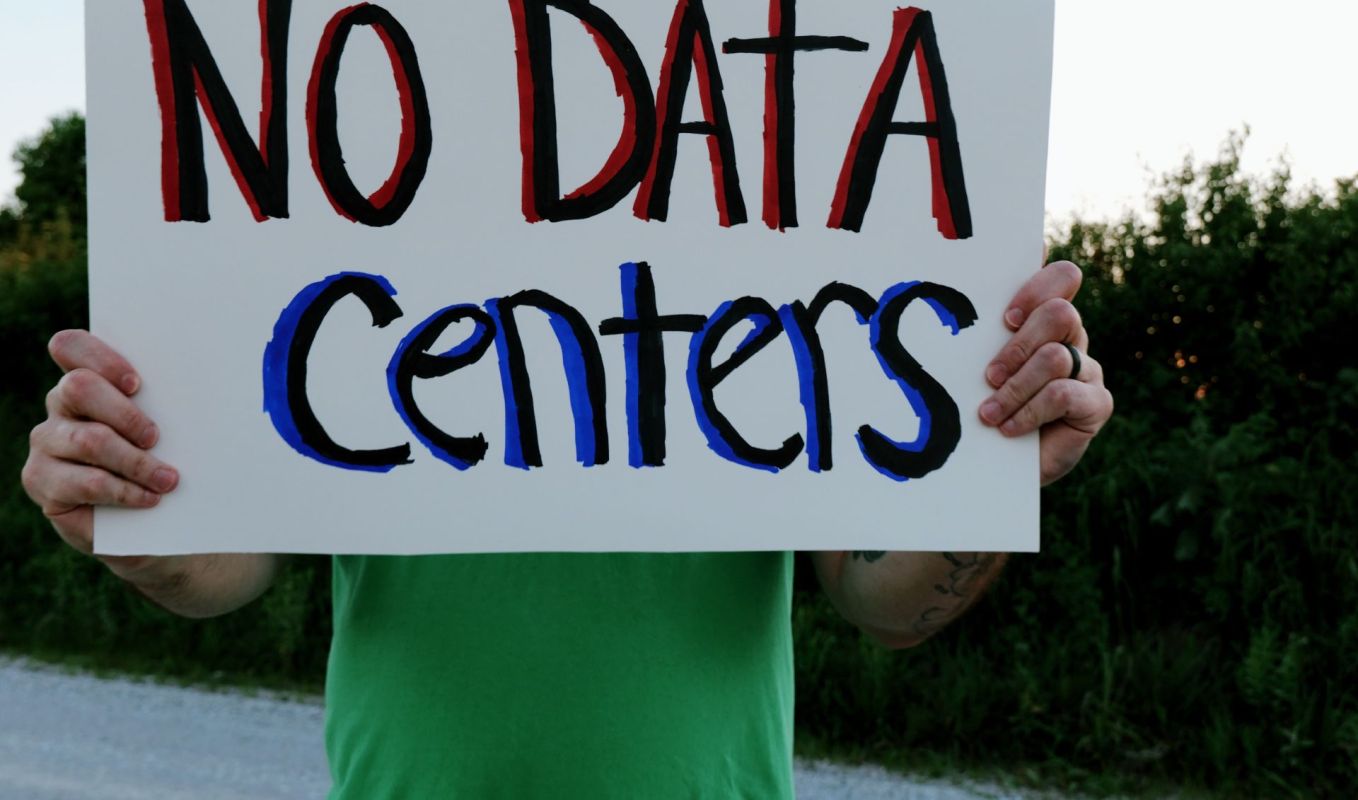
Westfield, Massachusetts, has formally locked in a yearlong pause on new data centers after residents packed public meetings to raise concerns about electricity demand, water use, and the long-term costs such facilities could bring to the community.
The Westfield City Council made the temporary ban official on July 6 with a unanimous vote in favor of the 12-month moratorium.
What happened?
Supporters cast the moratorium as a chance for Westfield to set firmer rules before any large, energy-hungry campus changes the city. At a special meeting, that argument resurfaced during another round of public testimony before councilors finalized the pause, The Reminder reported.
"A temporary pause allows the city to establish ironclad zoning protections and performance guarantees before large-scale energy-intensive technology campuses alter the community landscape," resident Richard Labrie said, describing the moratorium as "a necessary and responsible step to protect municipal resources, the local environment and taxpayers."
Others raised similar concerns. Resident Jessica Britton urged officials to "do the right thing," while resident Suzanne Paquette warned, "It's the Wild West when it comes to data centers."
Questions about the proposed Servistar Data Center also surfaced. Resident Michael Roeder said the project still had not purchased property or obtained permits awarded years earlier, underscoring broader concern about data center expansion in Massachusetts.
TCD Picks » Quince Spotlight
💡These best-sellers from Quince deliver affordable, sustainable luxury for all




Residents also linked the local debate to state policy, pointing to Gov. Maura Healey's decision to pause applications for certain data center tax breaks while stronger guardrails are weighed.
Why does it matter?
Data centers sit at the crossroads of artificial intelligence expansion, local infrastructure, and household costs.
AI tools can help utilities forecast demand, improve grid efficiency, and better integrate wind and solar power. However, the computing systems behind AI often require enormous amounts of electricity and water, which can strain local resources, drive up utility bills, and create security, pollution, and planning concerns when growth outpaces oversight.
Resident Rachelle Randall asked officials to think about neighboring communities and "the rising cost of utilities," while resident Ann Ripley warned that without proper review, "we're in a lot of trouble," according to The Reminder.
These concerns are not limited to one city. Other communities are also pushing back against major data center proposals over resource use and grid strain, as well as the wider surge in electricity demand tied to AI infrastructure.
What's being done?
Westfield is buying time. The 365-day moratorium is meant to give leaders room to draft rules that better address siting, environmental impacts, and public transparency before any large facility moves forward.
Transparency was a major theme for resident Andy Montanaro, who asked officials not to conduct future discussions in secret. "We have an obligation to transparency in our community," he said, per The Reminder, while urging an amendment that would prohibit non-disclosure agreements related to the process.
The next phase will move to the City Council's Natural Resources Committee, chaired by Councilor Kristen Mello, which will examine how a data center in Westfield could affect ecology and public health.
"What an amazing example of community engagement and responsive government working together to address an issue!" Mello said after the vote. Earlier, she told the chamber, "I don't think there's anything we could say that was better than what they had to say for themselves."

Get TCD's free newsletters for easy tips, smart advice, and a chance to earn $5,000 toward home upgrades. To see more stories like this one, change your Google preferences here.






