


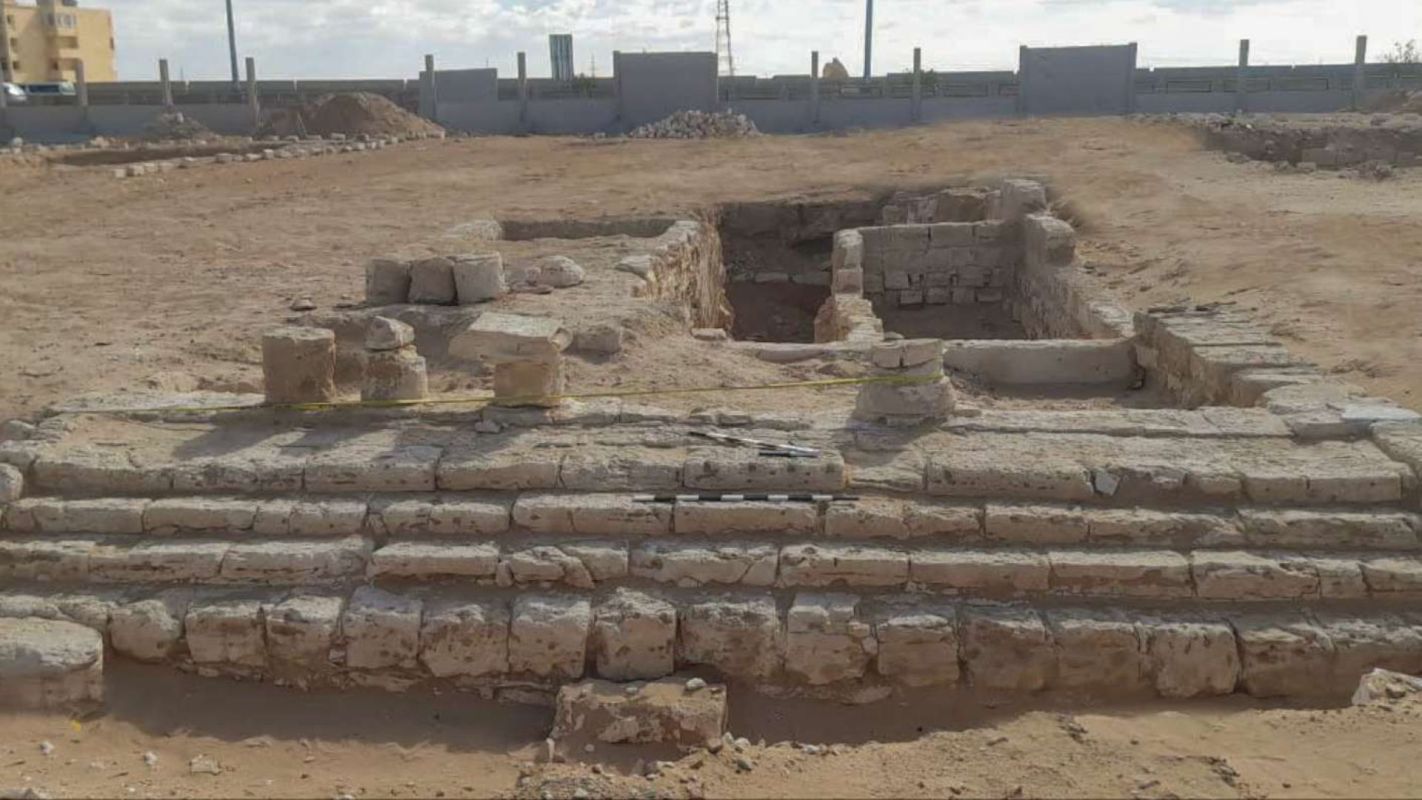
Two striking discoveries have turned up in Egypt: a buried Byzantine-era city and a group of tombs containing gold amulets and burial offerings, offering new clues about daily life and burial customs in the distant past.
What happened?
Recent work at Egyptian sites has brought to light two very different kinds of evidence from the distant past: traces of urban daily life and tombs stocked with gold and other grave goods. As Popular Mechanics reported, one dig identified a Byzantine settlement, while another uncovered graves filled with offerings.
While the discoveries come from different places and periods, together they give archaeologists a clearer picture of how Egyptians lived and how they prepared their dead during eras shaped by Greek, Roman, and Byzantine influence.
Buried artifacts can help researchers date a settlement and better understand daily routines during a time when Egypt was undergoing major political and cultural change. A similar Byzantine-era discovery in Egypt's Dakhla Oasis unearthed bronze coins, defensive walls, and roughly 200 inscribed pottery fragments recording business dealings and personal letters.
Why does it matter?
Archaeology involves more than dramatic objects. It also offers one of the best ways to understand how societies adapt over time.
A lost Byzantine city can show how people organized their homes, stored goods, practiced religion, and responded to shifting empires and environments.
TCD Picks » Quince Spotlight
💡These best-sellers from Quince deliver affordable, sustainable luxury for all




Preserving historic sites matters. Once a site is looted, paved over, or damaged by uncontrolled development, the information it holds can be lost for good.
What's being done?
Archaeologists in Egypt continue to survey, excavate, and document sites that still hold major unanswered questions. Careful excavation is crucial because context (where an object is found, what lies beside it, and which layer of soil it comes from) is often just as valuable as the object itself.
Egypt has spent years expanding restoration and heritage protection efforts while partnering with international teams on excavation and conservation. Each new discovery adds to a broader picture of how ancient communities evolved across the region.
Egypt's newest discoveries may be dramatic, but their real power lies in what they reveal about ordinary lives, enduring beliefs, and the importance of protecting history before it disappears underground, or above it.

Get TCD's free newsletters for easy tips, smart advice, and a chance to earn $5,000 toward home upgrades. To see more stories like this one, change your Google preferences here.






