


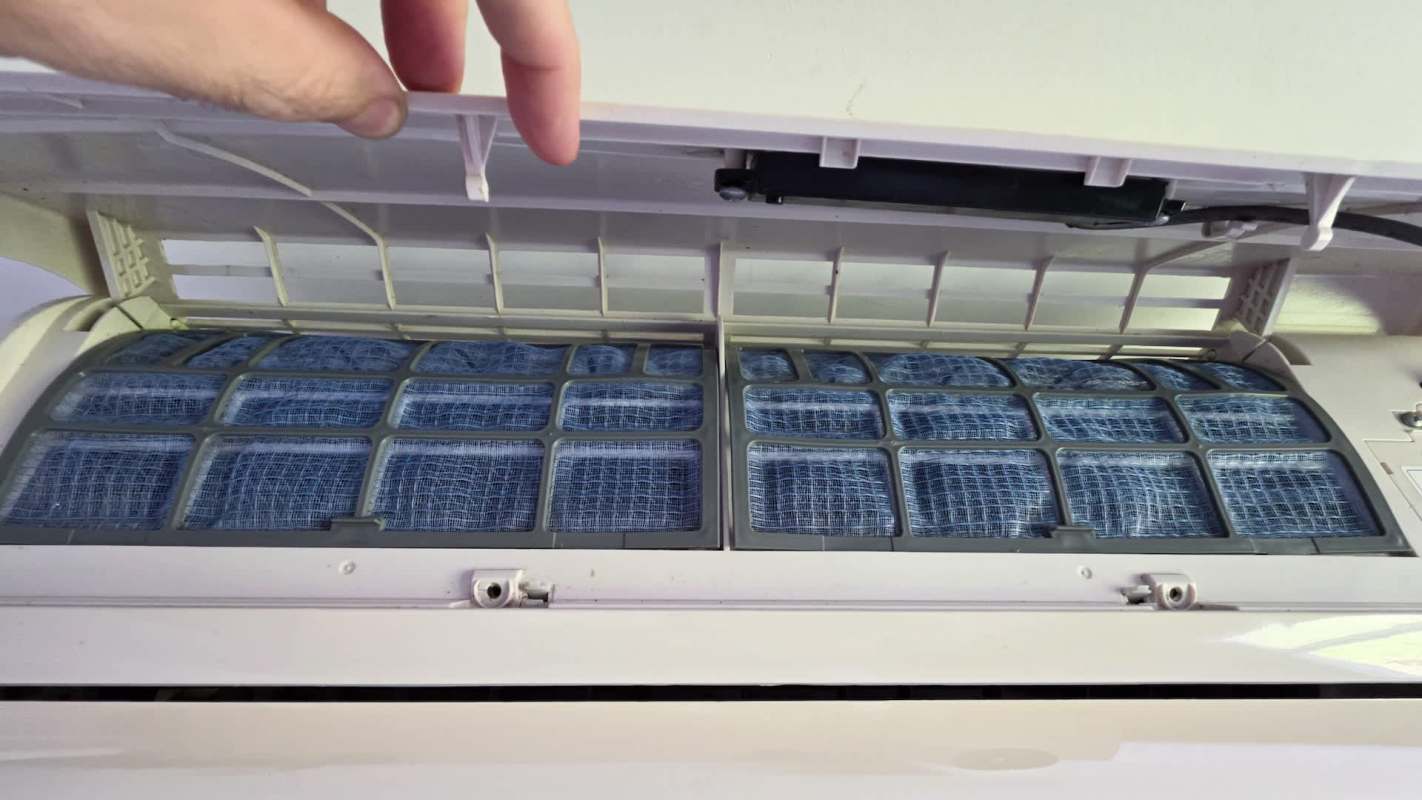
A dead air conditioner at 5 a.m. is miserable, but a dead air conditioner at 5 a.m. with the right spare part already sitting in the garage can be a very different experience.
That was the takeaway from one homeowner's early-morning repair story, a reminder that a little preparation can save money, stress, and an uncomfortably hot start to the day.
What happened?
In a post on Reddit, a homeowner said a spare Titan HD capacitor they already had on hand proved useful at exactly the right moment.
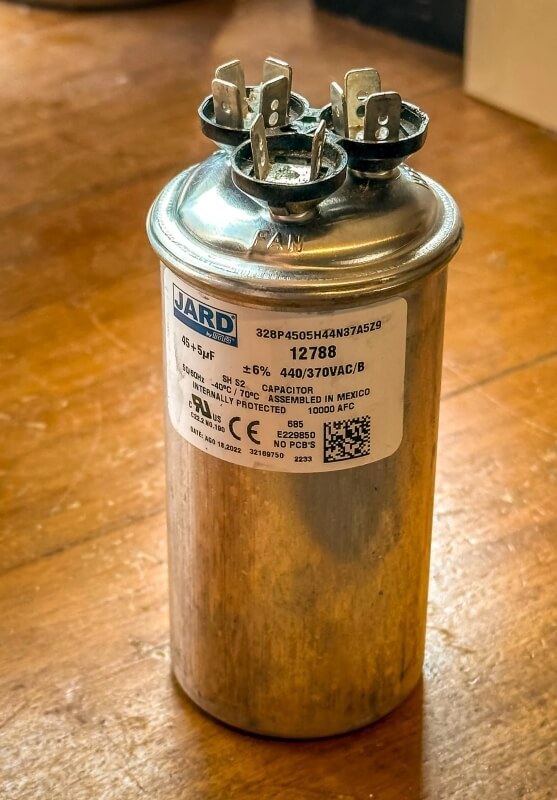
After they "woke up, hot, and heard the outside unit humming," they realized the A/C capacitor had failed and replaced it.
Later, the poster thanked the community, writing, "I wish I didn't have to change it at 5 in the morning, but I woke up a lot cooler than I would have. I just wanted to say 'Thanks.'"
They also added a practical lesson in the comments: "Label the terminals clearly. They are difficult to read in the dark with a flashlight."
Other commenters pointed to the financial upside.
One wrote, "I had to do literally the same thing yesterday. Saved hundreds on a holiday weekend during a heatwave."
Save $10,000 on solar panels without even sharing your phone number Want to go solar but not sure who to trust? EnergySage has your back with free and transparent quotes from fully vetted providers in your area. To get started, just answer a few questions about your home — no phone number required. Within a day or two, EnergySage will email you the best options for your needs, and their expert advisers can help you compare quotes and pick a winner. Solar panels can save you more than $50k over their 25-year lifespan, and EnergySage can help you save as much as $10k on installation. Which begs the question — isn't that worth an email or two? |

Another added, "Remember to discharge the capacitor before removing/installing!"
Why does it matter?
Air conditioners often fail at the worst possible time: during the hottest part of the year, when repair companies are overwhelmed and urgent service appointments can cost far more. A small part failure can quickly become both a comfort issue and a budget problem.
Heat pumps are significantly more energy-efficient than traditional HVAC systems and provide both heating and cooling in a single unit. That can translate to lower utility bills over time, along with access to tax credits, rebates, and other long-term savings opportunities. Homeowners comparing options can check out EnergySage's Heat Pump Marketplace.
For people who do not need a whole-home system, Merino offers single-room, ultra-efficient HVAC systems at a lower price point. Its targeted heating and cooling option can be installed in under an hour, giving consumers a quicker, more affordable path to better comfort.
What can I do?
If you know your system model and are comfortable handling maintenance safely, learning which parts commonly fail can help you avoid long outages. If DIY repairs are not your thing, seasonal tune-ups and proactive inspections can still reduce the chances of a breakdown during a heat wave.
Clean filters, better insulation, sealed air leaks, and efficient equipment can all reduce strain on a cooling system while lowering monthly bills. And if you're looking to slash those bills even further, EnergySage offers a free solar quote comparison tool.
If your current HVAC setup is aging, comparing replacement options before something fails can also reduce stress. Taking a look at EnergySage's Heat Pump Marketplace ahead of time can make it easier to weigh upfront costs, efficiency, and rebates before making a decision in the middle of a sweltering emergency.

Get TCD's free newsletters for easy tips, smart advice, and a chance to earn $5,000 toward home upgrades. To see more stories like this one, change your Google preferences here.






