


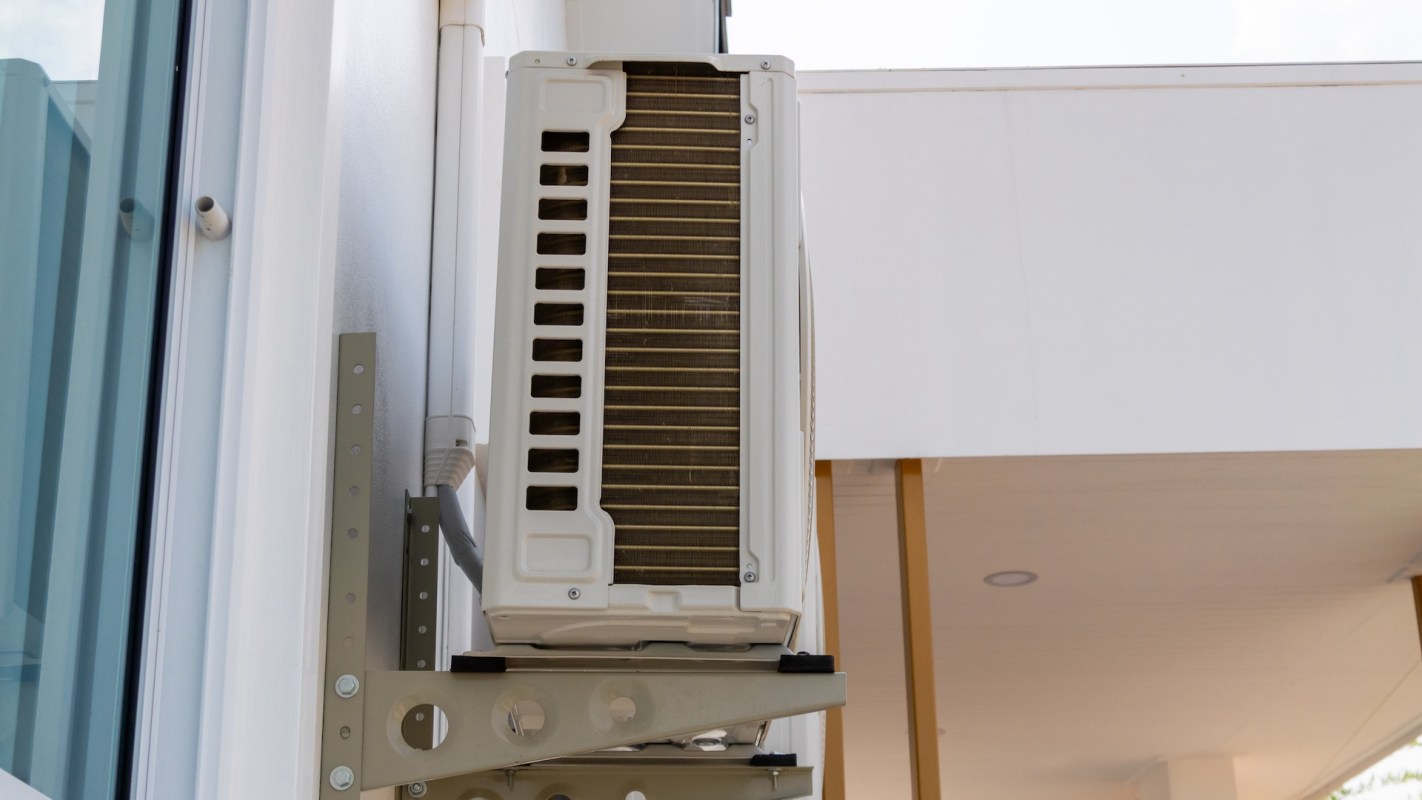
When a brutal heat wave hits, homeowners generally expect a new cooling system to perform at least as well as the one it replaced.
The complaint came from a homeowner near Toronto, who said a newly installed heat pump let the indoor temperature run 5 to 6 degrees above the thermostat setting during 35-degree Celsius (95°F) weather that felt closer to 43 with humidity.
What happened?
The post said the system caught up once nighttime temperatures eased: "I woke up to the house being at the identical temperature as the thermostat setting."
But during the hotter part of the stretch, the homeowner wrote, "Through the recent days, my house was 5-6 degrees hotter than my A/C thermostat setting and the unit just couldn't cool the house."
According to the homeowner, the previous air conditioner was over 20 years old and had trouble in severe heat, too, but it would usually still end up within roughly 1 to 2 degrees of the setting — but ultimately, the tech a heat pump uses is basically the same as a central AC unit (refrigerant) and it can just run in both directions.
Much of the discussion centered on system size.
Several commenters said a 2-ton unit could be too small for a 2,100-square-foot home.
As one person put it: "It's a 2 Ton unit which seems small for a 2100sqft house unless you have mega insulation."
Save $10,000 on solar panels without even sharing your phone number Want to go solar but not sure who to trust? EnergySage has your back with free and transparent quotes from fully vetted providers in your area. To get started, just answer a few questions about your home — no phone number required. Within a day or two, EnergySage will email you the best options for your needs, and their expert advisers can help you compare quotes and pick a winner. Solar panels can save you more than $50k over their 25-year lifespan, and EnergySage can help you save as much as $10k on installation. Which begs the question — isn't that worth an email or two? |

Another common problem that often gets overlooked is ventilation. A great heat pump can be shooting itself in the foot if it's installed under a deck with its fan blowing directly up at the deck or against a wall. If the heat pump can't expel the heat it's pumping out in the summer or the cool temperatures it's pumping out in the winter, it has to work much harder than it should.
Heat pumps are significantly more energy-efficient than traditional HVAC systems, and they provide both heating and cooling in one setup. That can translate to financial benefits including tax credits, rebates, and long-term savings on utility bills, and homeowners shopping around can compare options through EnergySage's Heat Pump Marketplace.
For people who do not need a whole-home system, Merino is another option.
Why does it matter?
Extreme weather can expose a frustrating reality: Even efficient equipment may fall short if it is undersized for a home or for a region's most intense heat and humidity.
Commenters also stressed that efficiency and cooling output are not the same thing.
One commenter summed up the issue this way: "Efficiency has nothing to do with it, it's the capacity or the amount of heat it can move."
More homeowners are turning to heat pumps to cut pollution and lower energy costs. When properly sized, they are almost always a smart upgrade.
There is a tradeoff, though. A commenter noted that choosing a system to handle only rare peak-heat days can leave it oversized the rest of the time, which can create humidity issues and make the home less comfortable in normal conditions — though this same issue applies to the size of AC units too, of course.
The cheapest quote or the highest efficiency label may not tell the whole story. Load calculations, insulation levels, window exposure, and local weather patterns can all affect whether a system keeps up when temperatures spike.
What can I do?
If a system struggles during a heat wave, experienced homeowners often recommend starting with basic performance checks, including clean filters, unobstructed outdoor airflow, and temperature readings across the indoor coil.
As one commenter wrote, "What kinda of temp drop are you getting across the coil. its hard to say anything without performance data."
It may also be worth asking the installer for the home's sizing calculation and whether the humidity load was factored in.
In some cases, improving insulation, sealing air leaks, adding shading, or using a supplemental room unit during rare extreme events may be more practical than replacing the entire system.
"The fact that it reaches the set temp during the night is good and shows the system is working," one commenter wrote. "It just doesn't have the cooling capacity to keep up with this freak heatwave."
Homeowners who want to cut electric bills further can also use EnergySage, which offers a solar quotes comparison tool.
And if you are still comparing HVAC options, EnergySage's Heat Pump Marketplace is another resource.

Get TCD's free newsletters for easy tips, smart advice, and a chance to earn $5,000 toward home upgrades. To see more stories like this one, change your Google preferences here.






