


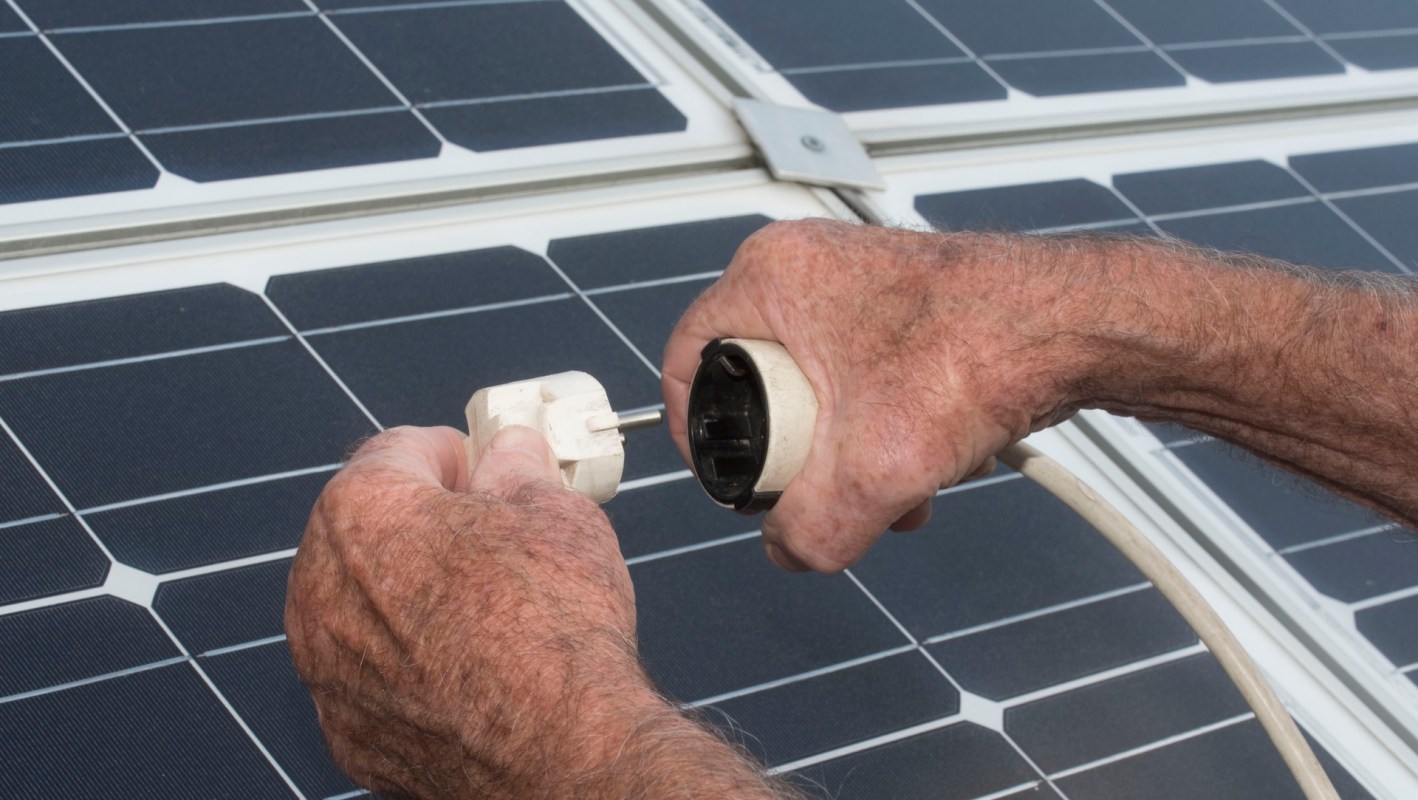
New Hampshire is making it easier for residents to use a simpler form of solar power at home. A newly signed law, Senate Bill 540, will allow people to use small plug-in solar devices without first getting approval from their utility companies or paying added fees.
What happened?
On July 2, Gov. Kelly Ayotte signed SB540, which sets statewide standards for plug-in solar.
The portable setups — often called balcony solar — connect to a home's electrical system through a nonpermanent plug, and they have been especially popular in Germany.
Customers who want a plug-in solar device will not need to sign interconnection agreements, pay extra charges, or seek approval from their utilities, as the New Hampshire Bulletin reported.
However, any system installed must meet safety standards from a nationally recognized testing lab, such as UL Solutions. The bill, sponsored by state Sen. David Watters, a Dover Democrat, also allows one device per metered account and caps each unit at 1,200 watts.
Why does it matter?
For homeowners, going solar remains one of the best ways to save money on home energy. EnergySage allows you to get quick solar installation estimates and compare quotes for free.
But for people who are not ready for a full rooftop setup, plug-in solar offers a cheaper and less complicated way to start using solar energy. That can make it particularly appealing for renters and for residents who would prefer to avoid a bigger installation process involving their utility.
SB540 protects consumers' ability to benefit from solar while giving utilities a clearer picture of how much plug-in solar is being used so they can better model electricity demand.
Save $10,000 on solar panels without even sharing your phone number Want to go solar but not sure who to trust? EnergySage has your back with free and transparent quotes from fully vetted providers that can help you save as much as $10k on installation. To get started, just answer a few questions about your home — no phone number required. Within a day or two, EnergySage will email you the best local options for your needs, and their expert advisers can help you compare quotes and pick a winner. |

The measure places New Hampshire among a growing group of states that have begun setting rules for the technology, including Maine, Vermont, and Connecticut, per the New Hampshire Bulletin. Last year, Utah became the first U.S. state to approve balcony solar.
What can I do?
For residents interested in rooftop solar, EnergySage's solar map shows the average cost of a home solar panel system in each state and details the available incentives. Together, those resources can help you get the best price for your system.
EnergySage's free services can also make the shopping process far less confusing for households weighing a larger solar investment. With EnergySage's help, the average person can save up to $10,000 on solar purchases and installations.
Adding battery storage to a solar setup is one of the best ways to protect your home during outages, save money on energy, and go off grid. Readers can explore EnergySage's free tools for information about home battery storage options, including competitive installation estimates.
More From EnergySage
💡Go deep on the latest news and trends shaping the residential solar landscape

As New Hampshire begins rolling out the law, residents will also need to keep in mind the state's warning that "connecting unlisted systems or connecting systems in a manner not in accordance with the state building code or manufacturer instructions may affect a customer's homeowners or renters insurance coverage," according to the New Hampshire Bulletin.

Get TCD's free newsletters for easy tips, smart advice, and a chance to earn $5,000 toward home upgrades. To see more stories like this one, change your Google preferences here.






