


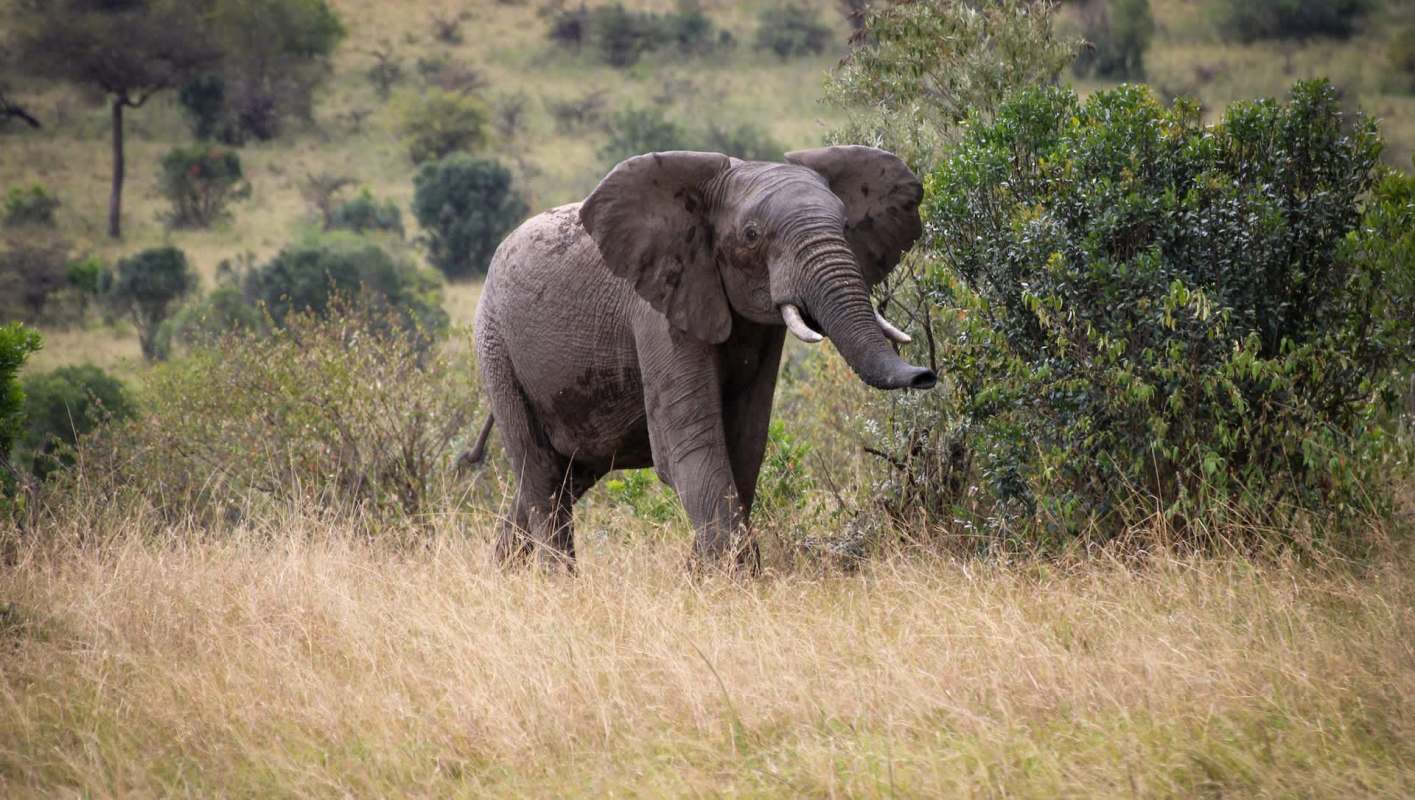
A bull elephant strayed from its protected habitat into farmland in Kenya, creating a risky situation at the human-wildlife border.
Residents sought outside help, and responders guided the animal away from the fields and back toward the park.
What happened?
In an Instagram post, Sheldrick Wildlife Trust (@sheldricktrust) described a joint operation with the Kenya Wildlife Service after an elephant began raiding crops on nearby farmland. The teams moved it out of the area and toward a safer habitat.
Sheldrick said farm visits like this become more frequent as the dry season begins because crops along the park boundary can be hard for elephants to resist. The group noted that food and water may still be available inside the park, but cultivated fields offer an easier meal.
The trust said it supported the mission from the air, while Kenya Wildlife Service teams on the ground directed the bull back toward the protected area.
One commenter wrote, "It was impressive to see him step over the fence… even if he knocked it down."
TCD Picks » Quince Spotlight
💡These best-sellers from Quince deliver affordable, sustainable luxury for all




Why does it matter?
When large wild animals enter farmland, the stakes can be high. Elephants can destroy crops in minutes, damage fences and property, and put nearby residents at risk if they feel threatened or cornered.
That can intensify human-wildlife conflict, a growing issue in places where communities live alongside migration routes, parks, and other wild habitats. A single incident can end badly for both sides: Farmers may lose food and income, while elephants may face injury, stress, or retaliation.
As seasonal conditions shift and animals travel farther in search of food, the need for practical coexistence strategies becomes more urgent.
What's being done?
The response with this elephant worked because the right systems were already in place. Local residents knew whom to contact, and trained teams were ready to respond with ground crews, aerial assistance, and a plan centered on moving the elephant rather than harming it.
Sheldrick Wildlife Trust said actions like this are part of its broader work with the Kenya Wildlife Service to safeguard elephants and the people living nearby. In rural areas, that kind of fast coordination can be crucial when a wildlife encounter starts to escalate.
"Operations like this help prevent human-wildlife conflict," Sheldrick Wildlife Trust wrote, calling the rescue "a great outcome for the elephant and for his human neighbours."

Get TCD's free newsletters for easy tips, smart advice, and a chance to earn $5,000 toward home upgrades. To see more stories like this one, change your Google preferences here.







