


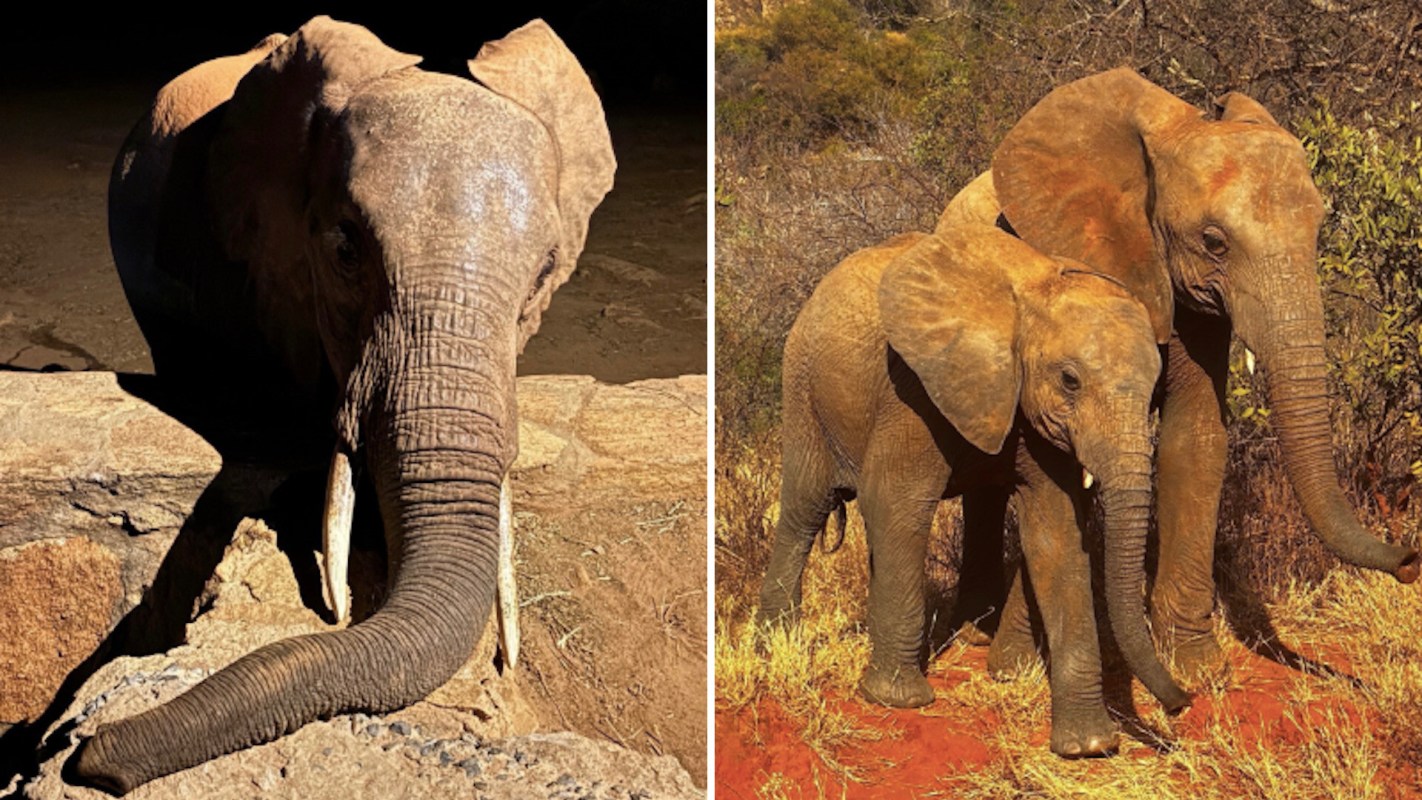
As Kenya's Tsavo ecosystem enters a drier stretch, elephants once rescued as calves are returning to Ithumba Reintegration Unit on their own terms — now with babies, grandbabies, and even wild companions.
The update from Sheldrick Wildlife Trust offers a rare glimpse of what long-term conservation success can look like years after the original rescue.
What's happening?
Seasonal conditions in Tsavo are shifting, and that change is bringing elephants back to the Ithumba Reintegration Unit, which helps orphaned elephants ease back into wild living.
"It's starting to dry up across Tsavo, which means more ex-orphans and wild elephant visitors in the mix," Sheldrick Wildlife Trust wrote in a recent Instagram post.
In a series of photographs, the organization spotlighted the "merry trio" of Bondeni, Vaarti, and Mayan, as well as a wild elephant referred to as "Crazy One" that took ex-orphans under her care. There's also "ex-orphan Mulika and her rascal son Moe," among others.
Why does it matter?
These scenes show more than survival. They suggest rescued elephants are rebuilding normal social lives — forming bonds, raising calves, and moving confidently between protected care and the wild landscape.
TCD Picks » Quince Spotlight
💡These best-sellers from Quince deliver affordable, sustainable luxury for all




For a species known for deep family ties, long memories, and complex behavior, an ex-orphan returning with a baby signals that rehabilitation is fostering true independence, not just short-term recovery.
Healthy elephant populations help support stronger ecosystems by dispersing seeds and shaping habitat in ways that benefit other wildlife. In places such as Tsavo, robust wildlife populations can also help sustain tourism economies and the jobs tied to them.
What are people saying?
Sheldrick Wildlife Trust's update sparked curiosity and earned nearly 29,000 likes.
"I want to know more about 'crazy one,'" one commenter wondered, to which someone replied, "She is a one-tusked mama that used to be 'disruptive' before her friends introduced the kind SWT humans. They had a post about her latest baby last 2025 October!"
"They all bring me a sense of peace that's very hard to find in the world! Thank you so much for all you do!" another said.

Get TCD's free newsletters for easy tips, smart advice, and a chance to earn $5,000 toward home upgrades. To see more stories like this one, change your Google preferences here.







