


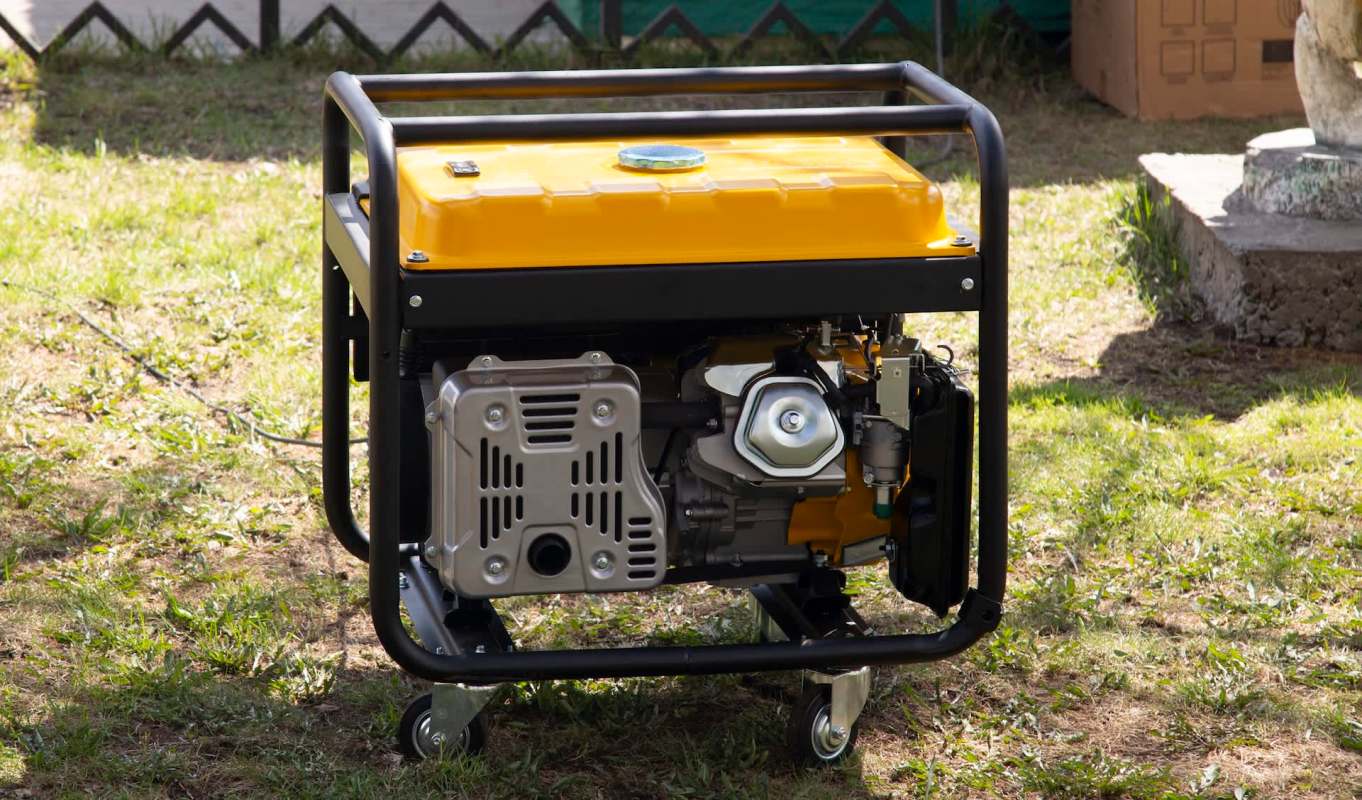
After three days without electricity during a heat wave, one homeowner decided they did not want to be caught unprepared the next time the power went out.
Rather than pay for a costly standby system, they began searching for a portable generator that could keep their 2,400-square-foot home, air conditioning, and well water running.
What's happening?
The homeowner turned to Reddit's r/Generator community for help and advice after losing power for three days during a heat wave.
As they put it: "Three days without power in a heatwave — I'm finally pulling the trigger and getting a generator. I've had it… Thing is, I don't know how to calculate the size generator I need."
They knew they wanted enough generator capacity to cover the full home, including heating and cooling systems as well as water from a well pump, but they didn't know what to do next.
The situation was confusing to the homeowner because generator sizing is not determined by square footage alone. A home's biggest electrical demands, including central air conditioning, electric heat components, and well pumps, can all push the needed size much larger than many shoppers might expect.
TCD Picks » Quince Spotlight
💡These best-sellers from Quince deliver affordable, sustainable luxury for all




Immediately, the site's generator forum stepped up, providing details, immediate steps, and followup questions to help the homeowner choose the best generator.
One user suggested, "I would buy the biggest predator generator they have and get an electrician to put you a quick connect in. Put being uncomfortable in your rear view mirror… life is too short." The homeowner responded, saying, "I'm kind of leaning in this direction lol."
After receiving the trove of advice, the OP edited the post, writing, "Wow, this is an awesome community. Thank you to everyone that's replied so far. I'm working a double today. Tomorrow night I'm going to reply to some comments with specifics as to what's in my house that needs powering."
Why does it matter?
Extended outages during extreme heat are much more than an inconvenience. They can leave families without cooling, refrigeration, running water, internet access, and even the ability to safely store medications.
A portable generator or backup battery system can cost far less than a permanently installed standby unit, potentially saving money upfront while still providing backup power during emergencies.
There can also be added savings during an outage. Keeping a refrigerator, freezer, and well pump running may help households avoid spending on spoiled food, bottled water, takeout, or last-minute hotel stays if the blackout drags on.

Get TCD's free newsletters for easy tips, smart advice, and a chance to earn $5,000 toward home upgrades. To see more stories like this one, change your Google preferences here.






