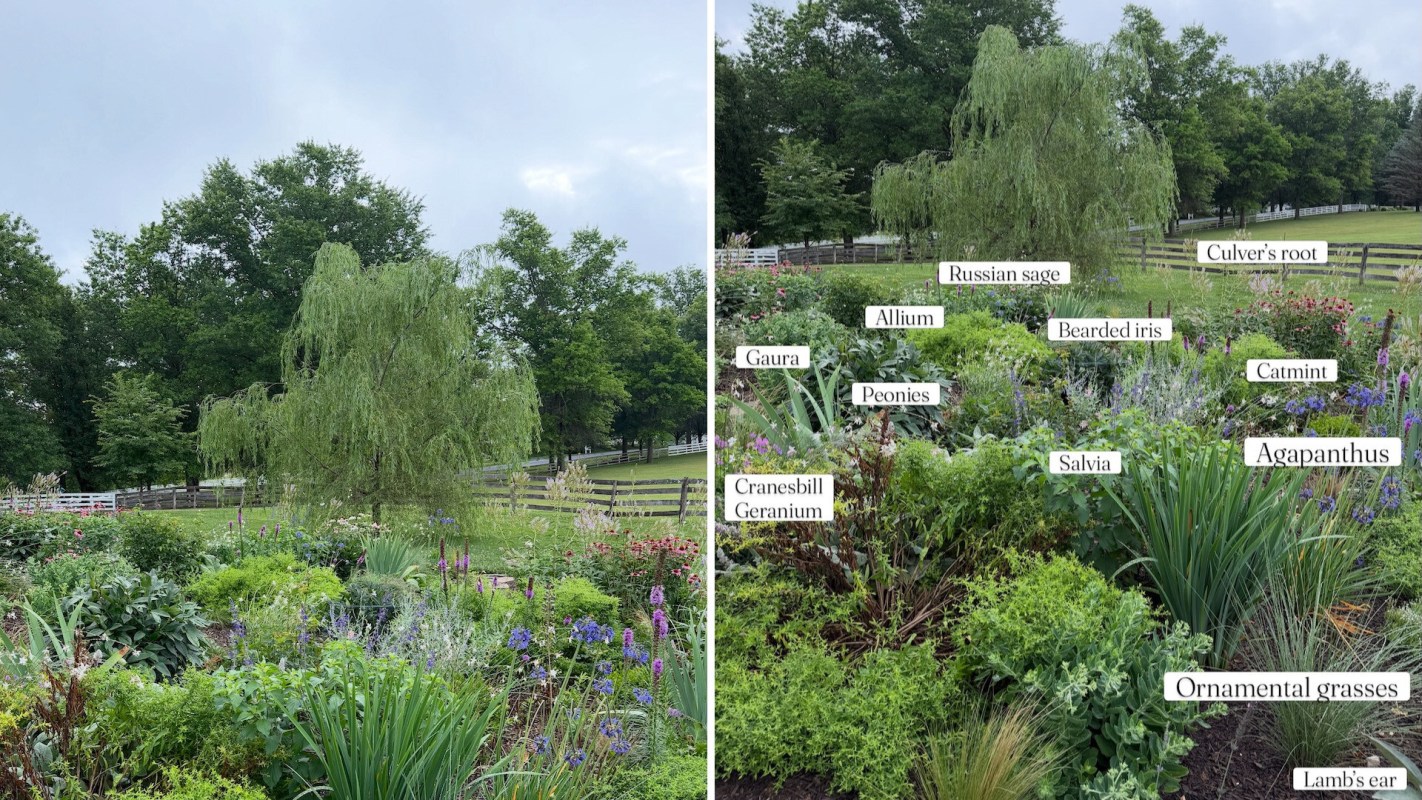
Promises of deer resistance do not always hold up under real-world conditions. That familiar gardening frustration is getting attention online through a post by a cottage garden creator who shared the plants they say have been more dependable at deterring deer and rabbits.
What's happening?
Using the post as a reality check for shoppers, the cottage gardening content creator behind English Cottage Garden Designer (@figmentcottagegardens) said experience has shown that the "deer resistant" label is not always reliable.
The post also doubled as an invitation for followers to comment if they wanted cottage garden plans for zones 4 through 9, with layouts covering everything from full sun to full shade.
The creator's examples ranged from baptisia and bluestar to lamb's ear, Russian sage, salvia, Veronica, verbena bonariensis, foxglove, and lady's mantle — plants many gardeners value for their texture, color, and scent, and for their tendency to be less enticing to browsing animals.
Why does it matter?
Replacing chewed-up plants, reworking garden beds, and buying trial-and-error additions can get expensive quickly, especially during peak planting season.
Many people garden for more than appearance alone. A thriving yard or garden bed can support mental health, encourage physical activity, and make time outdoors more rewarding. People growing fruits, vegetables, or herbs may also cut grocery bills and get fresher produce than what is often available at the store.
TCD Picks » Quince Spotlight
💡These best-sellers from Quince deliver affordable, sustainable luxury for all




When deer and rabbits repeatedly raid a space, some gardeners may feel pushed toward harsher deterrents or give up altogether. Advice on plants that tend to hold up better can help reduce that frustration and make it easier to keep gardening in a manageable way.
What can I do?
If browsing animals are a problem where you live, the best approach is usually layered. Start with plants commonly considered less palatable, then focus on what actually performs well in your neighborhood, since deer pressure can vary widely by season and location.
For anyone hoping to protect edible crops as well, deer-resistant borders can be one useful part of a broader plan. If you're thinking about starting or expanding a kitchen garden, there are practical ways to begin growing your own food to build a harvest that can taste better, support your well-being, and lower food costs over time.

Get TCD's free newsletters for easy tips, smart advice, and a chance to earn $5,000 toward home upgrades. To see more stories like this one, change your Google preferences here.