


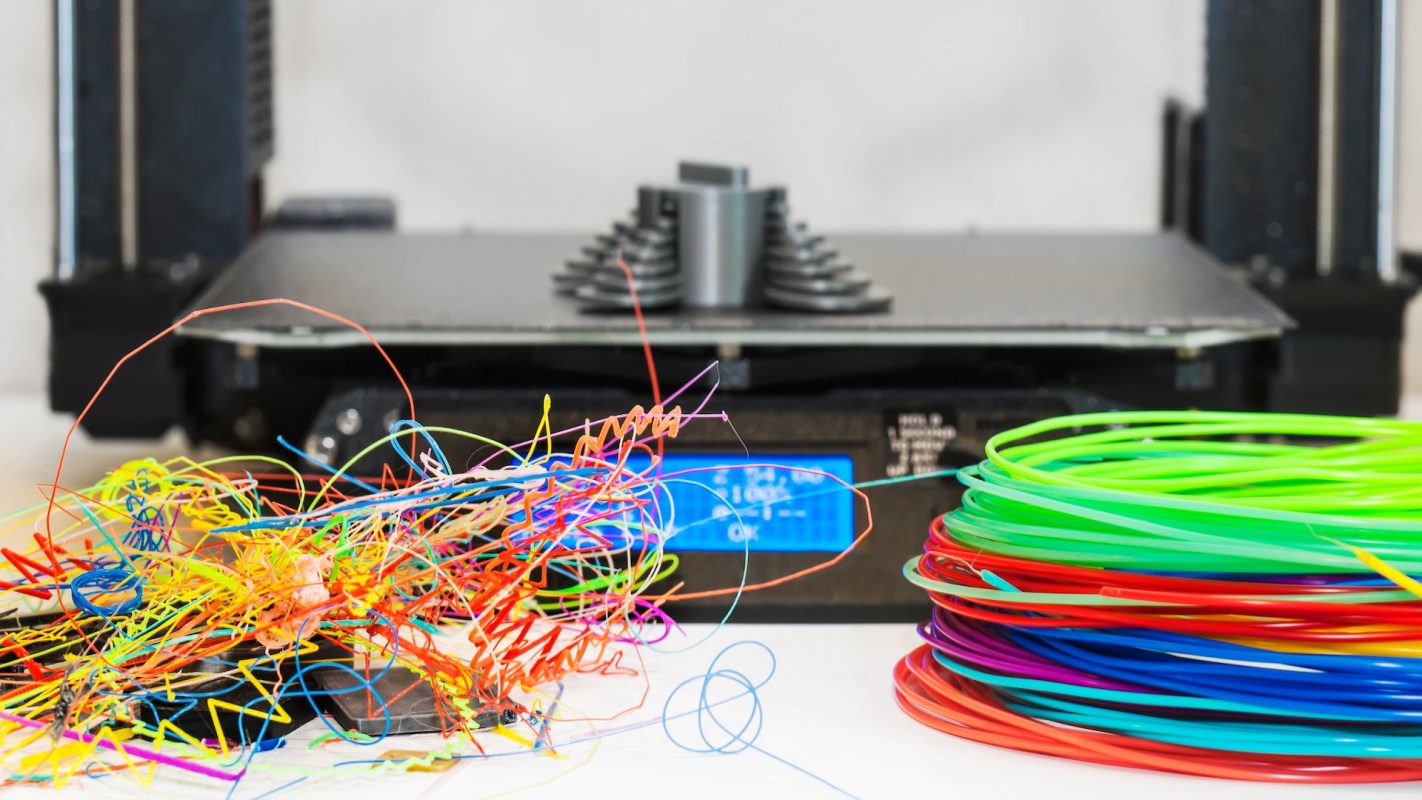
Desktop 3D printers were once pitched as a smarter way to make only what you need. But a growing number of consumers say the technology is fueling a wave of cheap plastic clutter that is hard to justify — and even harder to keep out of the trash.
That tension was at the center of a Reddit discussion that drew thousands of upvotes and hundreds of comments as users debated whether the hobby is yet another source of throwaway plastic.
What's happening?
What set off the thread was a complaint about the flood of short-lived plastic novelties surrounding the hobby.
The original poster said conventions and pop-up markets were increasingly packed with what they called "3D-printed slop," arguing that the problem was less the machines themselves than how many low-value objects were being produced, purchased, and tossed.
Several commenters agreed with the criticism.
"I'm a 3D printing enthusiast and couldn't agree more about the 3D-printed slop!" one person wrote.
TCD Picks » Quince Spotlight
💡These best-sellers from Quince deliver affordable, sustainable luxury for all




Others said the issue was not functional printing but the spread of copied fidget toys, tchotchkes, and decorative objects with little lasting value.
At the same time, many Redditors pushed back on the idea that 3D printing was inherently wasteful. Several said they had used printers to make replacement parts that kept products in use, including a lamp, pencil sharpener, and camera tripod.
One commenter said they can print a hard drive tray for "about $0.50 of PETG" compared with secondhand prices of $8-20 each and $40-plus from original manufacturers.
Why does it matter?
The discussion points to a broader consumer issue. A product can feel creative, personalized, or even maker-friendly and still add to plastic waste if it is poorly designed, rarely used, or quickly thrown away. Failed prints and novelty items can pile up fast, turning an otherwise practical hobby into another stream of landfill-bound material.
A printer used to repair an appliance knob or extend the life of a 10-year-old lamp can save money and prevent a larger purchase. A printer used mainly to churn out disposable trinkets can have the opposite effect.
That distinction is becoming more relevant as 3D-printed items appear more often at conventions, pop-up markets, and art shows. Consumers may assume handmade means thoughtful or sustainable, but the thread suggests that is not always the case.
What's being done?
Some users are trying to steer the hobby back toward repair, accessibility, and practical design.
"I (a one-armed person) design and print upper limb accessibility aids," one commenter said. "The kids are constantly asking to print toys that I know will just break and go in the trash, so now I'm teaching them to use CAD to design things they NEED instead of want (hard idea for kids)."
People also pointed to a cost-effective way to use the technology: printing hard-to-find replacement parts, storage solutions, adapters, or custom fixes rather than buying entirely new products. Doing so can cut costs, reduce shipping, and help consumers keep older belongings working longer.
"I'm tired of plastic waste being disguised as fun hobbies," the original poster wrote, while a commenter captured the other side of the debate, stating: "3D printers themselves are not the issue. They can be a powerful tool against consumerism and obsolescence."

Get TCD's free newsletters for easy tips, smart advice, and a chance to earn $5,000 toward home upgrades. To see more stories like this one, change your Google preferences here.






