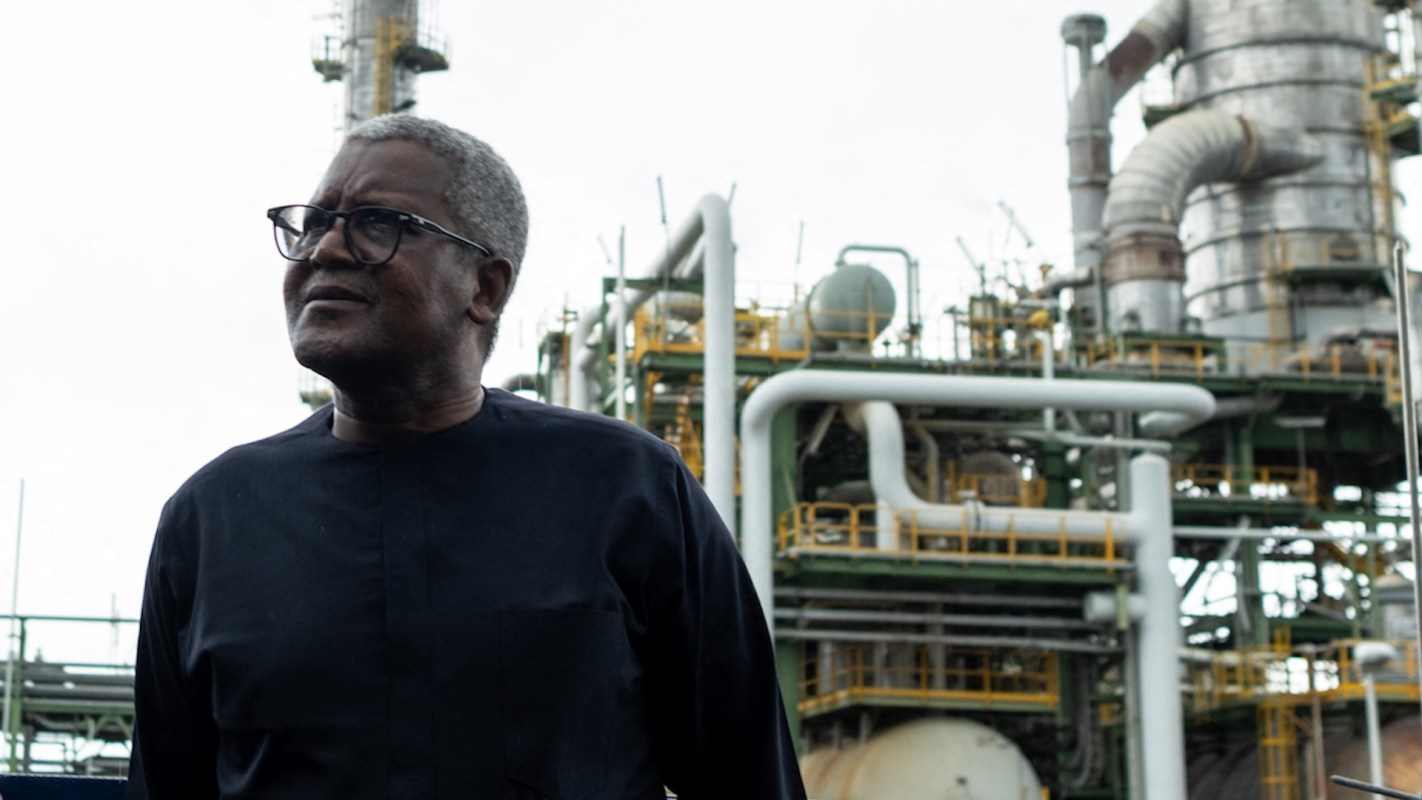
Plans for a massive new oil refinery on Kenya's coast are drawing fierce opposition before construction has even begun.
Greenpeace Africa wants Kenya to stop and reassess the proposed refinery at Lamu port, arguing that the surrounding coastal environment is too fragile to risk.
What's happening?
After months of uncertainty over whether the project would go to Tanzania, Lamu port has now been confirmed as the site for the proposed refinery in coastal Kenya.
Backed by billionaire Aliko Dangote, the $17 billion facility would be built to process 700,000 barrels a day, according to AFP.
Greenpeace Africa says approvals should not proceed until an independent environmental review is finished. The group has also noted that construction would take about 30 months.
Sherelee Odayar, Greenpeace Africa Oil and Gas campaigner, said in a statement: "This project threatens to damage one of East Africa's most fragile coastal ecosystems while locking Kenya into a risky fossil fuel future."
TCD Picks » Quince Spotlight
💡These best-sellers from Quince deliver affordable, sustainable luxury for all




President William Ruto has promoted the refinery as a job generator, a significant claim in a country where the World Bank says about 800,000 people enter the labor market each year.
Greenpeace, however, says the expected gains may be exaggerated and points to unresolved issues, including how the project would be financed and where its crude supply would come from.
Why does it matter?
The ecosystems around Lamu support fisheries, tourism, coastal protection, and local livelihoods, with mangroves, coral reefs, and seagrass beds playing a major role.
Greenpeace says placing a refinery there could bring "habitat destruction, marine degradation, oil spill risk and dangerous air pollution" to an area many residents rely on for both income and food security.
Oil, gas, and coal infrastructure harm communities in direct and lasting ways, with coal and natural gas power plants contributing to air and water pollution linked to asthma, heart disease, cancer, and premature death.
These projects can also keep household energy costs high by tying families to fuel sources subject to price volatility rather than drawing on abundant sunlight and wind.
Climate advocates have also pointed to how industry lobbying can slow the shift to cleaner, cheaper energy systems that would better protect public health and lower monthly bills.
Greenpeace warned the Kenya refinery could deepen that dependence, saying, "This refinery also risks becoming a stranded asset as the world moves toward cleaner energy. It would also lock Kenya into decades of carbon-intensive development, worsening climate change and its impacts."
What's being done?
Before permits move ahead, Greenpeace Africa wants the proposal put on hold. The organization is seeking an independent environmental and social impact assessment, genuine public participation, and greater transparency regarding the long-term health, ecological, and economic effects.
Refinery projects can shape a region for decades. Once major oil, gas, and coal infrastructure is built, communities may be left dealing with pollution risks and cleanup costs long after the promised economic boost fades.
As the proposal advances, two questions could become especially important: how the refinery would be financed and where the oil it processes would come from.
"Lamu's mangroves, coral reefs and seagrass beds are not expendable. They support fisheries, livelihoods and coastal protection," Greenpeace said.
Odayar added: "No approvals should move forward without a full, independent environmental and social impact assessment, genuine public participation and transparent scrutiny of the long-term economic, health and ecological risks."

Get TCD's free newsletters for easy tips, smart advice, and a chance to earn $5,000 toward home upgrades. To see more stories like this one, change your Google preferences here.