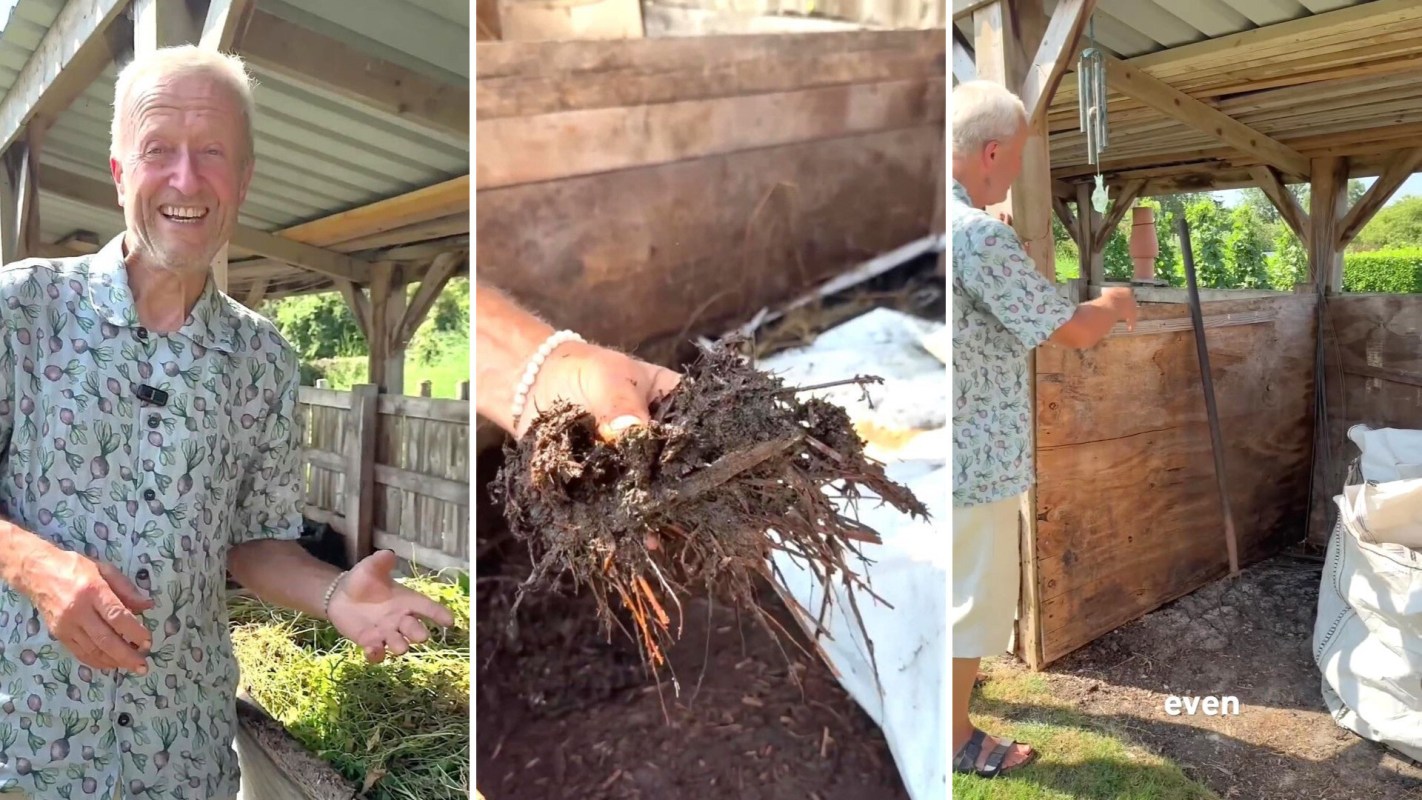
Gardeners dealing with bindweed, docks, and couch grass often assume those stubborn roots need to be thrown away rather than composted. But according to one gardening explainer, that long-standing belief may be stopping valuable nutrients from going back into the garden.
What's happening?
In a YouTube video, no-dig gardening authority Charles Dowding (@CharlesDowding1nodig) pushed back on a worry that perennial weeds will survive the compost heap and come back.
He said the key distinction is between roots and seeds, telling viewers they can compost "perennial weeds" such as "bindweed, couch grass, docks and ground elder" because "the roots don't" need heat to die.
"Seeds need heat, but the roots don't," Dowding explained, saying weed seeds generally need a compost pile to reach about 120 degrees Fahrenheit (50 degrees Celsius), which is usually more realistic in heaps larger than roughly 10.8 square feet (a square meter).
Instead of removing those weeds from the garden, he recommended keeping them buried under fresh additions and maintaining enough moisture for decomposition. Done that way, they can rot down and return "valuable organic matter" and fertility to the soil.
In the comments, one person wrote: "Thank you, I never knew that, especially for bindweed…great news for future reference!"
TCD Picks » Quince Spotlight
💡These best-sellers from Quince deliver affordable, sustainable luxury for all




Why does it matter?
Composting more of the material gardeners already have can help reduce spending on soil amendments and fertilizers. Healthier soil can support stronger harvests, and many people also find that homegrown fruits and vegetables taste better than store-bought options.
Gardening can also support both mental and physical health. Lifting materials, weeding, and harvesting all provide movement, while time spent outdoors has been linked to lower stress and improved mood.
Many gardeners have dealt with compost full of weed seeds. One commenter warned: "My pile does not get hot enough because I do not manage it closely. So a year later, the compost looks great, but is a seed bank extraordinaire."
What can I do?
For gardeners who want to compost perennial weeds, the main point is that roots and seeds behave differently. Roots from plants such as bindweed can still break down in an active heap when they are covered by new material and kept moist, but seed heads may need hotter composting conditions to be destroyed reliably.
Weeding prior to seed development is also a key factor.
Break woody material into smaller pieces, give the pile an occasional turn, and don't leave pulled weeds lying out where they can reroot or regrow.
If your compost setup is small or cool, timing can matter as well. As one commenter put it: "I do find I get weeds from my own compost. I think I am still not sure when to stop adding to a heap!"

Get TCD's free newsletters for easy tips, smart advice, and a chance to earn $5,000 toward home upgrades. To see more stories like this one, change your Google preferences here.