


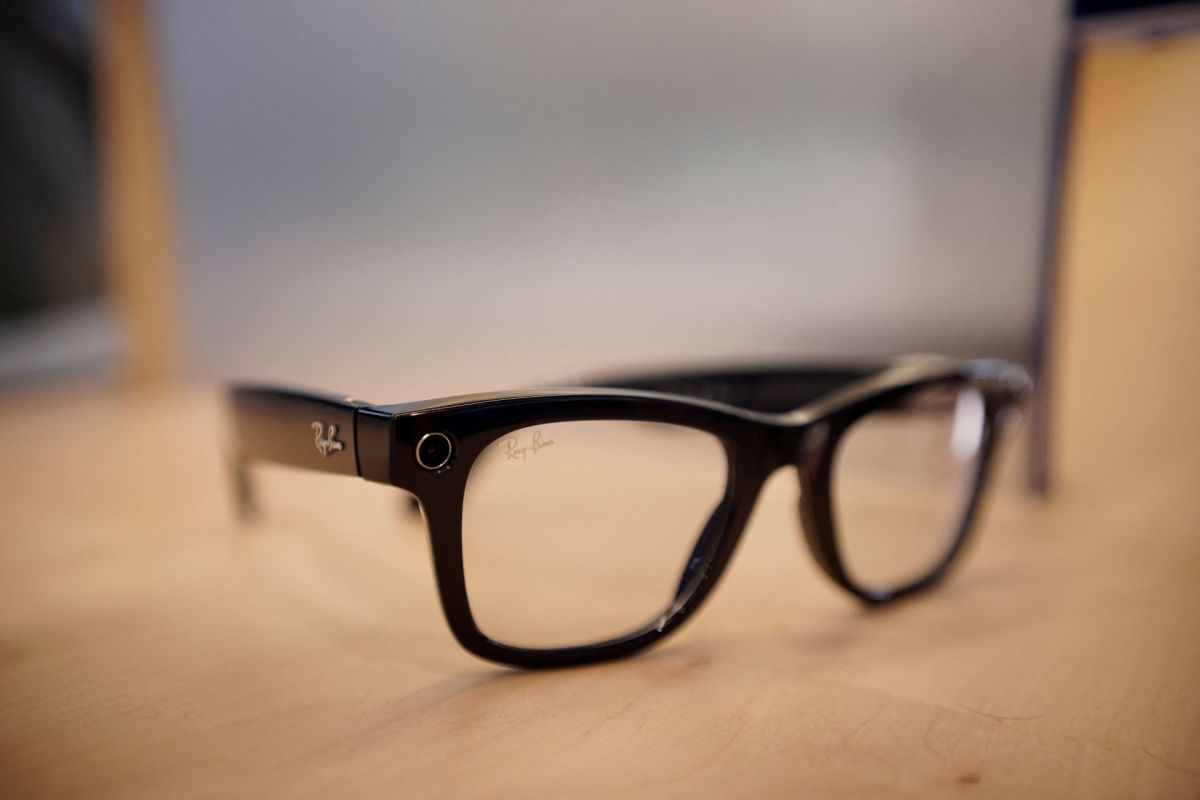
Meta's camera-equipped AI glasses were supposed to make wearable tech feel normal. Instead, a growing backlash is making some owners think twice about wearing them in public.
What's happening?
According to Engadget, some Meta smart-glasses owners have begun keeping the expensive devices at home. In the report, concerns about secret recording, privacy, and Meta's reputation were all cited as reasons the glasses can feel risky to wear around other people.
A major source of the criticism is how influencers — "mostly men," as Futurism observed — have used the glasses to secretly record themselves approaching women and trying to flirt, then post those moments online as content. The publication also highlighted allegations that some wearers tried to extort people who had been filmed without consent.
The stigma around that misuse has helped popularize the nickname "pervert glasses."
Danielle, a travel creator who spoke with Engadget, said the product now feels tainted by how others have used it.
"I wouldn't feel comfortable around somebody wearing them, so I wouldn't expect anybody to be comfortable around me wearing them, no matter where I am," she said. "At this point, they're like a fancy paperweight."
TCD Picks » Quince Spotlight
💡These best-sellers from Quince deliver affordable, sustainable luxury for all




Even with that backlash, Futurism noted that Meta's glasses have proved more successful than earlier smart-glasses efforts such as Google Glass, and CEO Mark Zuckerberg continues to argue that smart glasses could eventually replace smartphones.
Why does it matter?
At the center of the issue is consent. A wearable camera is already capable of changing how people act in public, but that tension grows when the device is tied to a company that has faced years of scrutiny over data collection, biometric information, and surveillance concerns.
The concern is not just that strangers may be recorded without permission. It's also that ordinary social interactions can start to feel less safe when people suspect they may be turned into content, analyzed by AI tools, or uploaded to massive online platforms without their knowledge.
Companies pushing always-on, AI-powered products faster than society has settled the rules around privacy, safety, and accountability can lead to serious issues sooner rather than later.
What's being done?
Much of the response is coming from users themselves. Some owners are choosing not to wear the glasses in public at all, while others are reconsidering whether the convenience is worth the discomfort these devices can cause to others.
Public pressure, clearer labeling, and stronger privacy rules could also help establish firmer boundaries.
Until then, the burden falls on individuals to protect their own privacy and social comfort in spaces where hidden cameras are becoming easier than ever to conceal.
Engadget also heard from freelance video producer Will Kujawa, who said he was "blown away" by the comment section after sharing that he was considering buying a pair.
Danielle put the problem more bluntly: "A lot of men and their behaviors have ruined this product."

Get TCD's free newsletters for easy tips, smart advice, and a chance to earn $5,000 toward home upgrades. To see more stories like this one, change your Google preferences here.






