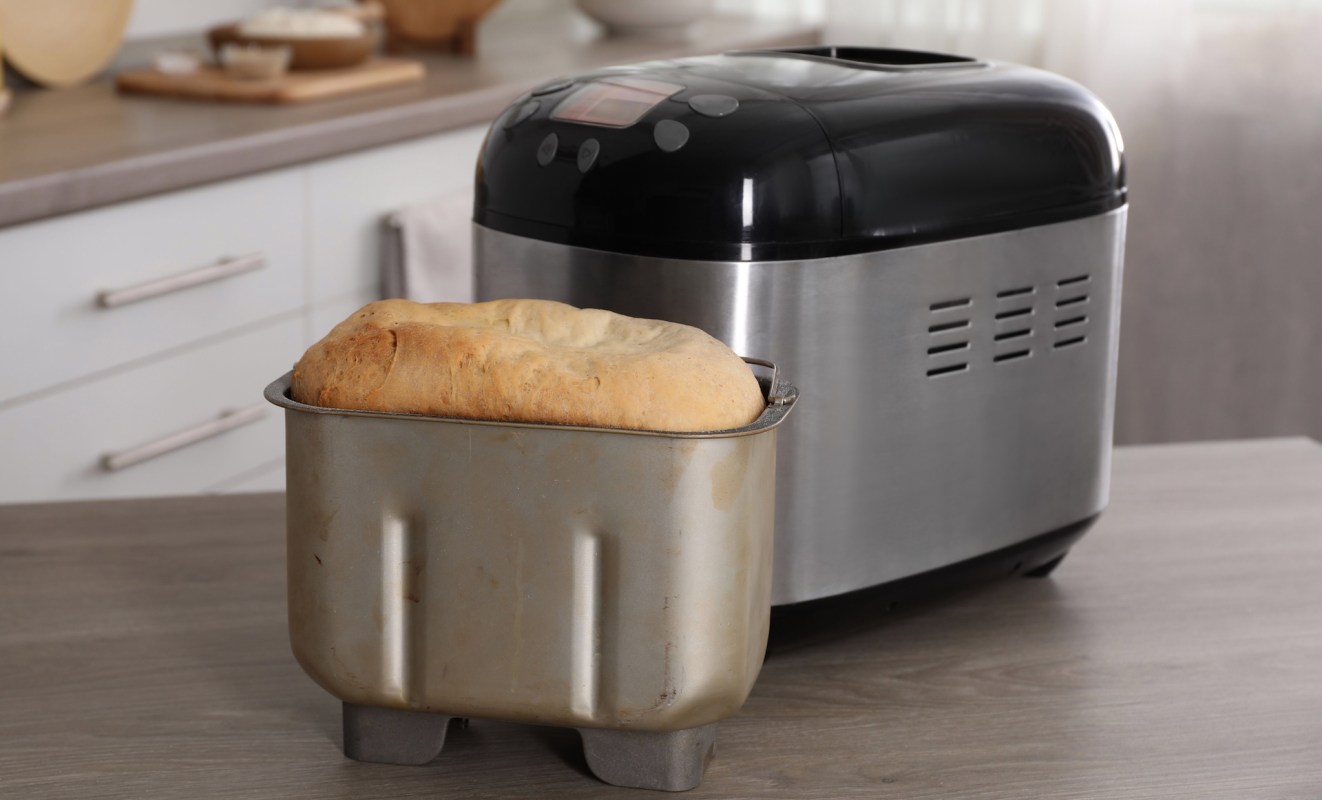
When an old bread maker survives yet another cleanout, the issue may be less about motivation than about judgment.
A common mental shortcut can make an unused blender, a dusty kitchen gadget, or some other neglected appliance seem far more valuable than it really is.
What's happening?
A recent look at decluttering psychology from Bolde on Yahoo highlights the endowment effect, a well-known idea in behavioral economics.
In simple terms, people often place a higher value on something once they own it.
A 1990 Cornell study captured that pattern clearly. Students who were simply asked to choose between a coffee mug and cash valued the mug at $3.12, while students who did not own the mug were willing to pay just $2.87. But students who had been given the mug for only 30 minutes wanted $7.12 before they would sell it.
That gap helps explain why unused belongings can be so hard to part with. The item itself is the same as it was before, but ownership can make giving it up feel like accepting a loss.
TCD Picks » Quince Spotlight
💡These best-sellers from Quince deliver affordable, sustainable luxury for all




Why does it matter?
The costs of that bias can add up quietly. It may keep people from returning trial purchases, selling unused belongings, or donating perfectly functional items that could help someone else. Those items take up storage space and can even contribute to unnecessary duplicate purchases later on.
At the same time, not every difficult decision is just a case of overvaluing what you own.
Russell Belk argued that some possessions become part of a person's identity, which helps explain why a handwritten recipe card or a child's art project can feel fundamentally different from an appliance that never leaves the cupboard.
What can I do?
One simple test: If this disappeared tonight, would I go out tomorrow and buy another one at what it costs?
That question moves the decision from seller mode into buyer mode. If the honest answer is no, the item may belong in the sell, donate, or recycle pile. In the case of a bread maker that never gets used, that might mean reselling an $80 appliance and getting at least some of that money back.
Sentimental items often need a different approach. Research suggests that taking a photograph before donating something can make it easier to let go, because the memory stays with you even after the object goes to someone who will actually use it. If an item has no emotional meaning, selling it may be the most practical move. If the attachment is really about the memory, photographing it and donating it may feel better than trying to put a price on it.

Get TCD's free newsletters for easy tips, smart advice, and a chance to earn $5,000 toward home upgrades. To see more stories like this one, change your Google preferences here.