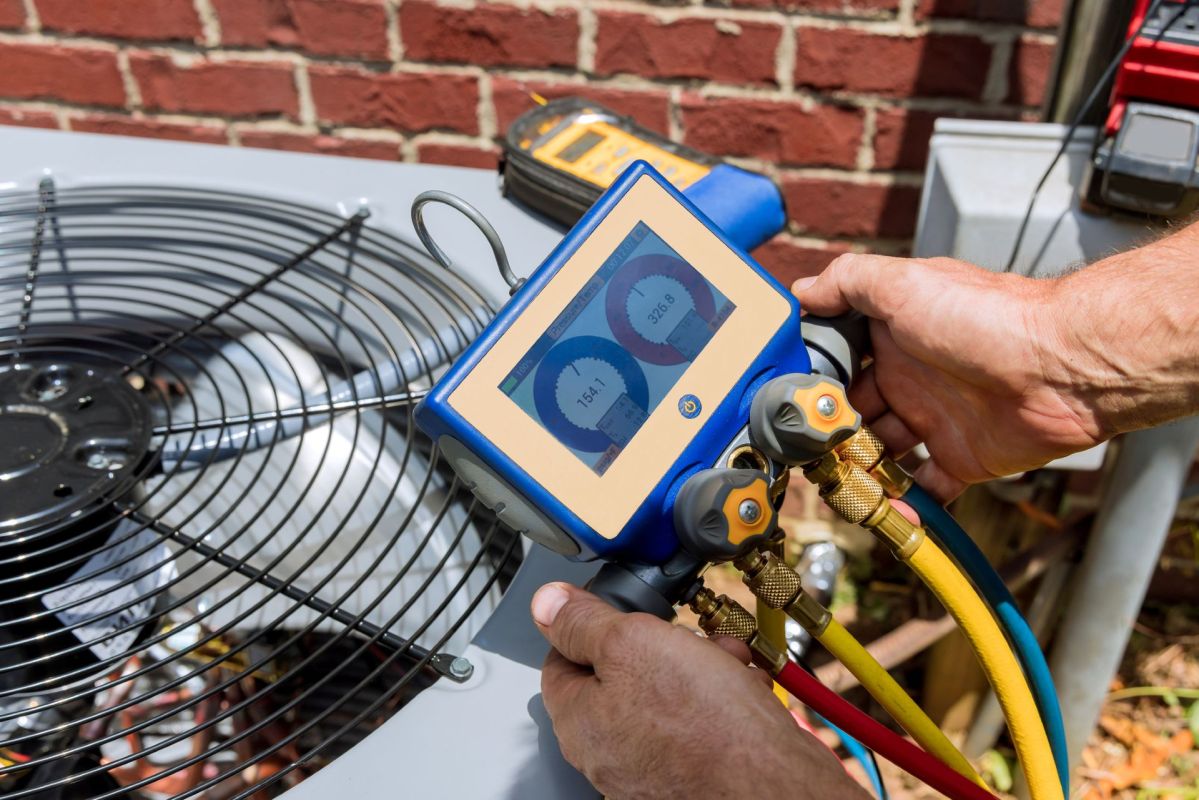
After paying to replace an AC capacitor in 2025 and again in 2026, a North Carolina homeowner turned to Reddit for help figuring out whether the repeated failure pointed to a bigger problem.
The post described a two-story house where the second floor stays "10+ degrees hotter than downstairs" for several hours each afternoon, making the latest outage especially frustrating. The homeowner wanted to know whether dirty coils could really explain another capacitor failure or whether something else was stressing the system.
What happened?
According to a Reddit thread, the first breakdown came in July 2025, when the AC stopped cooling, and a local company replaced the capacitor. The homeowner said the invoice noted that the "dual run capacitor had popped the top."
After that visit, they cleaned the coils with foam cleaner and rinsed the unit before winter.
The system failed again in June 2026. This time, the homeowner described the issue as "compressor on, but no fan/cooling," and said a different technician from the same company replaced the capacitor again.
That technician also pointed to dirty coils and noted that the unit sits in direct sunlight for most of the day.
The homeowner said they were not fully persuaded by that explanation. Along with writing, "HVAC illiterate here in central NC," they said they had already cleaned the coils twice, did not live in a particularly dusty area, and had about 12 inches of clearance from nearby bushes.
Comments provided various cleaning advice, and one Redditor even pointed out that "if you were to look at the installation instructions for the unit you would see that 12 inches isn't enough clearance around the unit." Some users also expressed that it's not only a problem with the capacitor — the fan may be having issues as well.
Save $10,000 on solar panels without even sharing your phone number Want to go solar but not sure who to trust? EnergySage has your back with free and transparent quotes from fully vetted providers in your area. To get started, just answer a few questions about your home — no phone number required. Within a day or two, EnergySage will email you the best options for your needs, and their expert advisers can help you compare quotes and pick a winner. Solar panels can save you more than $50k over their 25-year lifespan, and EnergySage can help you save as much as $10k on installation. Which begs the question — isn't that worth an email or two? |

If repeat repairs are becoming a pattern, some homeowners may start comparing bigger upgrades instead of paying for one hot-weather fix after another.
Heat pumps are significantly more energy-efficient than traditional HVAC systems because they move heat rather than generate it, and they can handle both heating and cooling in a single system. EnergySage's Heat Pump Marketplace can help homeowners easily compare options that can lead to lower monthly utility bills, tax credits, rebates, and long-term savings for homeowners.
For households that do not need a full-system replacement, Merino offers another option for a single-room, ultra-efficient HVAC system — at an even lower price point. Merino uses a targeted heating and cooling system that can be installed in a timely fashion in less than an hour.
Why does it matter?
A failed capacitor may be a relatively small part, but repeated failures can still lead to multiple service calls, higher costs, and more time without cooling during dangerous summer heat.
The situation highlights a common problem for homeowners: trying to fix recurring issues without identifying their actual causes. If dirty coils continue to be blamed despite recent cleanings, airflow issues, age, electrical problems, or broader strain on the system may be contributing.
Hidden issues with AC units like clogged air filters, leaky ducts, and inefficient thermostat settings can also silently raise summer energy bills by forcing the AC to work harder.
In a two-story home with one thermostat on the first floor, consistently warmer upstairs temperatures can force the system to run longer and work harder, driving up energy bills while still leaving parts of the home uncomfortable.
What can I do?
Getting a second opinion may be worth it, especially if the same component fails twice within a short time frame. Asking a technician to inspect airflow, refrigerant performance, fan operation, wiring, and overall system sizing can be a helpful step to prevent repeated temporary repairs.
If cooling is uneven from floor to floor, smart thermostats, zoning upgrades, or targeted room-by-room solutions may also improve comfort for everyone throughout the house without requiring a full replacement.
Homeowners looking to cut long-term energy costs can also explore solar through EnergySage with its free solar quotes comparison tool. With EnergySage's help, the average person could get nearly $10,000 in incentives for solar purchases and installations.
And for anyone weighing whether to keep repairing an aging AC or switch to a more efficient system, EnergySage's Heat Pump Marketplace is another place to compare innovative options to choose next.
The homeowner summed up the uncertainty plainly: "So what do y'all think? Could the coils really be getting that dirty in 6-8 months, or should I be looking at this as a symptom of a larger problem?"

Get TCD's free newsletters for easy tips, smart advice, and a chance to earn $5,000 toward home upgrades. To see more stories like this one, change your Google preferences here.