


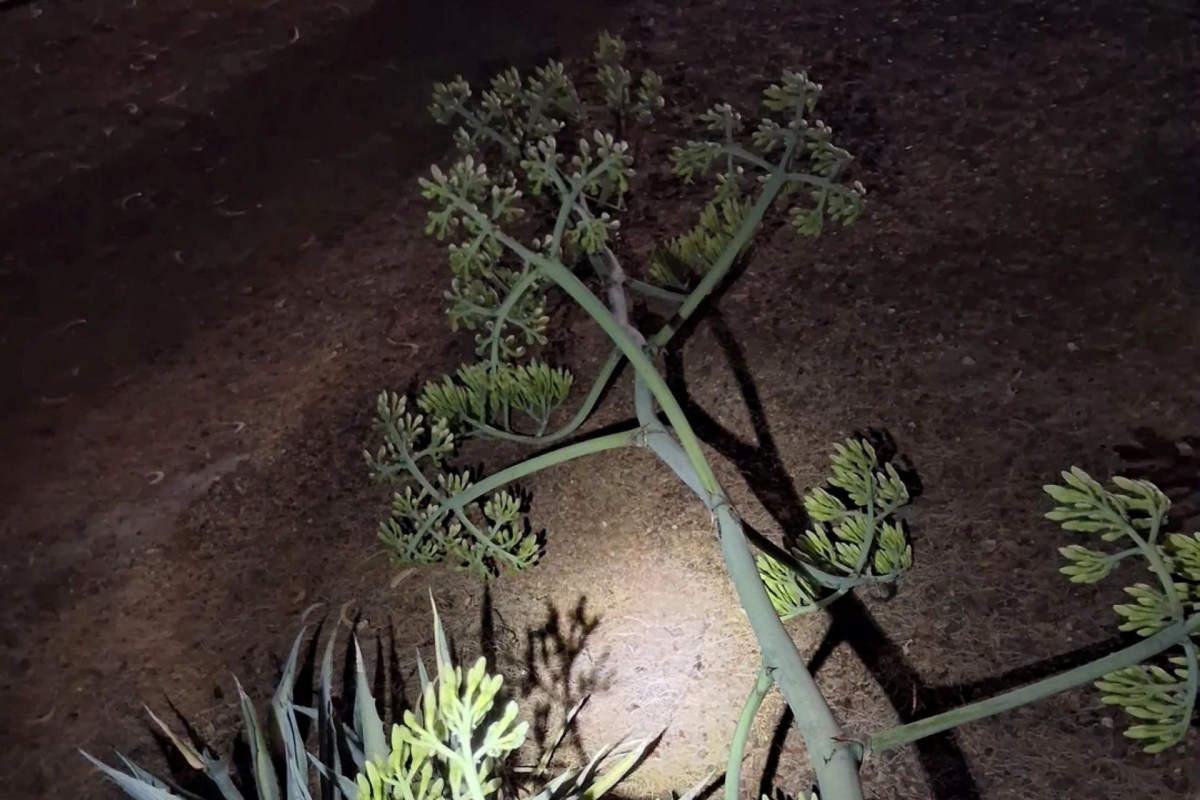
A Phoenix dust storm turned one gardener's plant into a dramatic lesson in desert botany. What looked like a disaster turned out to be, at least in part, exactly how the plant's life cycle is meant to end.
What happened?
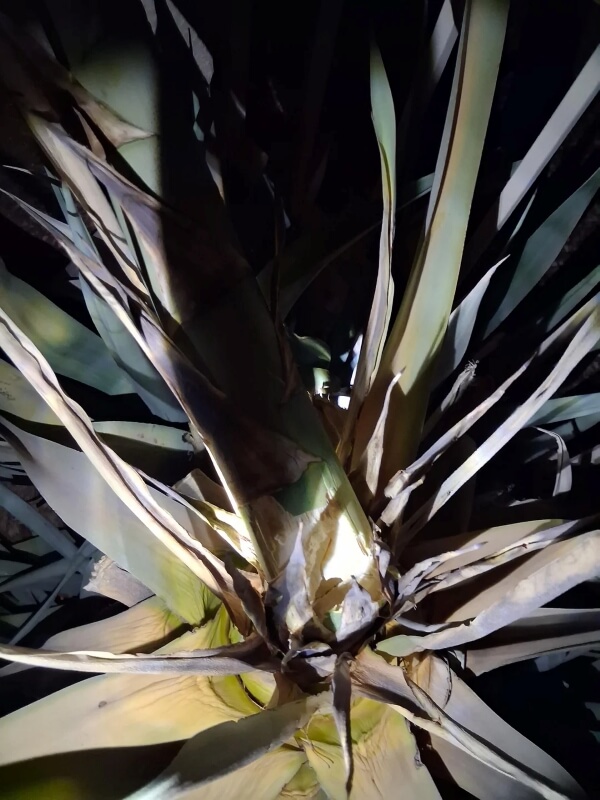
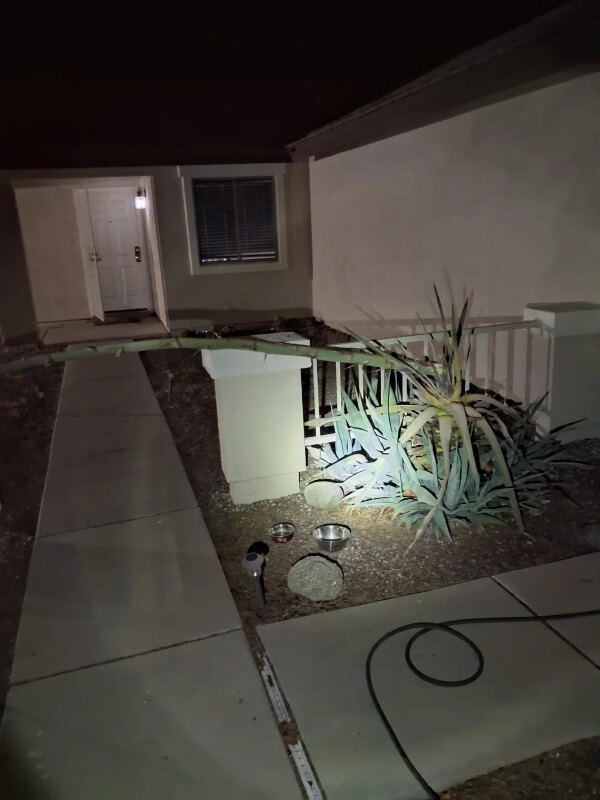
"My century plant fell today in a huge dust storm while I was at work," the original poster wrote on Reddit.
They shared photos of a massive flowering stalk at the center of the plant that bent sideways. From the looks of it, it appeared to be taller than the roof of their home.
Commenters reassured the OP.
"That is why the stalk is so tall," one wrote. "It evolved to fall over and drop baby plants a good distance away from the mother plant."
Another commenter explained: "So that's an agave with a full death bloom. He was dying, and that's possibly why he fell over. In any case, this was his last summer." Someone else added: "Right — century plants are agave. And no, they do not live a century. They also die after blooming."
TCD Picks » Quince Spotlight
💡These best-sellers from Quince deliver affordable, sustainable luxury for all




Why does it matter?
Dust storms can be destructive, especially in hot, dry regions, but this fallen agave was also a reminder that some plants are adapted to reproduce even in severe climates.
Tending plants can help people understand how local ecosystems work, especially when it comes to native plant species that have evolved to survive and thrive in those conditions.
That hands-on connection can also improve mental and physical health, reduce stress, and make outdoor spaces more vibrant and purposeful.
Raising produce at home can cut grocery costs, and many people find that homegrown herbs, fruits, and vegetables taste better than store-bought versions.
A backyard or patio garden can be part hobby, part wellness tool, and part budget strategy.
What can I do?
Wherever you garden, it helps to choose plants suited to your climate and give large specimens plenty of room.
Because agaves can produce enormous flowering stalks before the plant dies back, they may need extra space. After a collapse such as the one the OP shared, gardeners can check around the base and stalk for new growth.
"The small plants that emerge around the base of an agave are called pups, offsets, or hijuelos," one commenter explained. "If you are looking at tiny plantlets growing higher up on the tall central flower stalk, these specific clones are called bulbils."

Get TCD's free newsletters for easy tips, smart advice, and a chance to earn $5,000 toward home upgrades. To see more stories like this one, change your Google preferences here.






