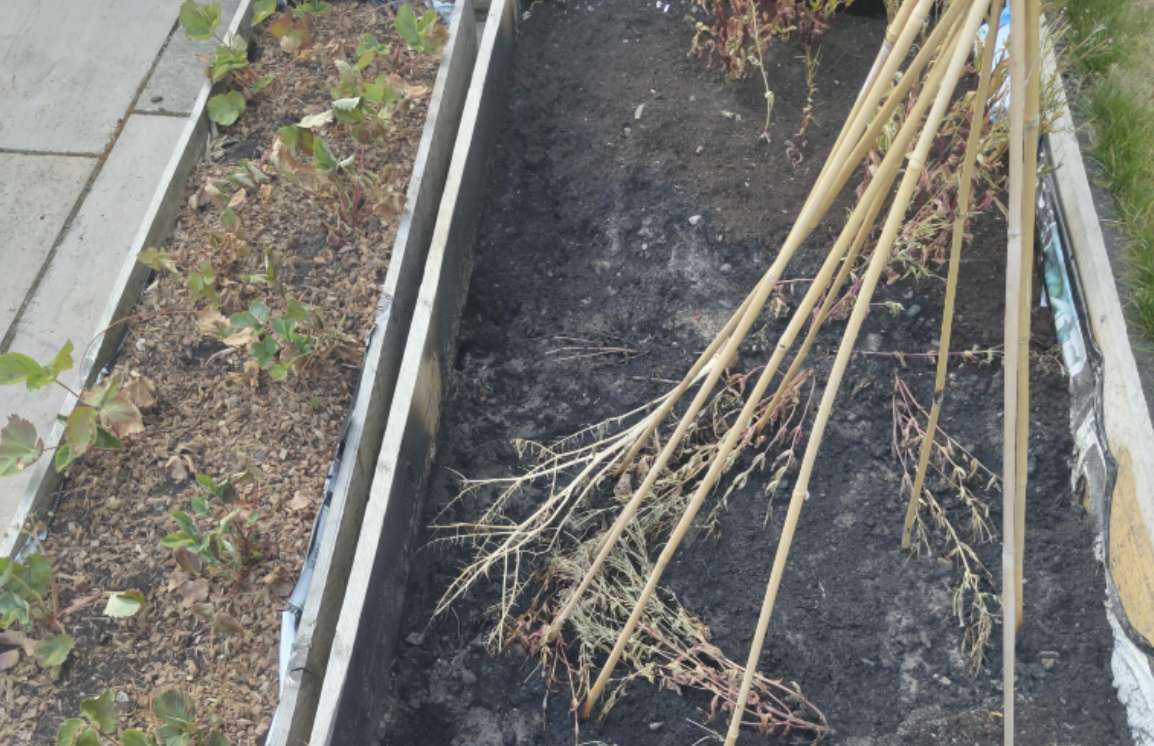
A gardener's return from a weekend trip took a frightening turn after neighbors were forced to break into the yard to put out a fire burning in a raised bed.
The mystery drew attention online because the gardener could not identify an obvious ignition source.
What happened?
The account appeared in a post on Reddit, where the original poster said, "Came home after a weekend away to find the neighbours (thankfully) had had to break into the garden to put a fire out in our raised bed."
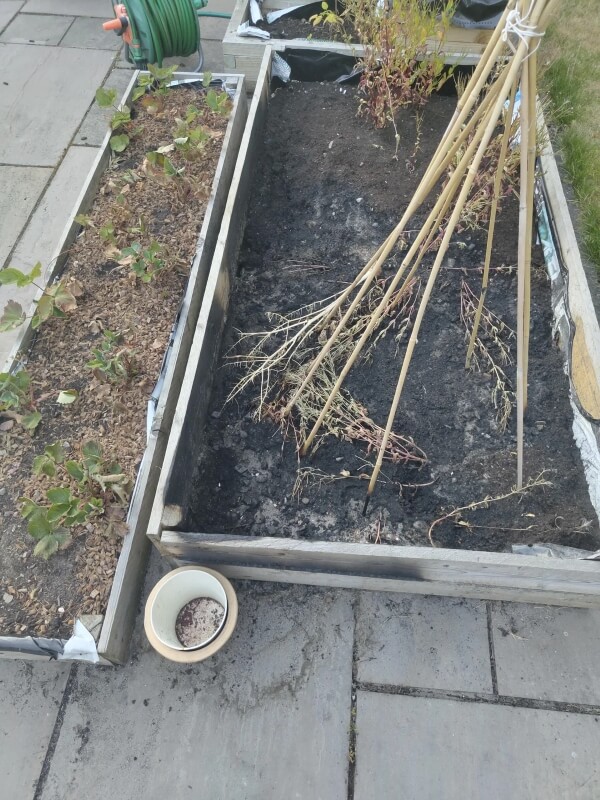
OP shared a photo of the charred garden bed, with parts of their wooden trellis burnt.
Before anyone went in to check, the neighbors had reportedly noticed a burning smell that worsened over about 12 hours. The gardener also said the bed is "slap bang on the middle of the garden so gets lots of sun," and that there was "no mirror or obvious reflective surfaces in sight."
Commenters on the thread began suggesting possible causes.
TCD Picks » Quince Spotlight
💡These best-sellers from Quince deliver affordable, sustainable luxury for all




"I have seen mulch on highway strips smoldering more than once," one commenter wrote. "Maybe treated mulch?"
Another person suggested, "Any chance someone threw a cigarette butt in it? Over a fence or something? There have been a lot of house fires here from people throwing butts in plant pots near the house."
"Could be spontaneous combustion from decomposition of organic matter," another user added. "Check the temp of the soil under the surface."
"Not knowing exactly what's set it off is making me a little anxious on how to prevent it happening again," the original poster wrote.
Why does it matter?
Growing your own fruits, vegetables, and herbs can help households save money on produce, enjoy fresher and often better-tasting food, and get more low-impact physical activity. Many gardeners also say the routine reduces stress and improves mental well-being.
Hot weather can complicate those benefits. Several commenters noted that decomposing organic matter can generate heat, particularly when materials are packed tightly together or retain moisture. One user explained, "Microbial decomposition is metabolic, so it does generate heat."
Even if a raised bed does not fully ignite on its own, heat buildup in compost, mulch, straw, or wood chips could make it easier for a stray ember, cigarette, or firework to trigger a more serious fire.
What can I do?
If you garden in a hot climate, check raised beds, compost, mulch piles, and stored straw or hay during heat waves, especially if they are deep, dense, damp underneath, or recently added.
It can also help to keep compost and mulch from building into large, compacted piles near structures and to turn compost regularly so heat can escape more evenly. If materials ever feel unusually warm or you notice an unexplained smoky or sour smell, that may be a sign to investigate right away.

Get TCD's free newsletters for easy tips, smart advice, and a chance to earn $5,000 toward home upgrades. To see more stories like this one, change your Google preferences here.