


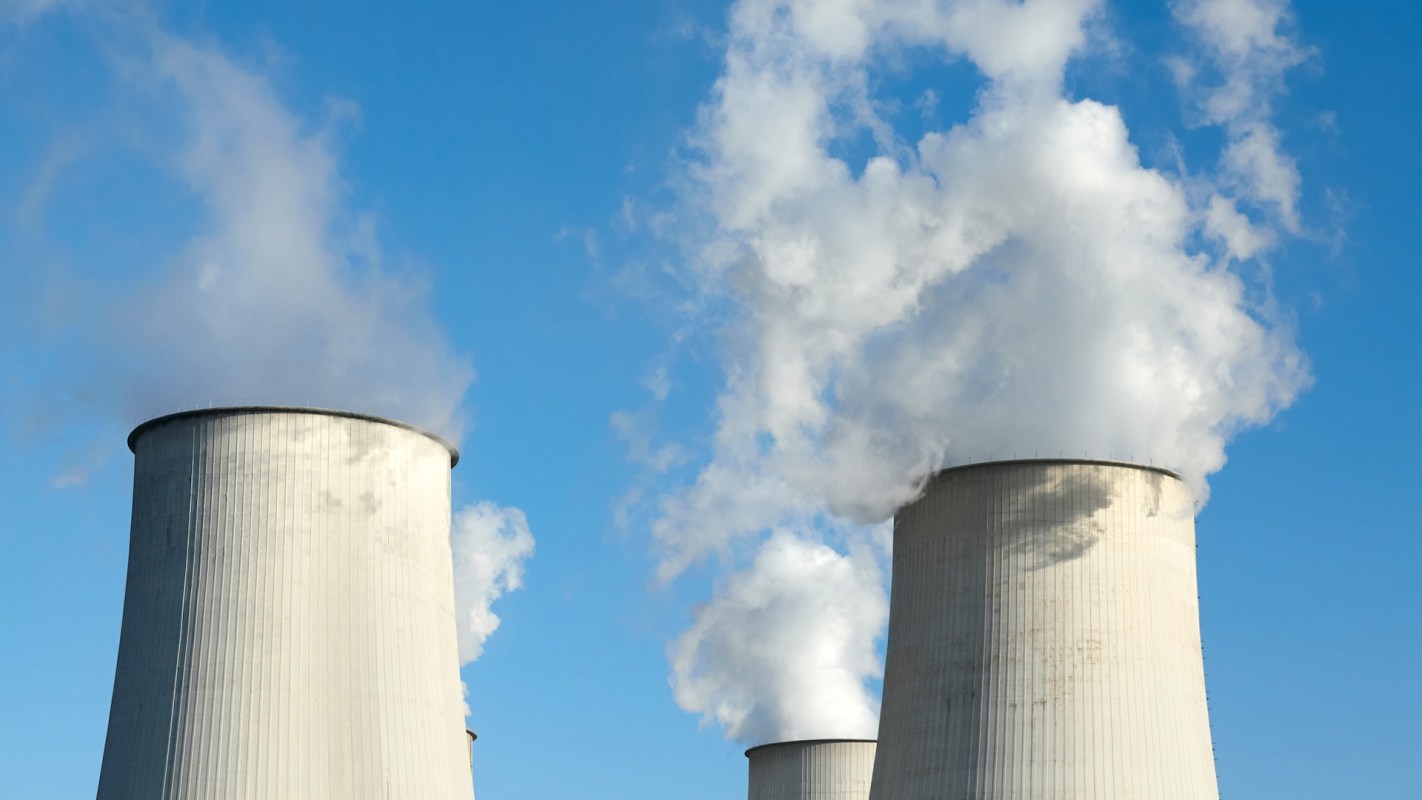
As officials brace for a sharp increase in electricity use over the next decade, New Jersey has started laying the groundwork for at least one more nuclear power plant.
The New Jersey Monitor reports supporters say the effort could expand the state's supply of low-pollution electricity, but opponents warn it may add to utility bills that are already straining many households.
What happened?
On Monday, Gov. Mikie Sherrill signed a bill telling New Jersey's Board of Public Utilities to start gauging developer interest in new nuclear generation, as the publication detailed.
After passing both legislative chambers unanimously last month, the measure set a target of bringing 1,100 megawatts of additional power to the state.
Backers say New Jersey needs another dependable source of electricity because demand is growing faster than the 13-state PJM Interconnection grid can supply, according to New Jersey Monitor. They also point to nuclear energy's ability to run continuously without the planet-warming air pollution linked to coal- and gas-fired power, the outlet said.
The law also establishes a subsidy system for any approved project, as the New Jersey Monitor explained. Once a plant is up and running, other electricity generators would have to buy reliable capacity certificates from it, which critics say could eventually show up on customers' bills.
TCD Picks » Quince Spotlight
💡These best-sellers from Quince deliver affordable, sustainable luxury for all




Why does it matter?
On one hand, nuclear energy can strengthen energy security and provide steady electricity when demand spikes. That can be especially important as data centers and electrification put more pressure on the grid.
On the other hand, nuclear projects are known for high upfront costs, long timelines, waste challenges, and concerns about safety and weapons proliferation.
Critics say those financial risks could affect residents indirectly. Chris Widelo, state director for AARP New Jersey, warned New Jersey Monitor that "the legislation authorizes a process that would place ratepayers on the hook for costs extending up to 40 years, yet there is still no clear estimate of what those costs could be."
New Jersey Rate Counsel Brian Lipman's office has said the subsidy provisions could increase the average customer's monthly electricity bill by $7.80 to $22.43, with potentially even bigger jumps if energy prices fall, per New Jersey Monitor.
What's being done?
Officials backing the measure say it protects customers from some of the biggest cost risks tied to nuclear construction.
"Ratepayers won't pay a dime until the project is built, and they'll never be on the hook for construction cost overruns," Sherrill said, according to New Jersey Monitor.
The nuclear bill arrived alongside a wider state effort to tackle electricity costs. Last week, New Jersey adopted a separate rate-setting system for data centers, reduced utilities' profit margins, and increased oversight of certain utility infrastructure spending.
"This is how we build the future for our kids here in the state," Sherrill said in Trenton, according to New Jersey Monitor.
Still, critics are urging caution, citing top-of-mind concerns about environmental risks and projecting the project's costs and usefulness 40 years in the future.

Get TCD's free newsletters for easy tips, smart advice, and a chance to earn $5,000 toward home upgrades. To see more stories like this one, change your Google preferences here.






