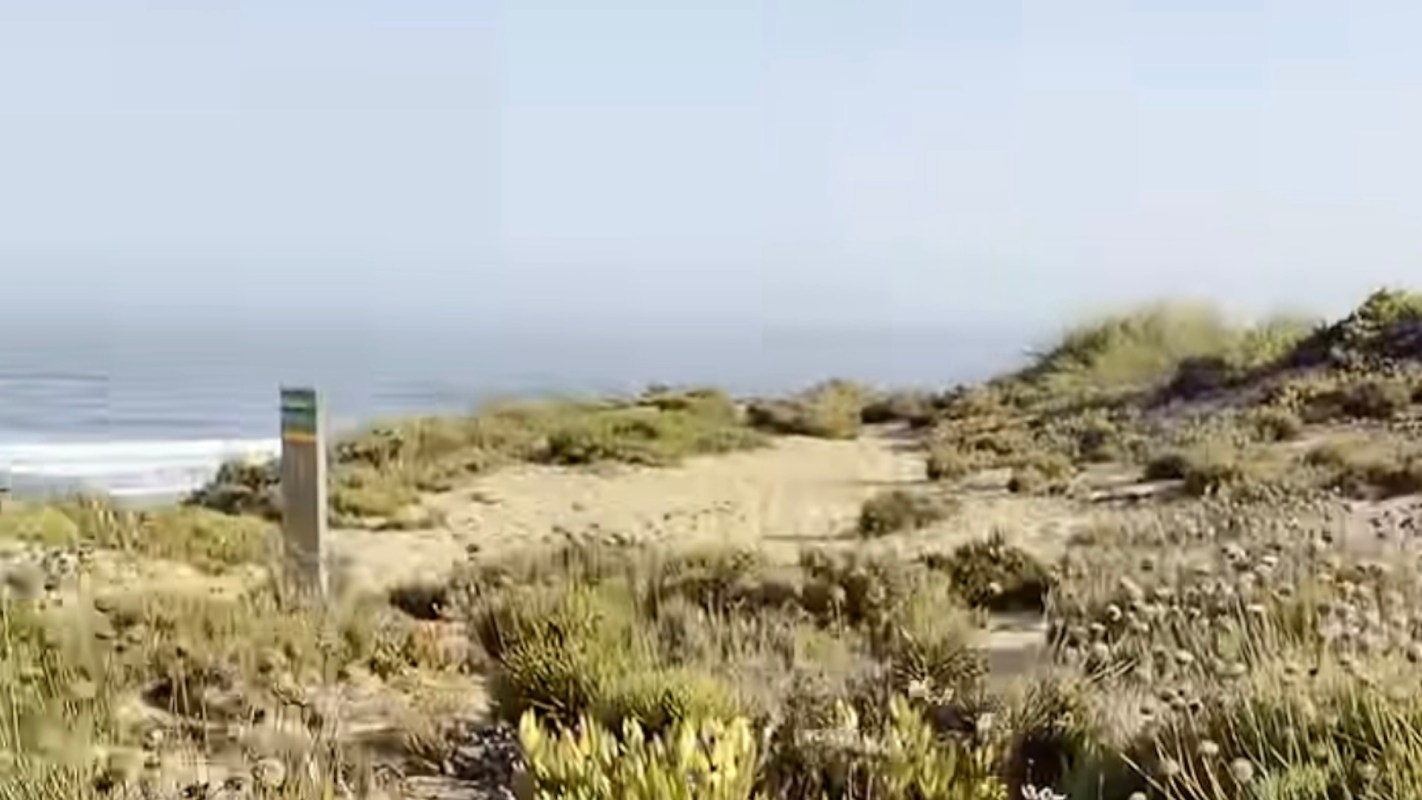
A beach walk this summer could be a chance for you to help protect fragile shoreline habitats, if you know what to look for.
Environmental advocates with Mossy Earth are now urging people to keep an eye out for ice-plants, the highly problematic invasive species originally from South Africa.
What's happening?
Also called sea fig, ice plant is a succulent that spreads aggressively and has become a serious issue in coastal dune habitats, particularly in parts of California.
In sandy coastal areas, this plant species can grow into broad, dense mats that smother the native plants dune systems depend on.
What makes ice plants such a concern is the scale of their spread. In its warning, Mossy Earth explains that, "If left unmanaged [ice plants] can completely replace native vegetation… it reproduces very efficiently."
Mossy Earth's short restoration demo showed viewers how to recognize the plant and explains that it can "cover vast sandy areas," outcompete native vegetation, and put already stressed coastal habitat under even more pressure.
TCD Picks » Quince Spotlight
💡These best-sellers from Quince deliver affordable, sustainable luxury for all




Ice plants typically form sprawling, low-growing mats with fleshy leaves, which can make them look appealing and easy to spot even as they displace native dune plants.
One commenter wrote, "Oh those have taken over the dunes near SF, Monterey, and Pescadero/Santa Cruz (California, US). Always a bit sad to see it."
Another added, "These things were ALL over the beach dunes at San Francisco. I haven't been there in a while, but I'd assume they're still there."
Why does it matter?
Coastal dunes do far more than make beaches scenic.
They help stabilize shorelines, support specialized native plants and animals, and serve as a natural buffer against wind and erosion. When one aggressive species takes over, these systems become less diverse and less resilient.
Dense mats of ice plant can alter dune structure and crowd out the native species that are better adapted to local conditions. Once that happens, restoring the habitat can become more labor-intensive and expensive.

Get TCD's free newsletters for easy tips, smart advice, and a chance to earn $5,000 toward home upgrades. To see more stories like this one, change your Google preferences here.