


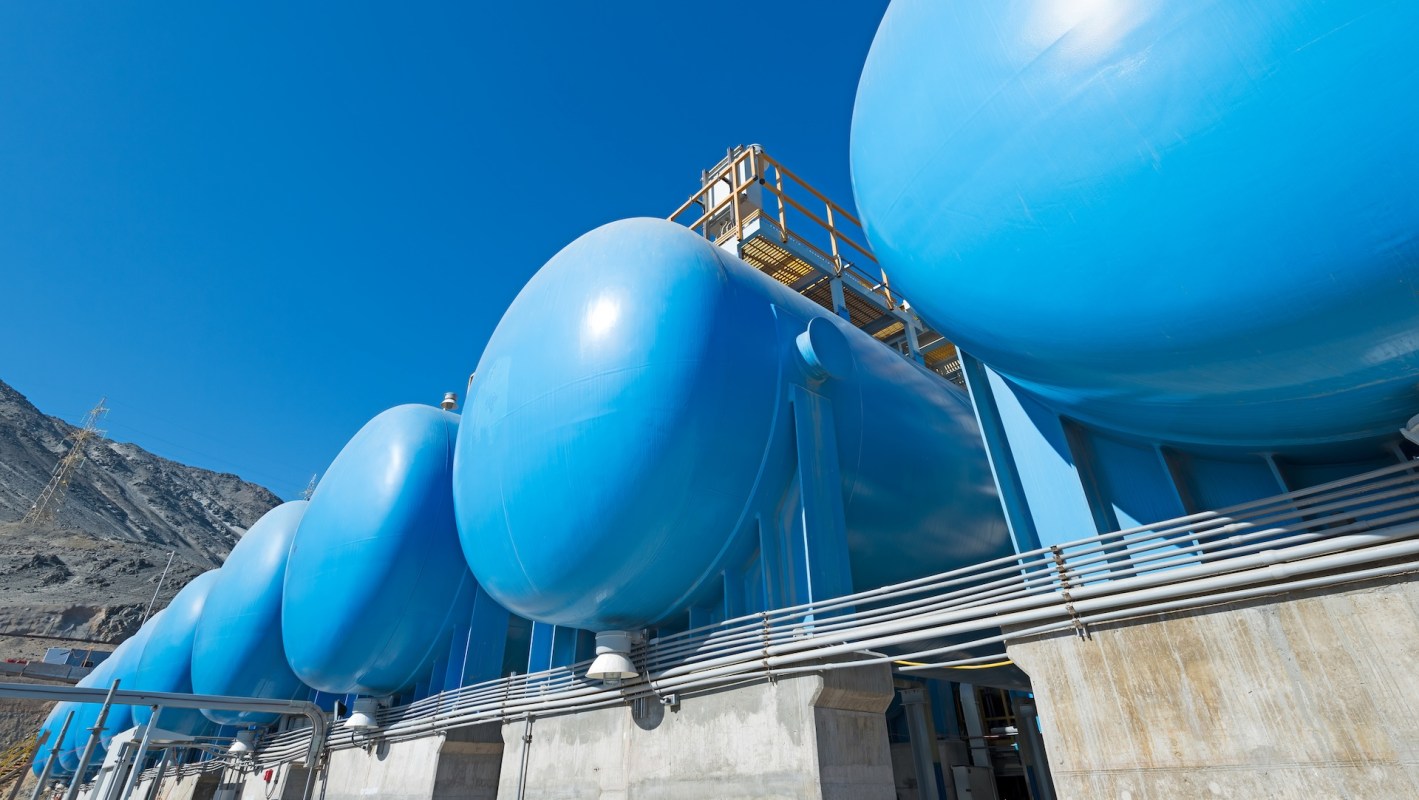
Facing deeper shortages on the Colorado River, Arizona is considering an unusual solution: bringing in desalinated Pacific Ocean water from nearly 300 miles away.
The idea could soften some of the looming water cuts, but it would come at a steep price — costing dramatically more than the Colorado River water many communities have relied on for years.
What happened?
A June 3 framework among water officials from Arizona, California, Nevada, and the Bureau of Reclamation may pave the way for an interstate exchange unlike anything tried before, The Glendale Star reported.
The concept would have Arizona cover the cost of desalinated water from the Claude "Bud" Lewis Carlsbad Desalination Plant that the San Diego County Water Authority is already obligated to buy but does not fully need. In exchange, California would transfer some of its Colorado River entitlement to Arizona.
For San Diego County Water Authority General Manager Dan Denham, the novelty of the concept is plain: "It's never been done."
The push comes as Colorado River negotiations remain deadlocked, and a federal draft plan for dividing the shrinking water supply could cut Arizona's share by as much as 77%.
TCD Picks » Quince Spotlight
💡These best-sellers from Quince deliver affordable, sustainable luxury for all




Arizona Department of Water Resources Director Tom Buschatzke said desalination "is going to become one of the solutions," despite the much higher cost. "It will be more expensive than the water that has been delivered from the Colorado River in the past. There's no doubt that it will," he added.
Why does it matter?
The Glendale Star reported that operating the Carlsbad plant costs the San Diego County Water Authority about $3,500 per acre-foot, compared with roughly $365 per acre-foot for Arizona water delivered through the Central Arizona Project.
San Diego's desalination efforts have even created a surplus supply that could help drought-stricken states such as Arizona and Nevada secure a reliable drinking water source.
Higher water costs can reach far beyond utility bills. More expensive supplies can shape housing and growth decisions, strain local government planning, and add pressure as communities prepare for a hotter, drier future.
Buschatzke said prices at that level could leave agriculture and other industries with thin margins unable to rely on desalinated water without subsidies.
If the region increasingly turns to energy-intensive desalination to make up for declining river flows, building a more affordable and secure water future becomes that much harder.
Kyl Center for Water Policy Director Sarah Porter of Arizona State University questioned how easily the deal could come together, saying, "It's a huge hurdle to get Met and the other cities to agree to let San Diego County Water Authority do this deal when potentially that water could benefit them."
What's being done?
At this stage, nothing has been finalized beyond the framework itself.
Key details — including price, water volume, and timing — still have to be negotiated. Any completed agreement would also need approval from the Metropolitan Water District of Southern California, the Bureau of Reclamation, and the Central Arizona Project.
Denham told The Glendale Star that interstate transfers of around 10,000 acre-feet could be possible within six months to a year.
The Glendale Star also reported that the total could climb to about 100,000 acre-feet if San Diego's recycling and reuse projects are included in the arrangement.
Desalination is only one tool, and likely not the cheapest one. Water reuse, recycling, and local conservation may still offer more practical ways to reduce pressure on the Colorado River.
Those strategies could help communities avoid becoming more dependent on expensive emergency fixes.
While desalination is unlikely to replace the Colorado River entirely, some believe it could be a key part in a broader water supply strategy. "It's something we all agree on. It's something we ought to do," said Leslie Meyers, Salt River Project's associate general manager and chief water resources executive.

Get TCD's free newsletters for easy tips, smart advice, and a chance to earn $5,000 toward home upgrades. To see more stories like this one, change your Google preferences here.






