


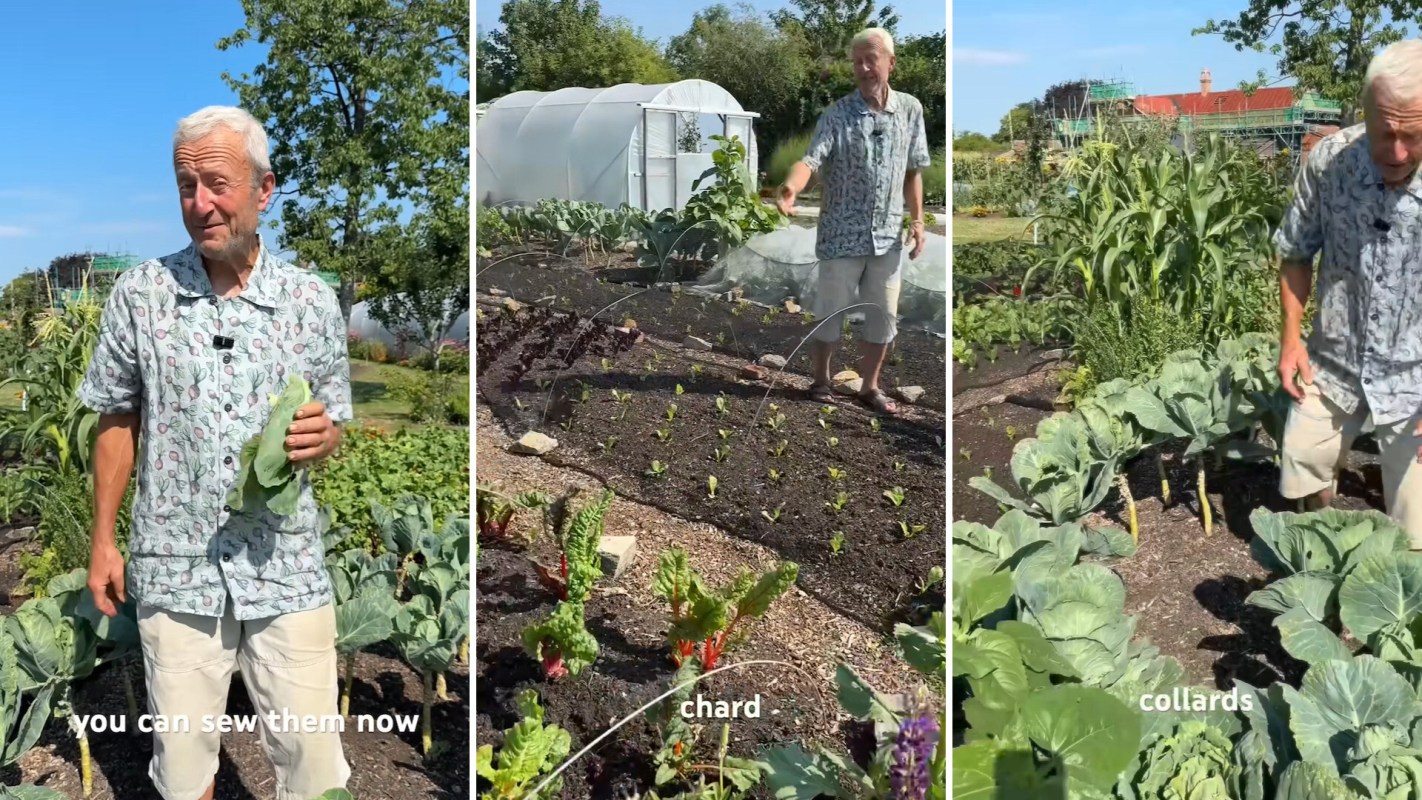
By midsummer, a lot of gardeners start treating their vegetable beds as if the main planting window has passed. Gardening educator Charles Dowding says that it is too soon.
According to Dowding, sowing another batch of crops in July can extend harvests into fall and sometimes winter while helping households to get more food from the same garden space and spend less at the store.
What's happening?
Charles Dowding (@CharlesDowding1nodig) posted a YouTube video from the Homeacres no-dig garden focused on one main takeaway: July still offers plenty of planting opportunities.
"Many sowings are still possible in the second half of summer, and here are some ideas for July," Dowding said in the caption. "In this no dig garden, I show sowings of chard, lettuce, endive, chicory, radicchio, cabbage, beetroot and collards, all helping to keep your garden full and productive."
One commenter wrote, "We've learned so much from you Charles. Thank you. Plan ahead, have backups, don't be afraid to push the limits. Overwintering can be a surprise bonus and blessing."
Why does it matter?
Garden beds often get left unplanted after early summer because growers think the sowing window has already closed.
TCD Picks » Quince Spotlight
💡These best-sellers from Quince deliver affordable, sustainable luxury for all




Dowding's list is a reminder that several greens and root vegetables can still be started in time for harvests later in the year, especially with cooler weather in mind.
Leafy greens, chicories, and root vegetables can be expensive at the grocery store, and homegrown produce is often fresher and more flavorful because it can be picked right before eating rather than shipped and shelved.
Gardening can support mental health by reducing stress and giving people a reason to spend time outdoors, while digging, sowing, watering, and harvesting also add gentle physical activity to daily routines.
Keeping soil disturbance low can help preserve soil structure and moisture, while keeping beds full gives weeds fewer chances to take over.
What can I do?
If you want to keep your garden productive later in the year, July is a good time to think about succession planting — starting a new round of crops as soon as earlier ones finish.
Fast-growing greens and sturdy cool-season vegetables can be especially useful for this approach.
Gardeners who do not yet have open bed space can start seeds in trays, pots, or modules and move them later. In hotter climates, temporary shade and steady watering may also be needed to help young plants through late-summer heat.
For growers interested in stretching harvests while cutting grocery bills, simple strategies such as compost mulching, close observation, and choosing crops suited to your climate can make a big difference.
Even a modest round of July sowing can translate into salads, cooking greens, and root crops after the peak of summer has passed.

Get TCD's free newsletters for easy tips, smart advice, and a chance to earn $5,000 toward home upgrades. To see more stories like this one, change your Google preferences here.






