


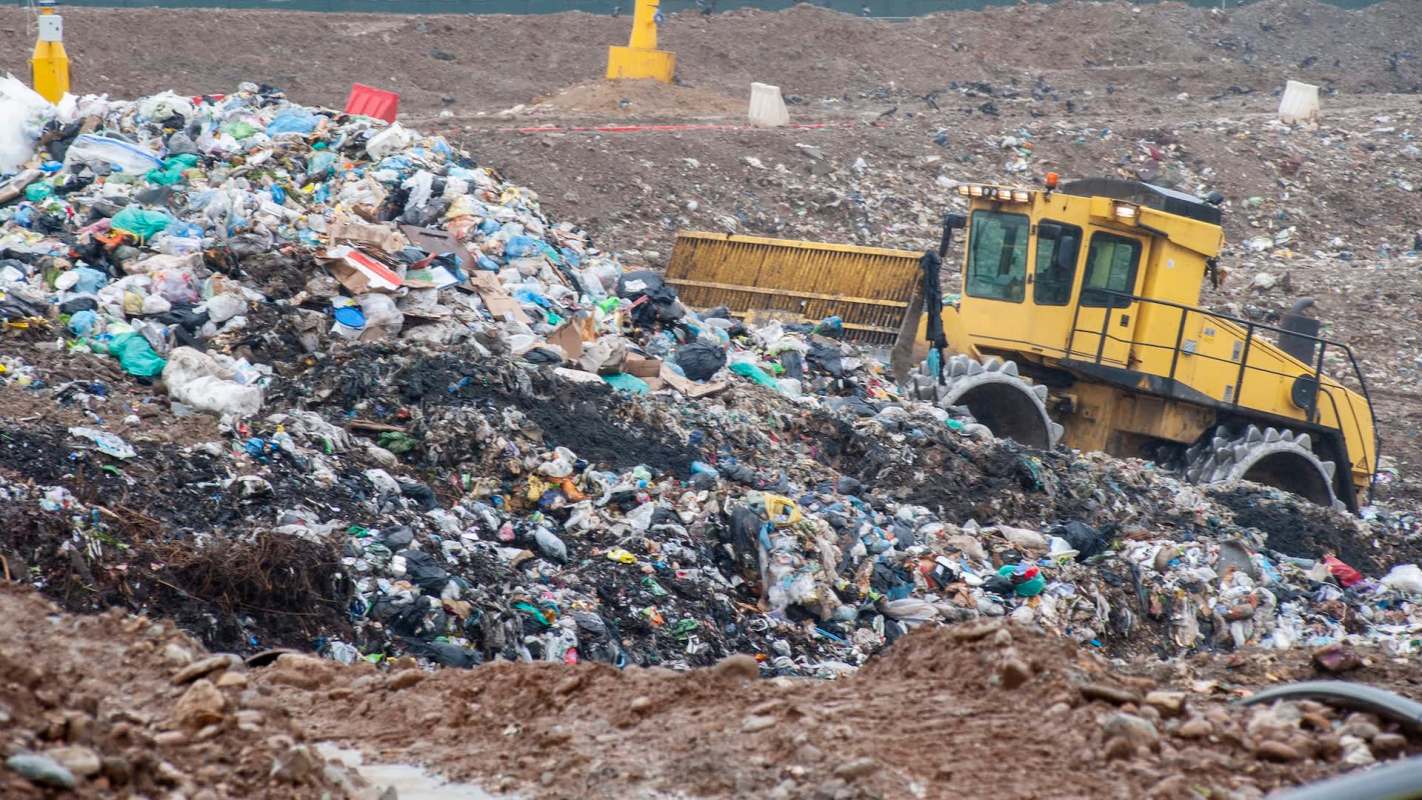
As Republic Services pushes to expand Coffin Butte Landfill in Oregon, the company is not telling local officials where the site's toxic "garbage juice" is being sent.
That lack of transparency is raising fresh concerns for nearby residents, who could be affected by air pollution, fire risks, and future waste-management decisions.
What happened?
In May, Benton County formally submitted 13 questions about Coffin Butte's operations, but Republic Services, the Phoenix-based owner of the landfill, answered only a small share of them, according to the Statesman Journal.
Earlier this year, Benton County commissioners rejected Republic's request to expand the 178-acre landfill after the Oregon Department of Environmental Quality issued a $3 million penalty for 10 serious air-quality violations.
The site receives nearly one-third of Oregon's waste, including all of Polk County's trash and most of Marion County's, and Republic has appealed both the fine and the expansion denial, the Statesman Journal reported.
County officials asked where landfill leachate — the contaminated liquid that drains through waste — is being treated, how often fires occur, and how much usable capacity remains at the site. Republic declined to share much of that information, saying those topics are outside what its franchise agreement requires in the annual report.
TCD Picks » Quince Spotlight
💡These best-sellers from Quince deliver affordable, sustainable luxury for all




In a June 8 letter, Coffin Butte general manager Bret Davis wrote, "Over the years, the annual report has significantly expanded in scope beyond the environmental conditions of the landfill and beyond any agreement by the parties on other issues."
Why does it matter?
Poorly managed landfills can release methane, a potent heat-trapping gas, along with foul odors and harmful air pollution. Leachate can also become a major public health concern if it is not properly stored, transported, and treated.
The county's questions followed findings from state regulators that Coffin Butte's gas collection system was undersized, required methane leak monitoring was not being done properly, and the landfill too often lacked a working flare to burn off gas.
Those problems can affect local air quality, emergency response needs, and public trust. When companies promote simplified reporting while withholding key details, it can also become harder to distinguish genuine environmental stewardship from polished messaging.
What's being done?
County officials are still pressing for fuller answers. Benton County's solid waste coordinator identified what appeared to be errors in the landfill's 2024 report and asked for information that had been provided in prior years.
The landfill's report listed both 10 years and 12.9 years of remaining capacity on the same page. It initially reported the exact same annual tonnage for 2024 as for 2023, then corrected the 2024 figure to 1,042,113 tons and called the earlier number a typo.
According to the Statesman Journal, Republic's appeal of the DEQ enforcement action is still pending, while its effort to revive the expansion proposal continues through Oregon's land-use appeals process.

Get TCD's free newsletters for easy tips, smart advice, and a chance to earn $5,000 toward home upgrades. To see more stories like this one, change your Google preferences here.






