


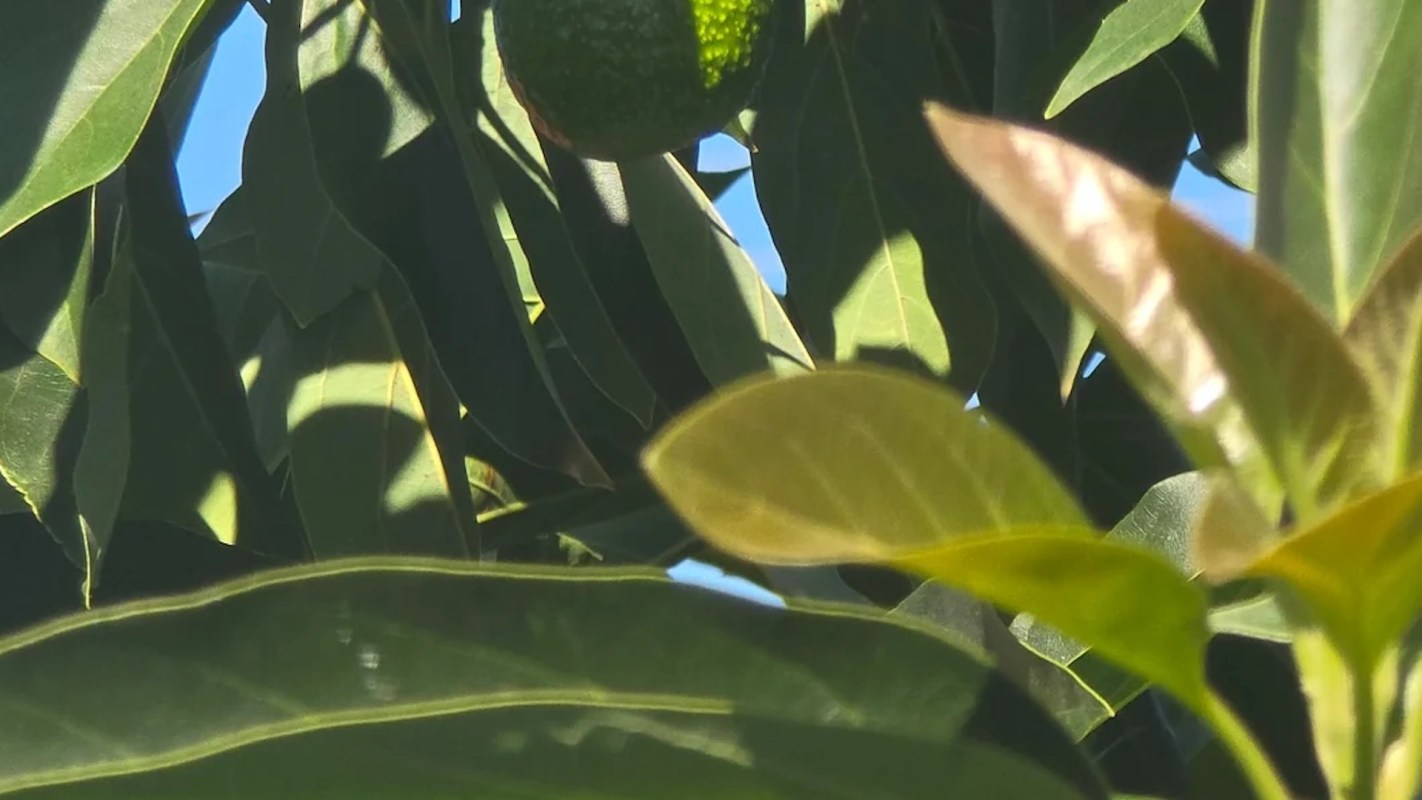
A gardener thought they were finally about to harvest pears from a long-neglected backyard tree. Instead, the first fruit was much different than what they expected.
The saga highlighted how mislabeled plants can throw growers for a loop in amusing, if not potentially costly, fashion.
What happened?
The confusion surfaced when a Redditor shared a photo of the mystery fruit.
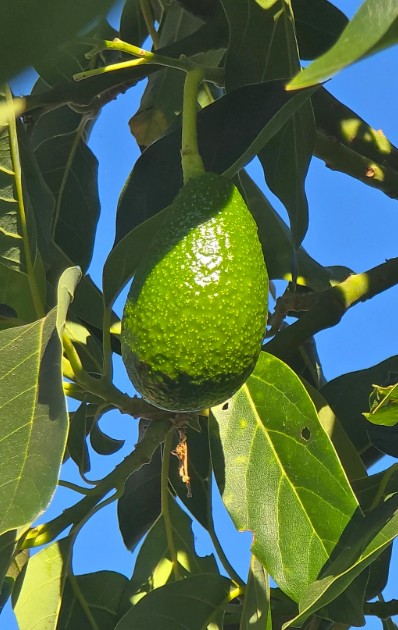
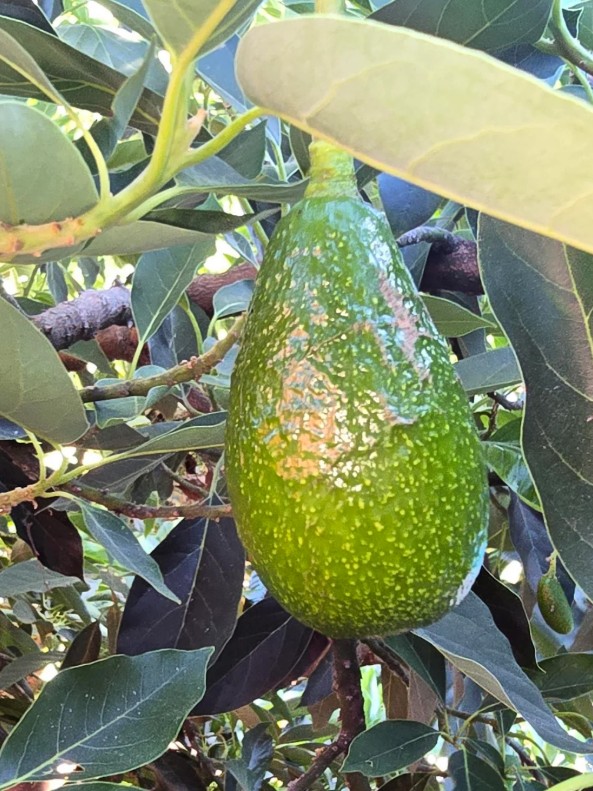
"The label at the store said it was a pear but now I'm not sure," the commenter reacted. "Is this some kind of different type of pear I didn't know about?"
According to the original poster, the tree had been purchased from Home Depot years earlier and did not really take off until a watering system was added. When it finally fruited, the shape looked nothing like a standard pear.
Commenters were nearly unanimous in their assessment.
TCD Picks » Quince Spotlight
💡These best-sellers from Quince deliver affordable, sustainable luxury for all




"I'm not an expert, but your pear looks like an avocado," the top-voted response declared.
Another added even more directly: "I am [an] expert and this is avocado."
The discussion expanded into complaints about mystery plants and mislabeled tags at big-box garden centers.
A few commenters also noted that the mix-up may have been due to the fact that, in some places like Jamaica, avocados are sometimes informally called "pear," "avocado pear," or "alligator pear."
Why does it matter?
Fruit trees can take years to mature, and they often require specific pruning, watering, feeding, and climate conditions. Someone expecting pears may be planning for a very different harvest, care routine, and level of cold tolerance than someone actually growing avocados.
Buying the wrong plant can mean wasted water, lost yard space, and disappointment after years of maintenance, especially for homeowners trying to cut outdoor costs and make their yards easier to manage.
While this seemed to be more of an amusing mix-up, it would be much more wasteful and frustrating if the mislabeling led the tree to fail.
Plants suited to local conditions can help avoid those problems. Native-plant lawns can save money and time on maintenance while lowering water bills, and low-maintenance options such as clover, buffalo grass, and xeriscaping can reduce the need for mowing, fertilizer, and heavy irrigation. Even a partial lawn replacement can deliver those benefits.
What can I do?
If you're buying trees or shrubs, it helps to verify the label before planting.
Check the scientific name, compare leaves and fruit with reputable nursery or extension resources, and keep your receipt and plant tag in case something seems off later. Local nurseries and cooperative extension offices can also be good sources when you want region-specific advice.

Get TCD's free newsletters for easy tips, smart advice, and a chance to earn $5,000 toward home upgrades. To see more stories like this one, change your Google preferences here.






