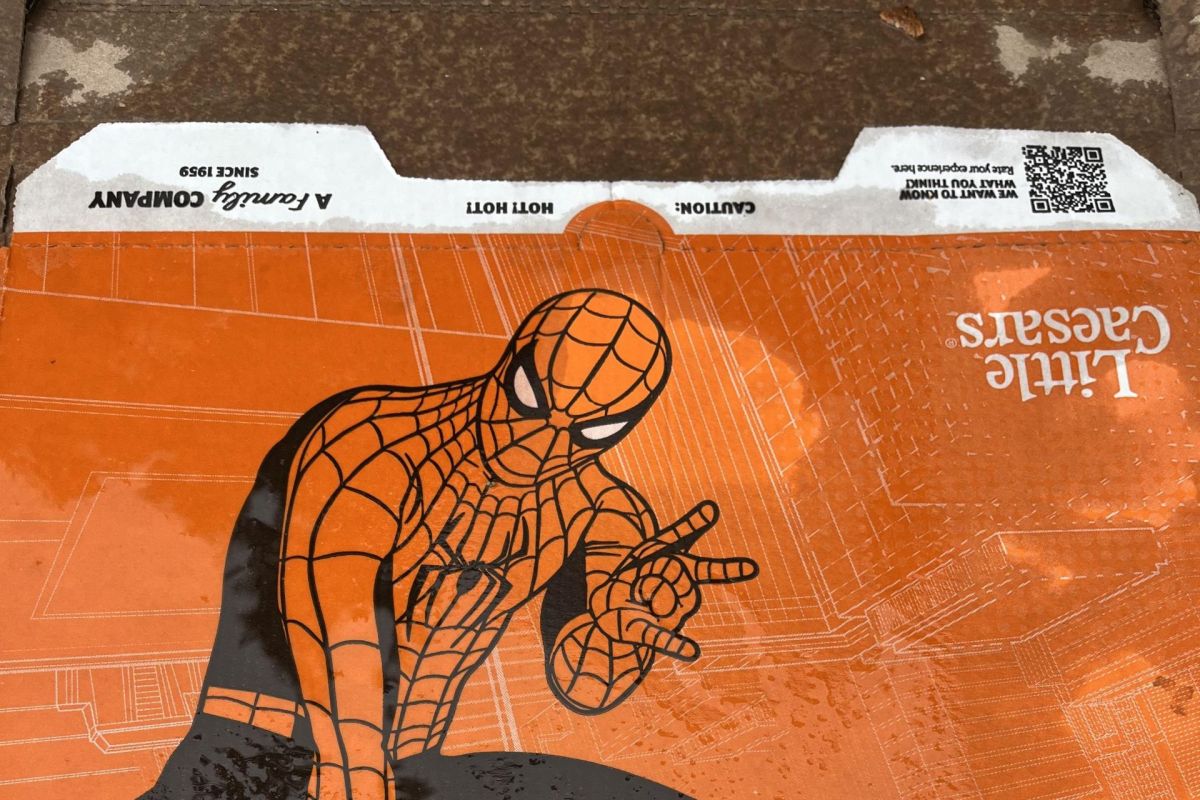
Since pizza boxes are made of cardboard, it seems pretty reasonable that you could compost them. However, when a company adds fancy artwork, such as Spider-Man, to its box, it doesn't seem quite as clear.
What happened?
A Reddit user posted a Little Caesars box in the r/composting subreddit and asked, "Is the covering over a Little Caesars' pizza box compostable?"
They were most concerned about the red dye used in the artwork.
The discussion on Reddit spanned several concerns, including what might be in the ink, whether pigments could introduce metals, and whether packaging approved for food contact should automatically be treated as compost-safe.
There was no universal agreement.
One commenter said, "Compostable? Likely yes. What's in the ink? Unknown," while another offered a more practical rule of thumb: "If it's slick and shiny - no. Anything else - yes."
TCD Picks » Quince Spotlight
💡These best-sellers from Quince deliver affordable, sustainable luxury for all




Others focused less on printing and more on grease contamination. As one commenter put it, "Ideally, there are no oil stains on the pizza box."
Why does it matter?
For people sorting kitchen waste, takeout paper products like pizza boxes and their liners are a routine source of second-guessing.
Getting it right can mean sending less trash to a landfill and putting more material to work in a compost pile.
There is also a financial benefit. If plain paper and cardboard products can safely go into compost, they can help create a richer mix without requiring people to buy as much brown material or bagged soil amendment later.
Households that garden can use those scraps to cut spending on store-bought compost and fertilizers.
The sticking point is that paper is not always just paper.
The challenge is that packaging that looks paper-based may still include treatments that change the answer. Glossy or waxy surfaces, protective coatings, heavy grease, and certain inks can all raise doubts, especially when the item carries no clear composting instructions.
What can I do?
If you are dealing with a pizza box liner and cannot find manufacturer guidance, the safest move is to inspect it closely before tossing it into your pile.
If it feels like plain paper rather than plastic-coated, many home composters are comfortable shredding it and adding it in small amounts.
If it is slick, shiny, heavily dyed, or stained with lots of oil and cheese residue, caution may be the better choice.
Materials that break down poorly can slow your pile, and questionable coatings may not be worth the risk if you are using compost around vegetables or other edible plants.
A practical compromise is to compost the clearly plain cardboard portions and leave out anything that seems coated or unusually treated.
Shredding helps speed decomposition, and keeping questionable packaging out of the pile can save time and frustration later.
A "when in doubt, leave it out" approach can make composting easier to stick with while still reducing household waste and adding free, nutrient-rich material to the garden.
Additionally, one commentator joked, "The box, yes. The pizza, no."

Get TCD's free newsletters for easy tips, smart advice, and a chance to earn $5,000 toward home upgrades. To see more stories like this one, change your Google preferences here.